
SESC
SCHOOL
RIO DE JANEIRO - RJ, BRAZIL
Project specifications
Site area - 131.000m²
Building area - 29.000m²
Project beginning - 2004
Construction completion - 2007
Building area - 29.000m²
Project beginning - 2004
Construction completion - 2007
Team
Authors - Fernando Forte, Lourenço Gimenes, Rodrigo Marcondes Ferraz, Luis Índio da Costa
Contributors - André Barreto, Anna Rita Figueira, Christian Smith, Joyce Camilo, Lígia Cury, Maria Teresa Mesquita, Mariana Caillaux, Mauricio Duarte e Rodrigo Carneiro
Photographer - Pedro Kok
Landscape designer - CAP
.
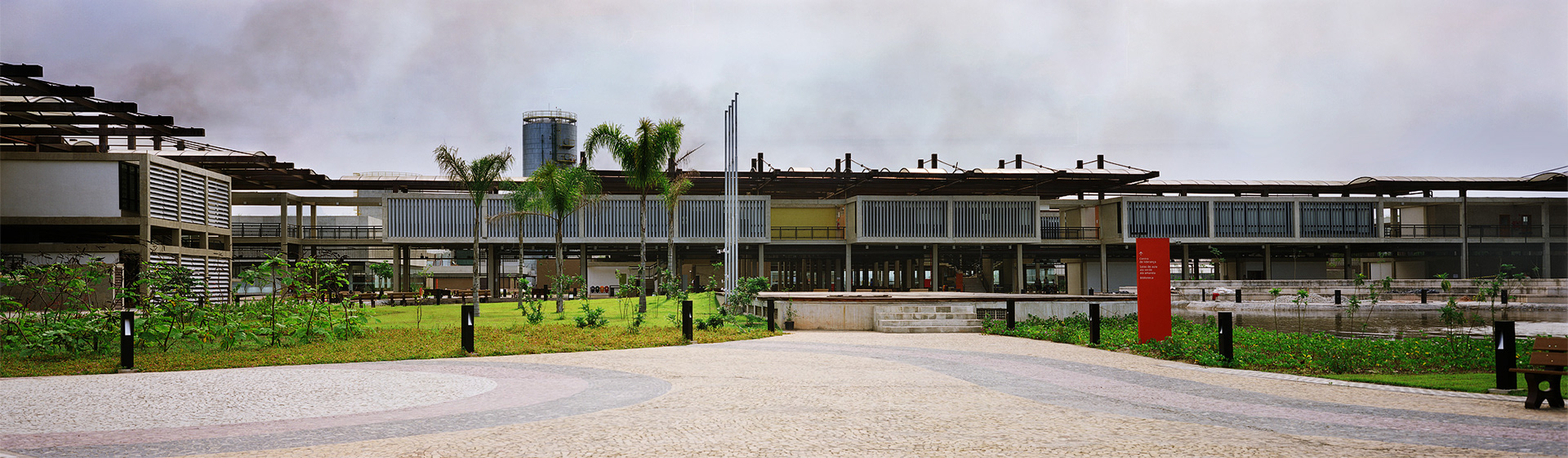
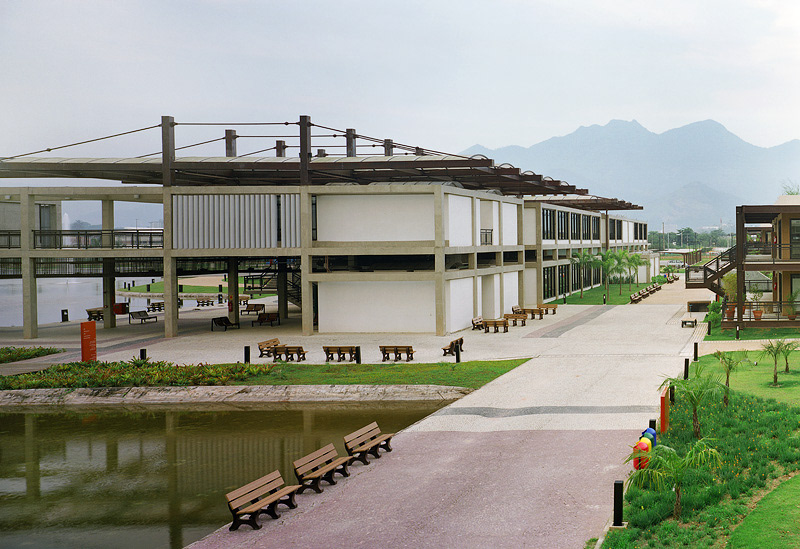
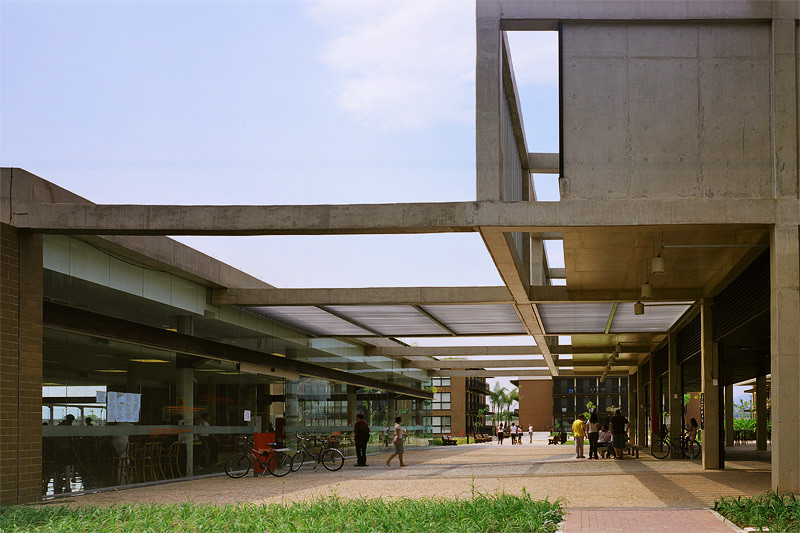
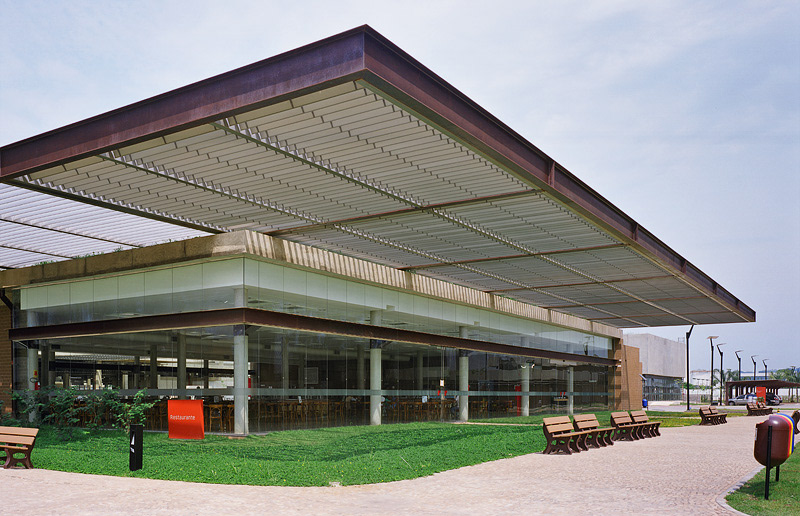
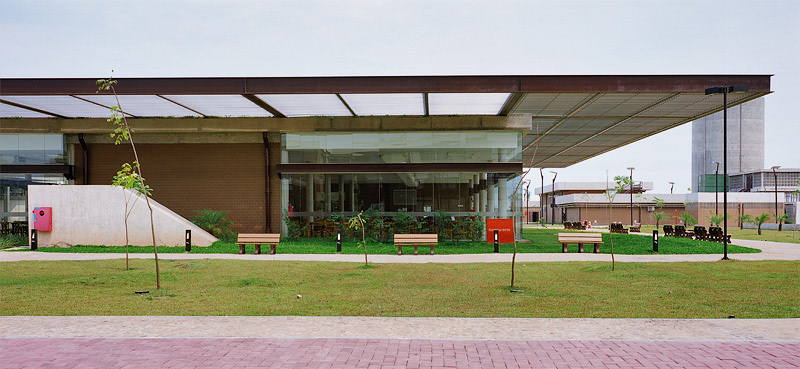
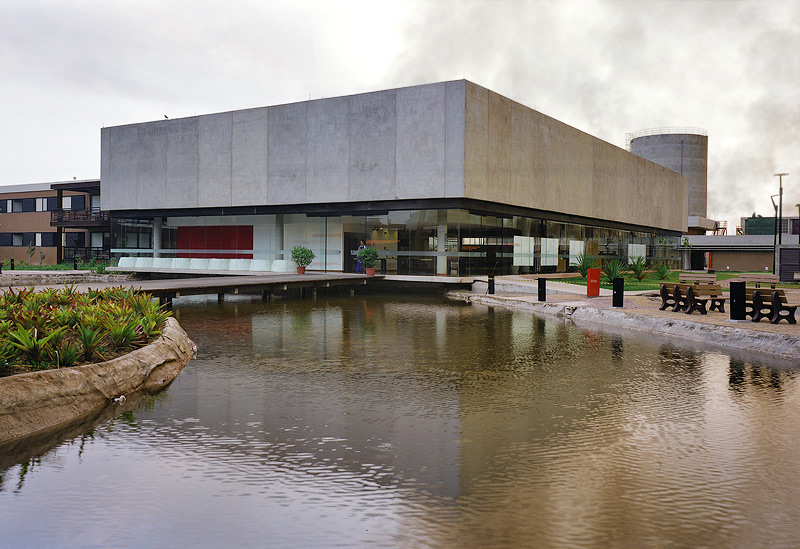
The SESC Escola da Barra, which won first place in a closed competition between architectural firms in Rio de Janeiro and São Paulo, is the result of a collaboration between the firms Indio da Costa AUT and Forte, Gimenes & Marcondes Ferraz Arquitetos (FGMF). Following the joint development of the masterplan, the firms divided the building design, with FGMF being responsible for developing the central library, the gymnasium, the sports area, and the cafeteria.
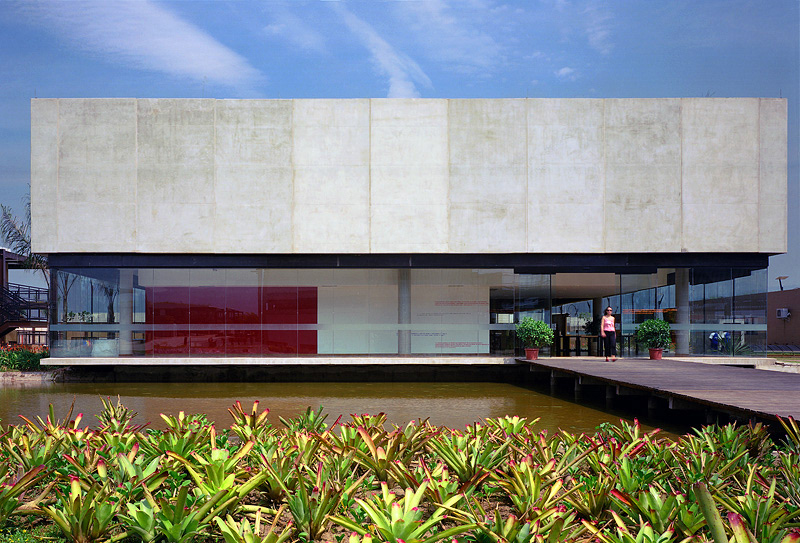
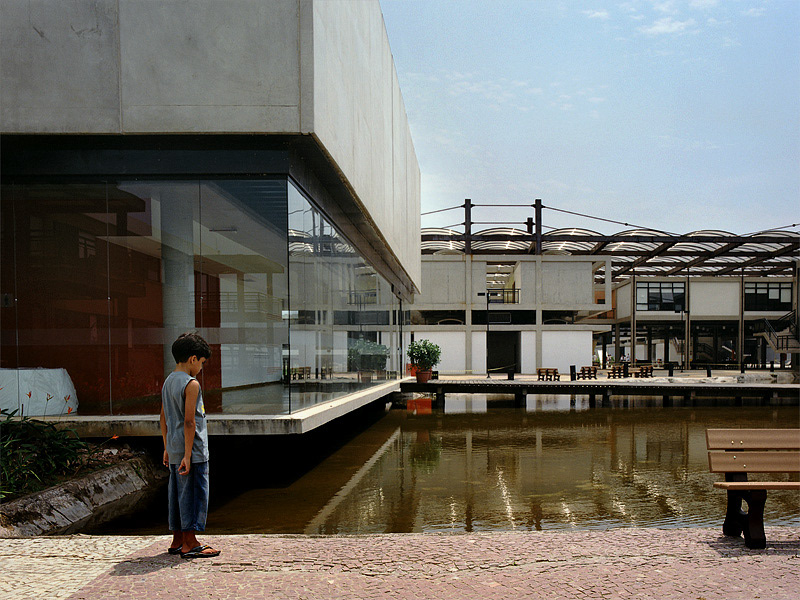
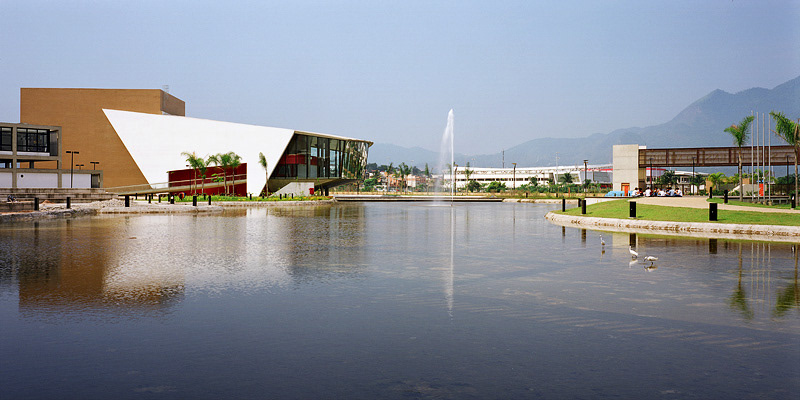
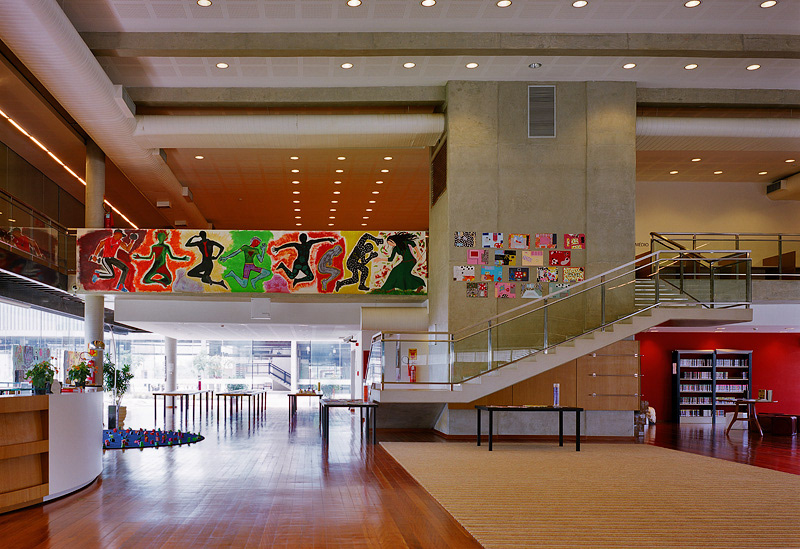
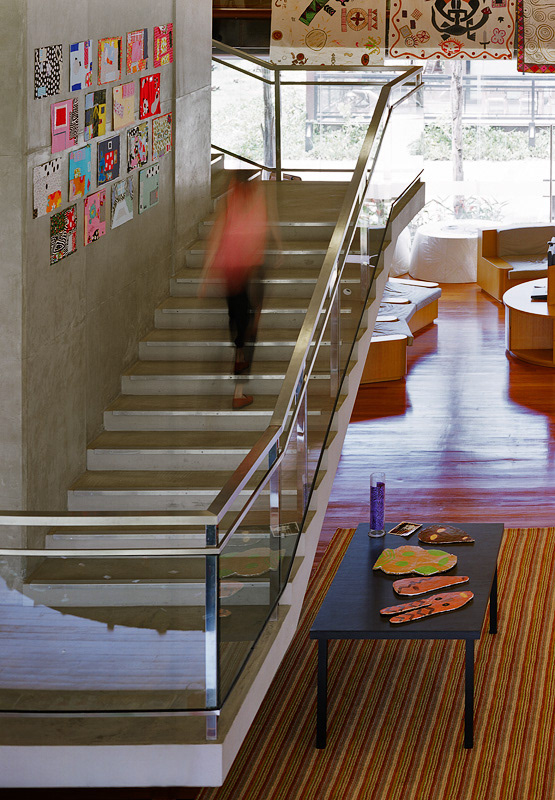
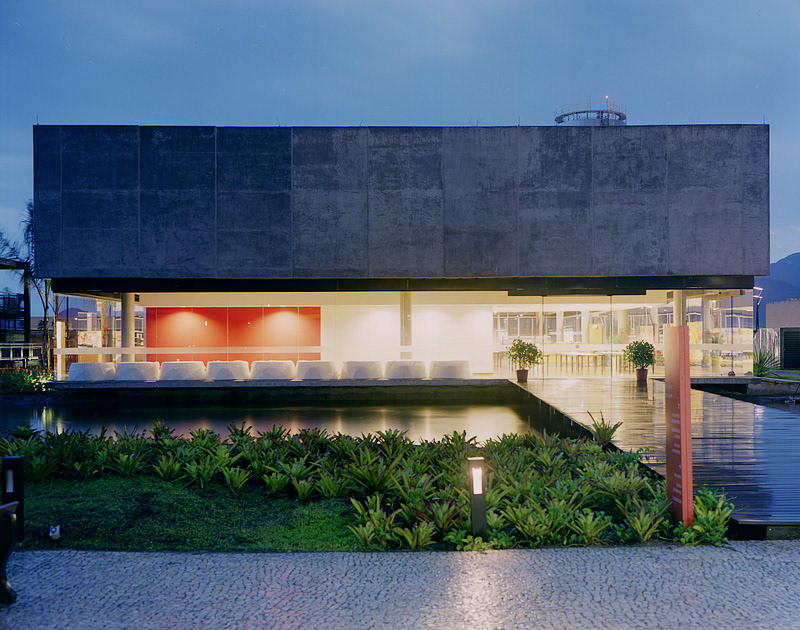
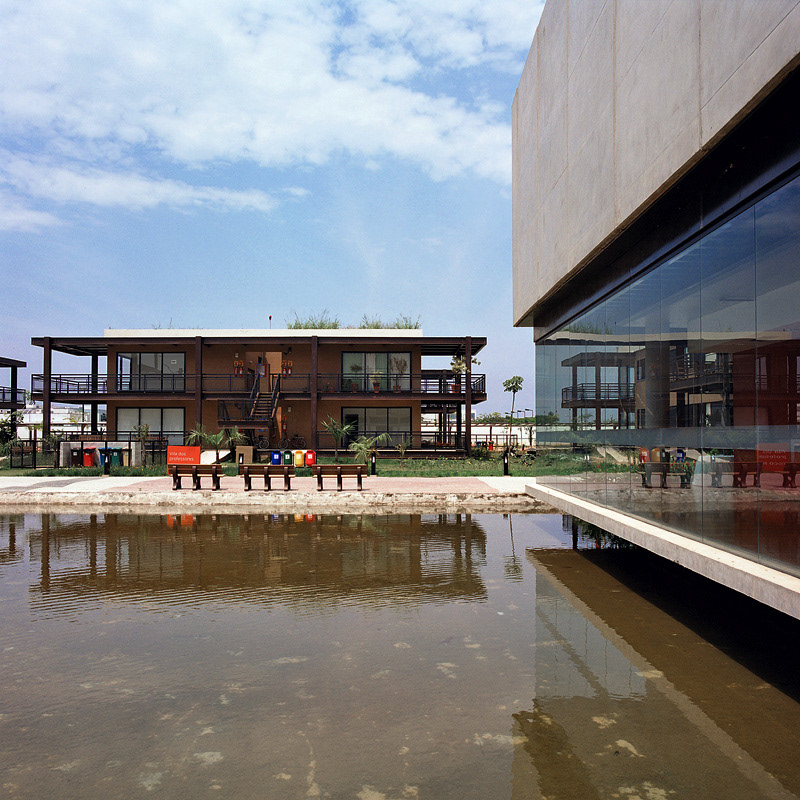
The library, located next to the complex's central reflecting pool, clearly references São Paulo's modern architecture, especially the works of Vilanova Artigas and Paulo Mendes da Rocha. Organized around a large entry atrium, its main structure is formed by a concrete beam with a ceiling height equivalent to one floor, which simultaneously houses the collection, forms a circulation walkway, and defines the upper enclosure of the building. Beneath this massive volume, the fully glazed enclosure creates a contrast between weight and lightness, inviting visitors into the space. Access is via a walkway over the reflecting pool, symbolically reinforcing the transition to an environment dedicated to study and contemplation.
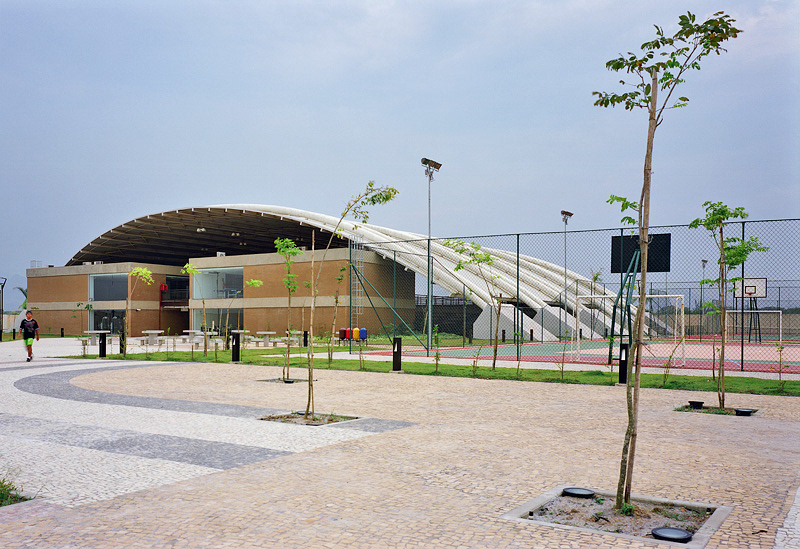
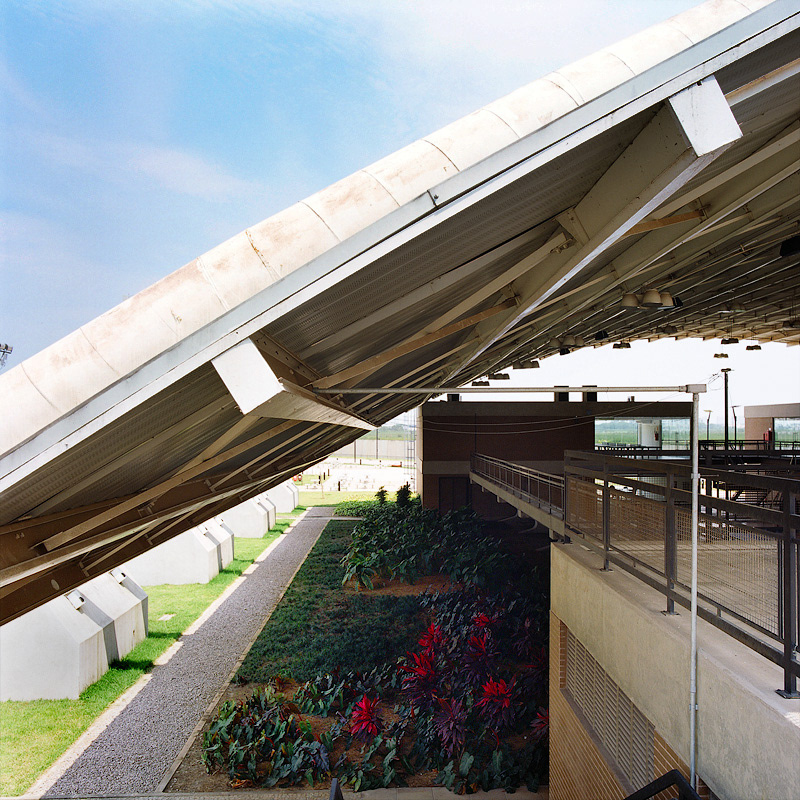
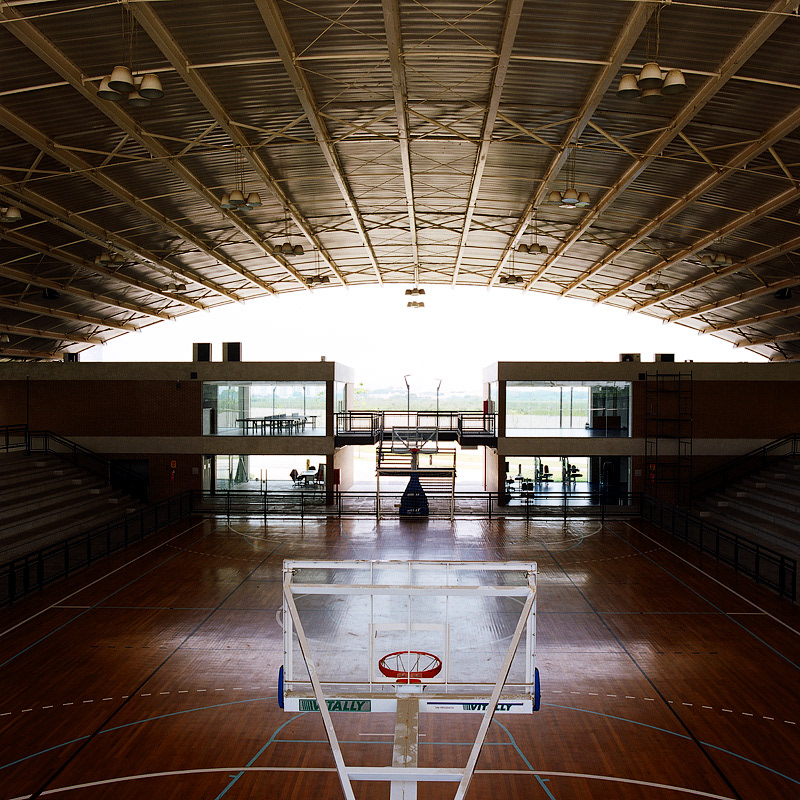
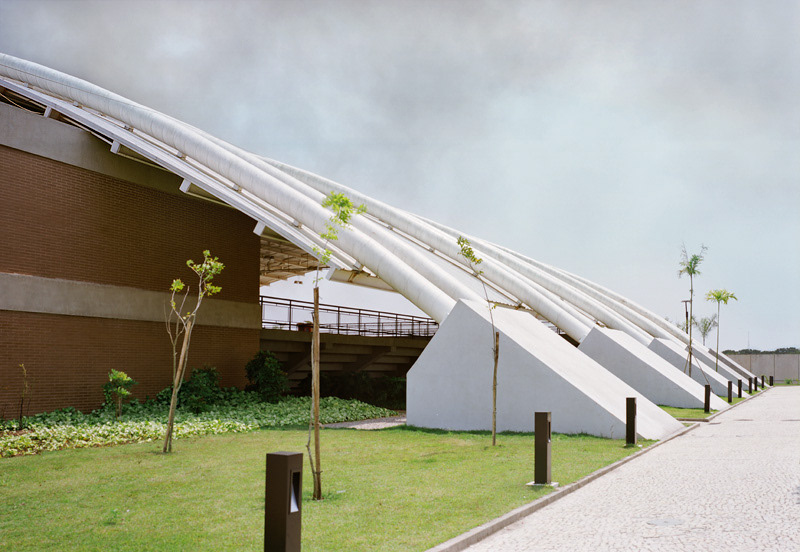
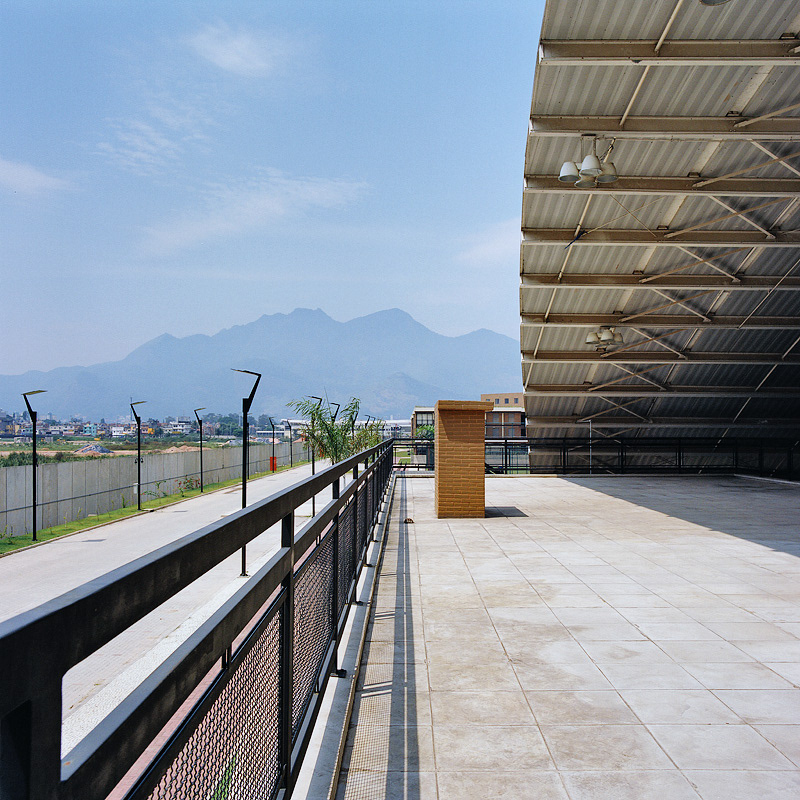
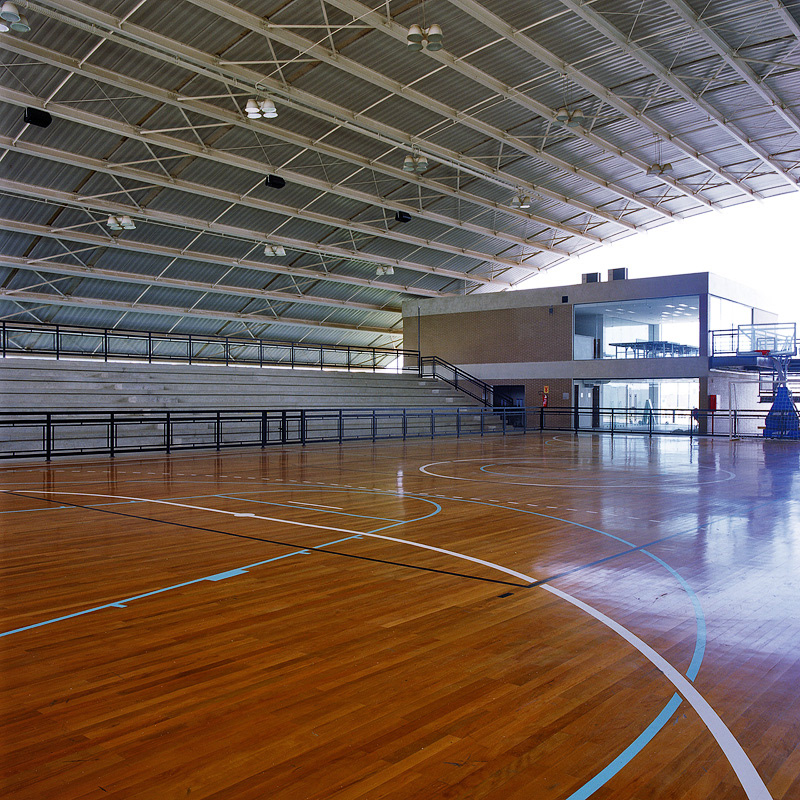
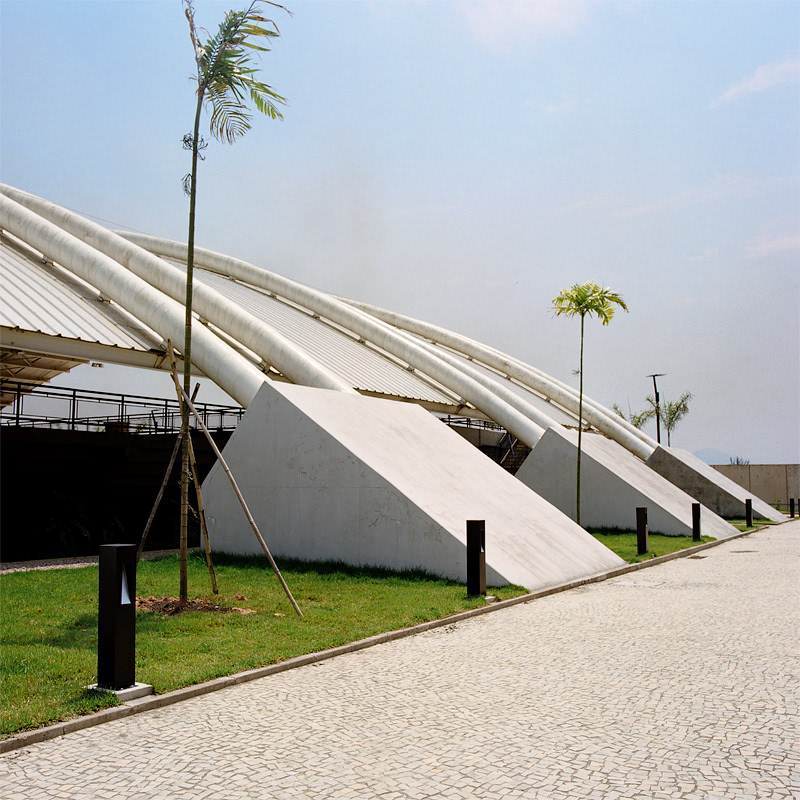
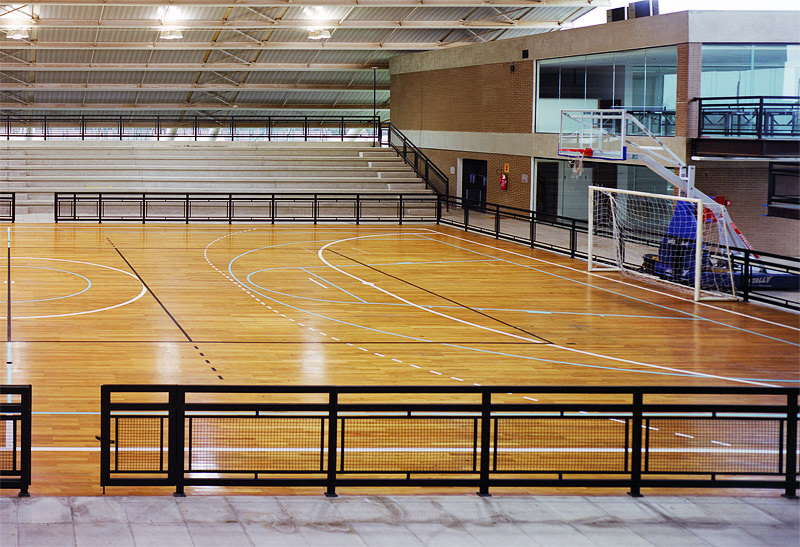
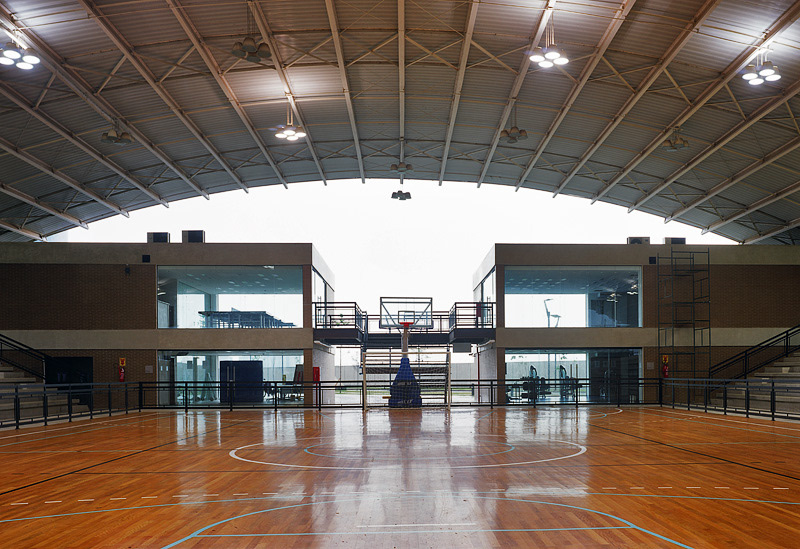
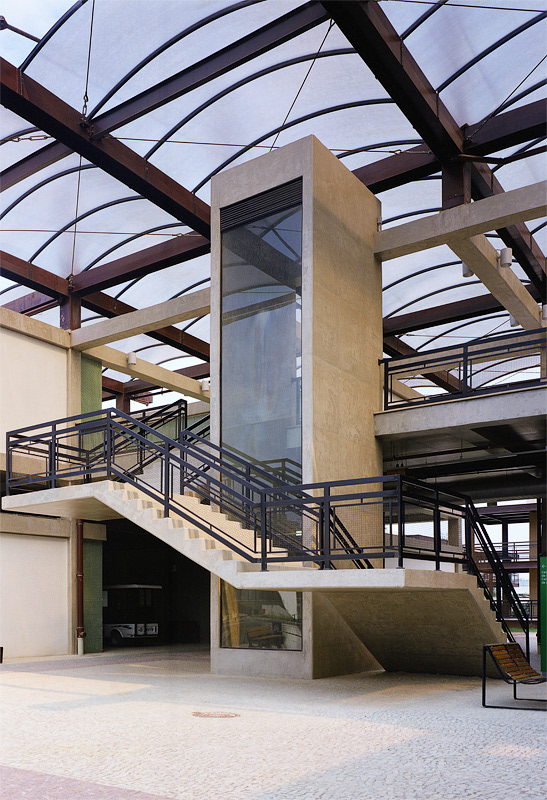
The gymnasium was conceived as a large covered square, integrated into the SESC's sports and leisure areas. Its architecture is based on the separation between two independent elements: a concrete base, which houses the court, bleachers, and support facilities, and a wide metal roof that appears to float above it. The roof is supported by large external metallic arches with a 70-meter span, positioned above the structure to enhance its aesthetic presence while preserving a feeling of lightness inside. The free space between the base and the roof is the main element of the design, allowing for abundant natural ventilation and lighting, in addition to promoting visual continuity between the interior and exterior, which is fundamental to the climate and the open character of the complex.