
MALBEC
MALBEC
ITAJAÍ - SC, BRAZIL
Project specifications
Site area - 911m²
Building area - 5.776m²
Project beginning - 2023
Construction completion - under construction
Building area - 5.776m²
Project beginning - 2023
Construction completion - under construction
Authors - Fernando Forte, Lourenço Gimenes, Rodrigo Marcondes Ferraz
Managers - Daniel Paranhos, Gabriel Faria
Coordinators - Carolina Ferraz, Philippe Metropolo
Contributors - Cintya Cason, Daniel Brandão, Gabriel Fontoura, Gislayne Felix, Laura Hack, Lucas Saad, Mariana Sarto, Nícolas Melo, Paula Bencke, Roberta Sá, Victória de la Torre, Vinícius Rigonato
Interns - Brayan Araújo, Henrique Lima
Renders - Fuel3D
Real State developer and constructor - ABF | Vaccaro
Landscape designer - Inflorecência
Interiors - FGMF
Winery - Sottano Vinho
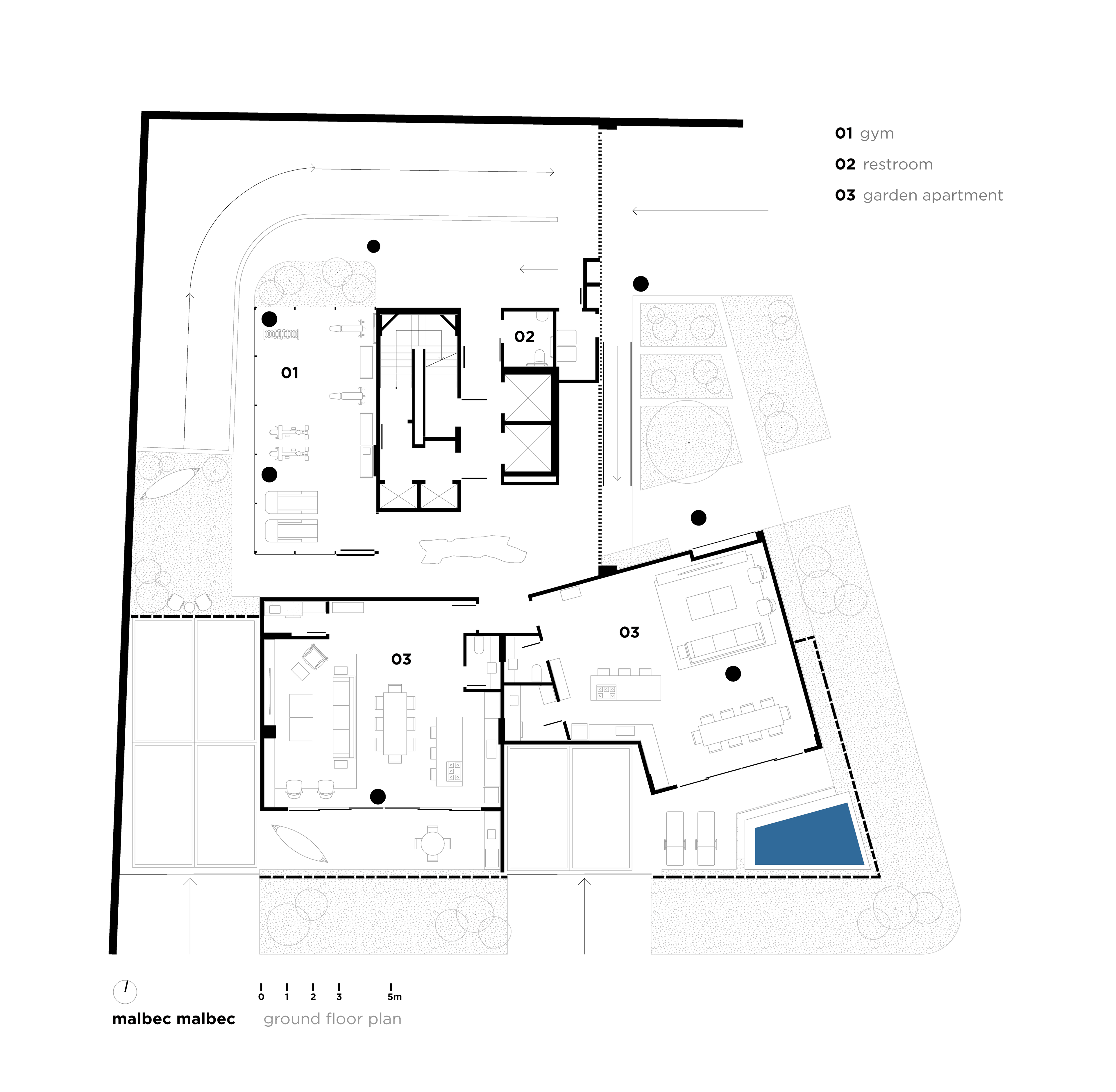
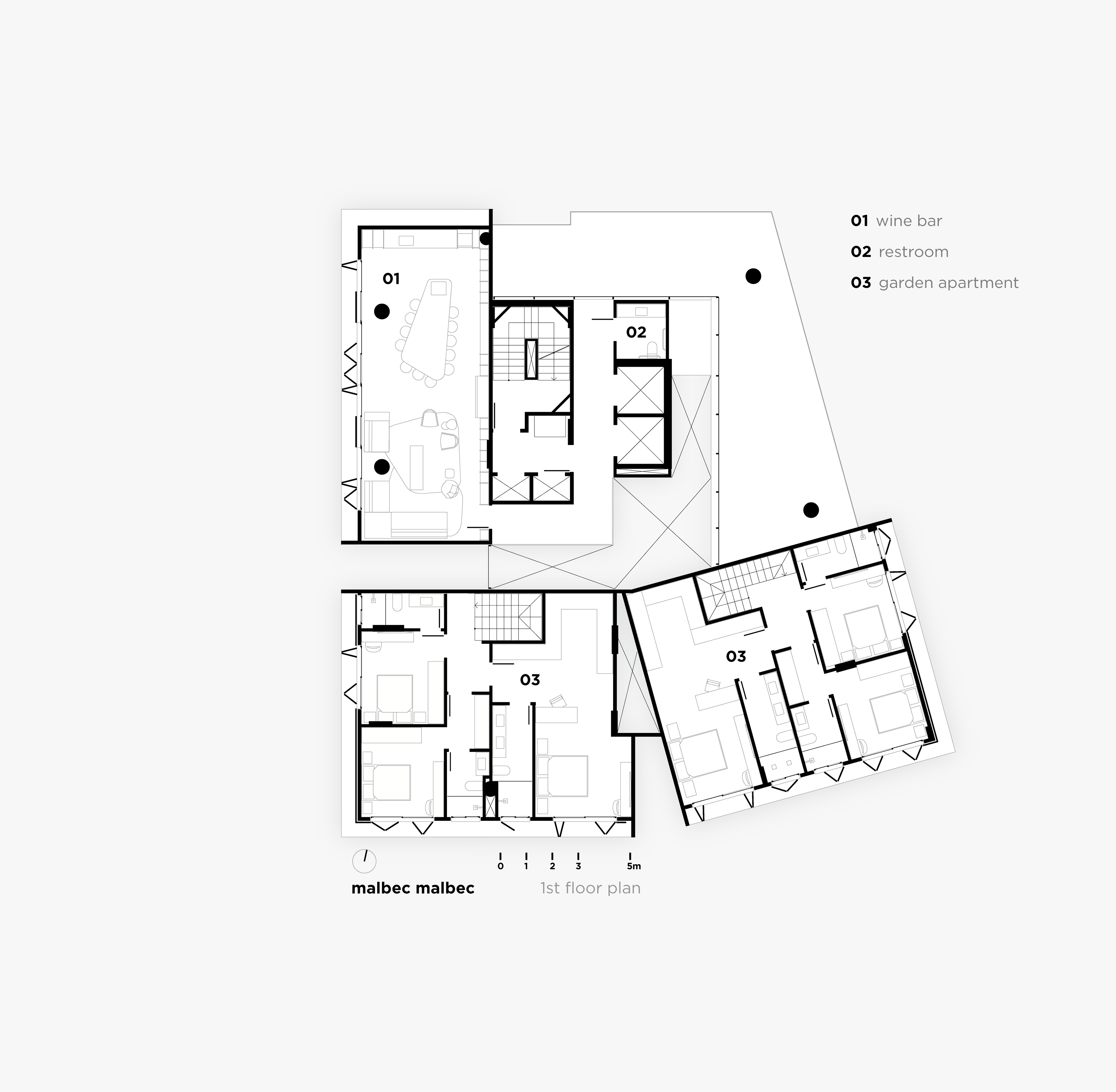
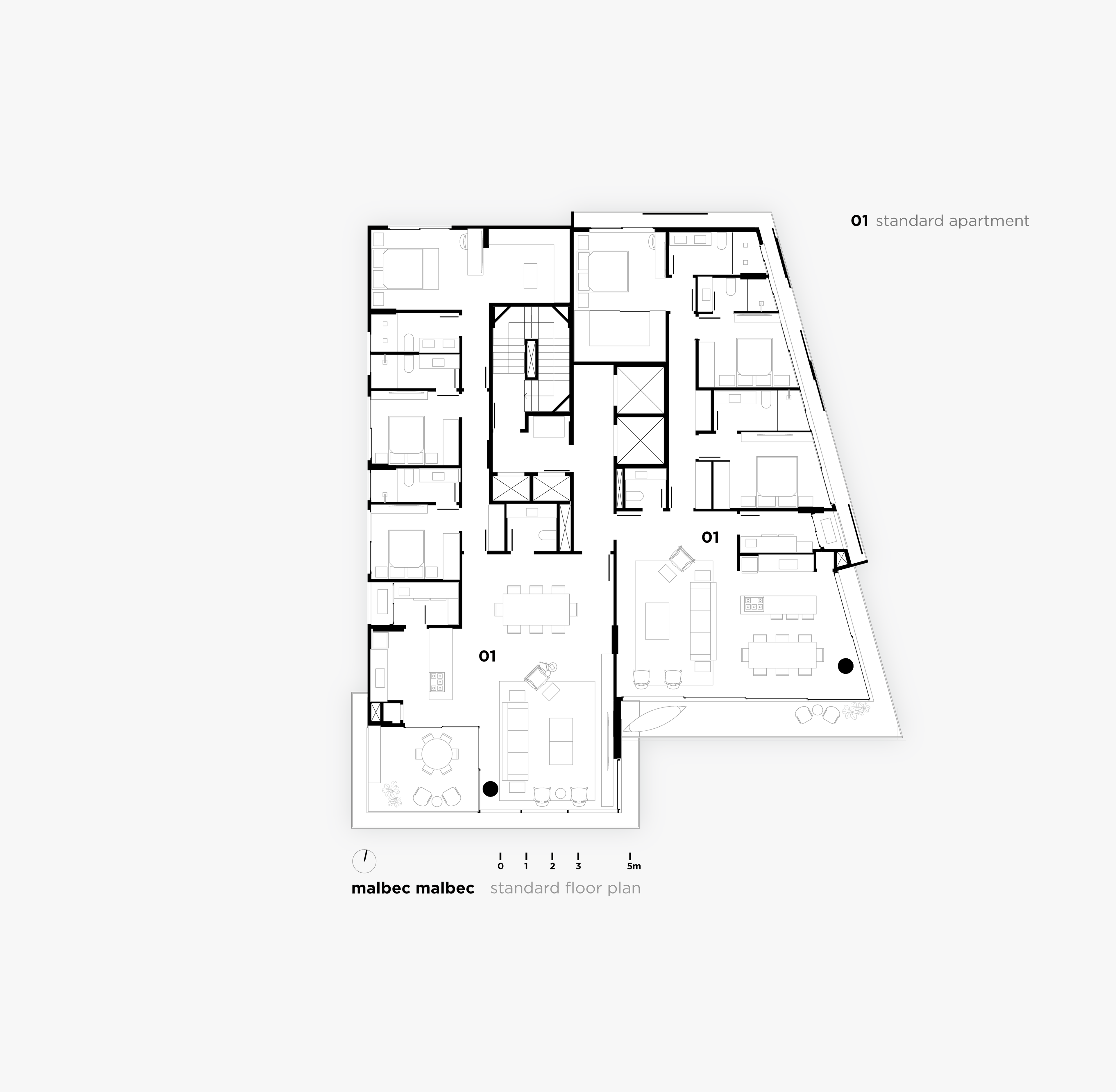
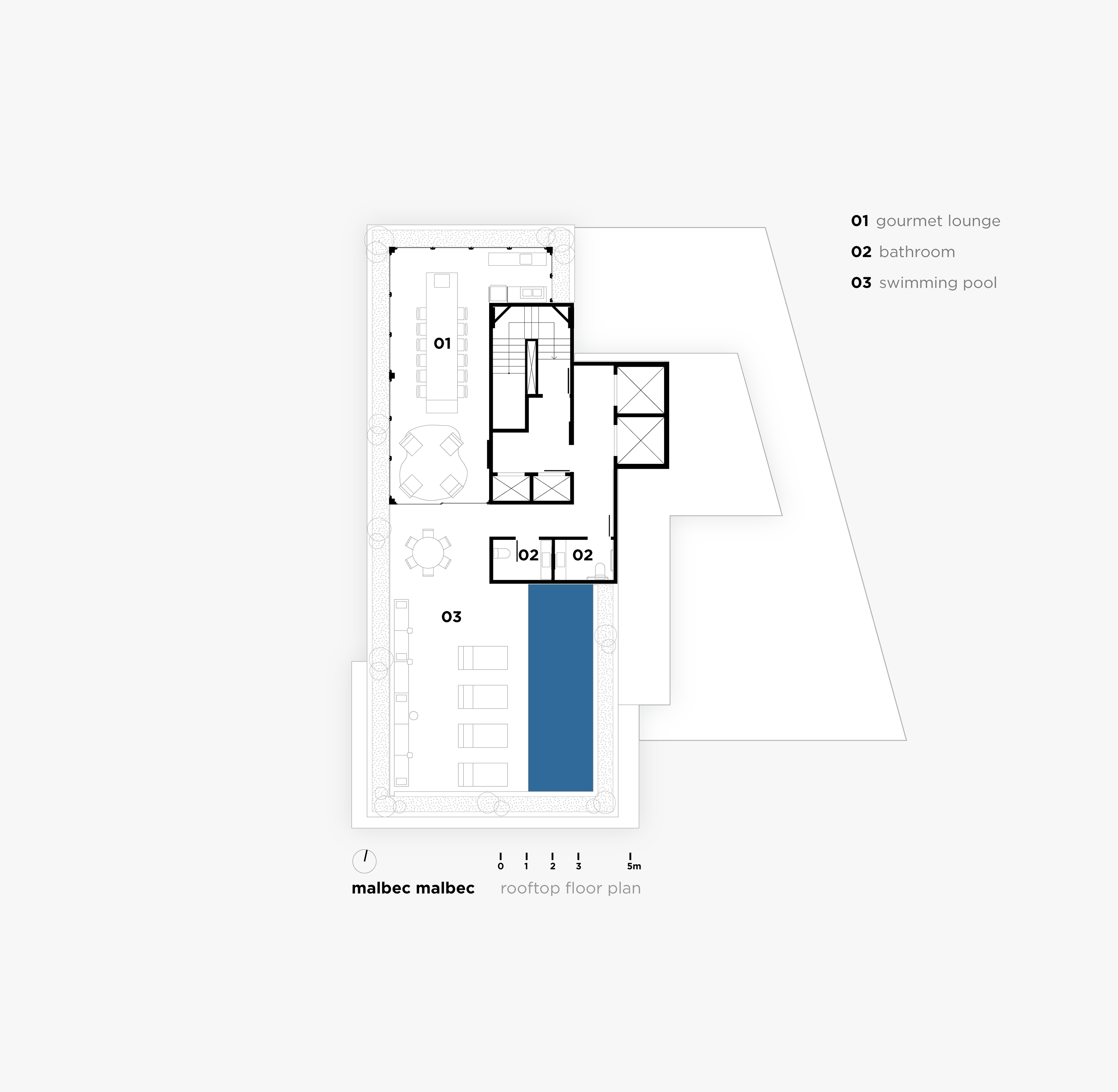
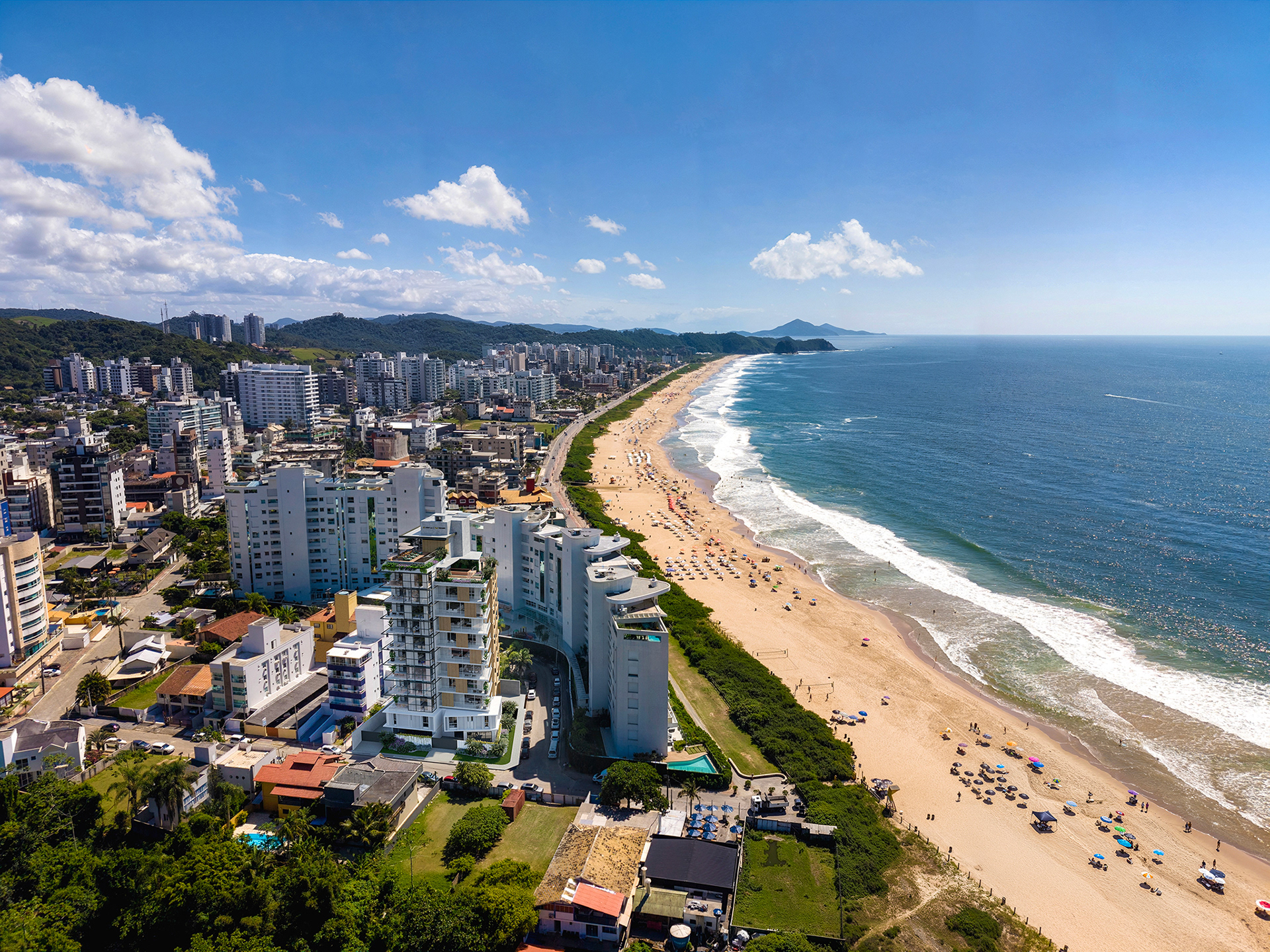
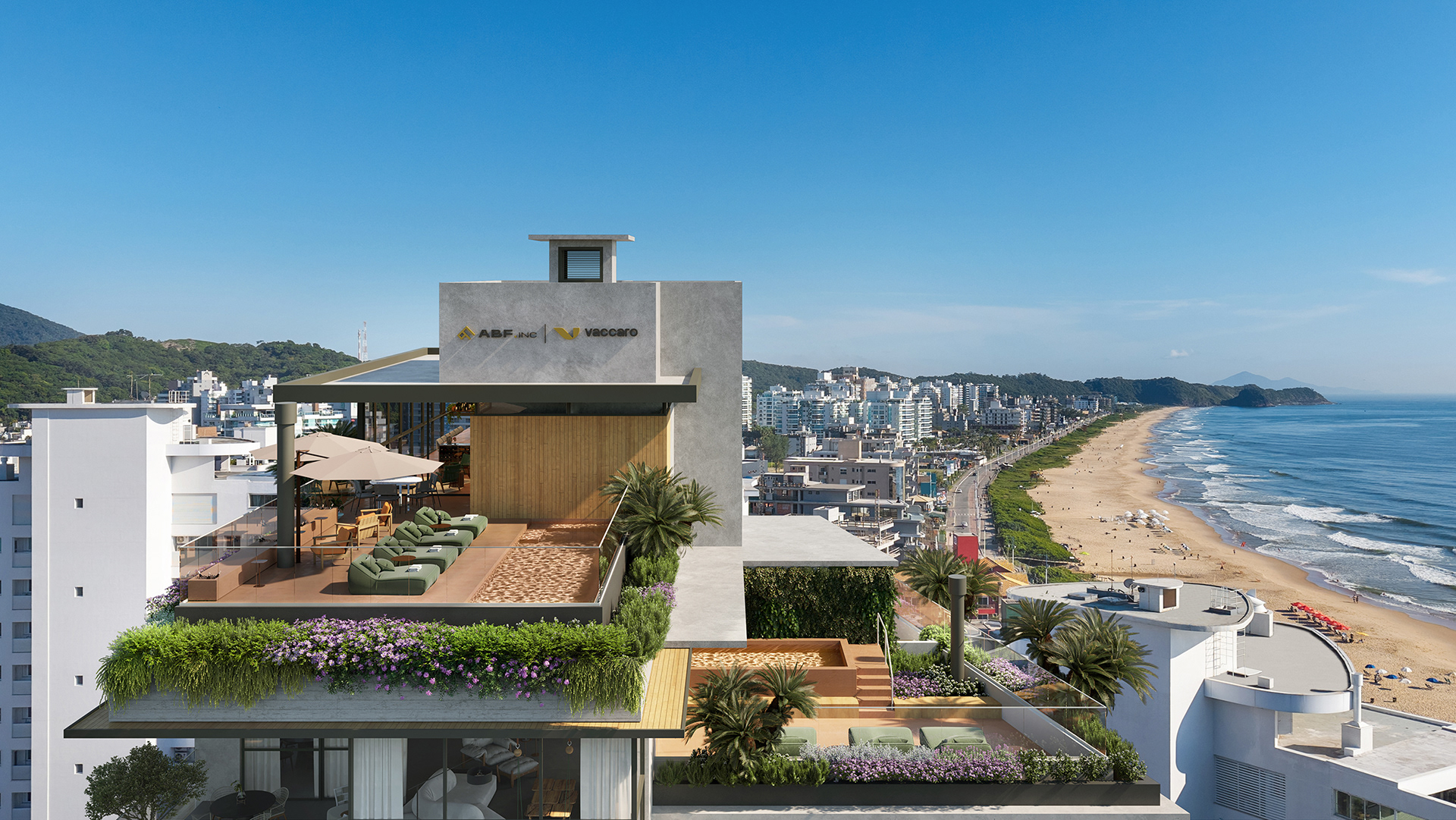
.Located at Praia Brava in Itajaí, the Malbec Malbec building represents a synthesis of contemporary architecture and respect for both the natural and urban surroundings. With a design that prioritizes visual and spatial integration, the building establishes a balanced dialogue with the coastal landscape—maximizing views of the sea and beach—as well as with the urban dynamics of the area through its highly open ground floor.
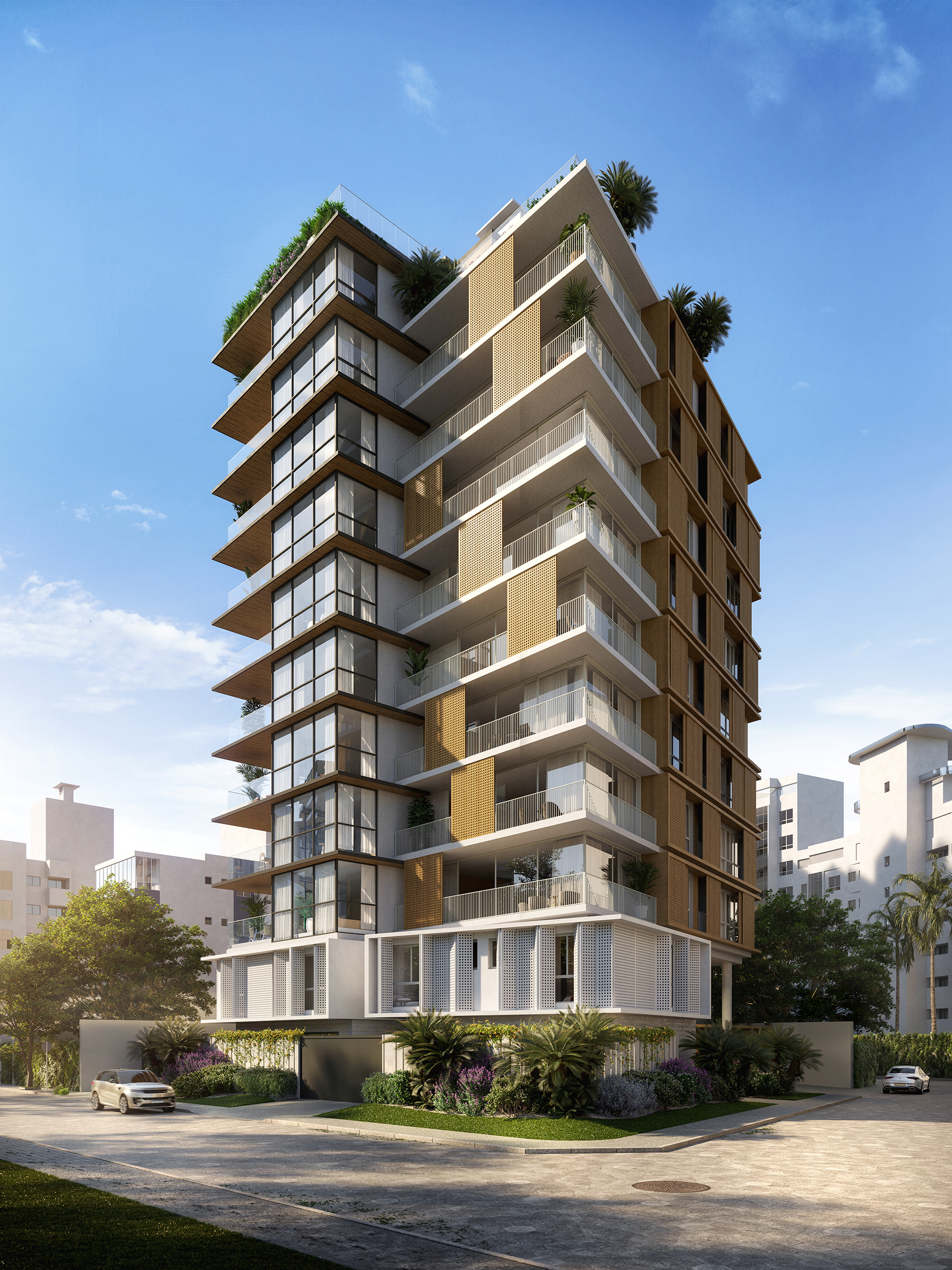
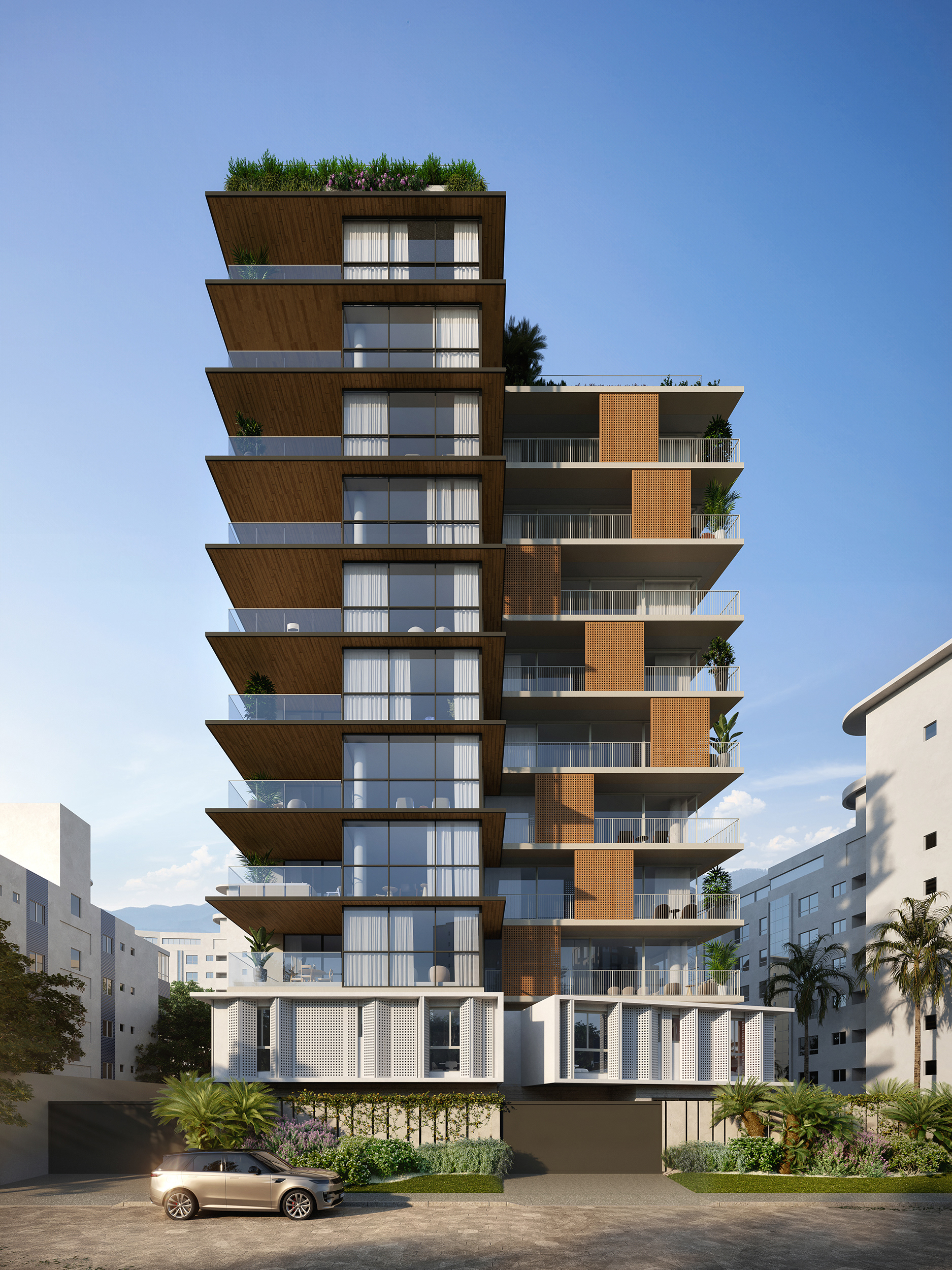
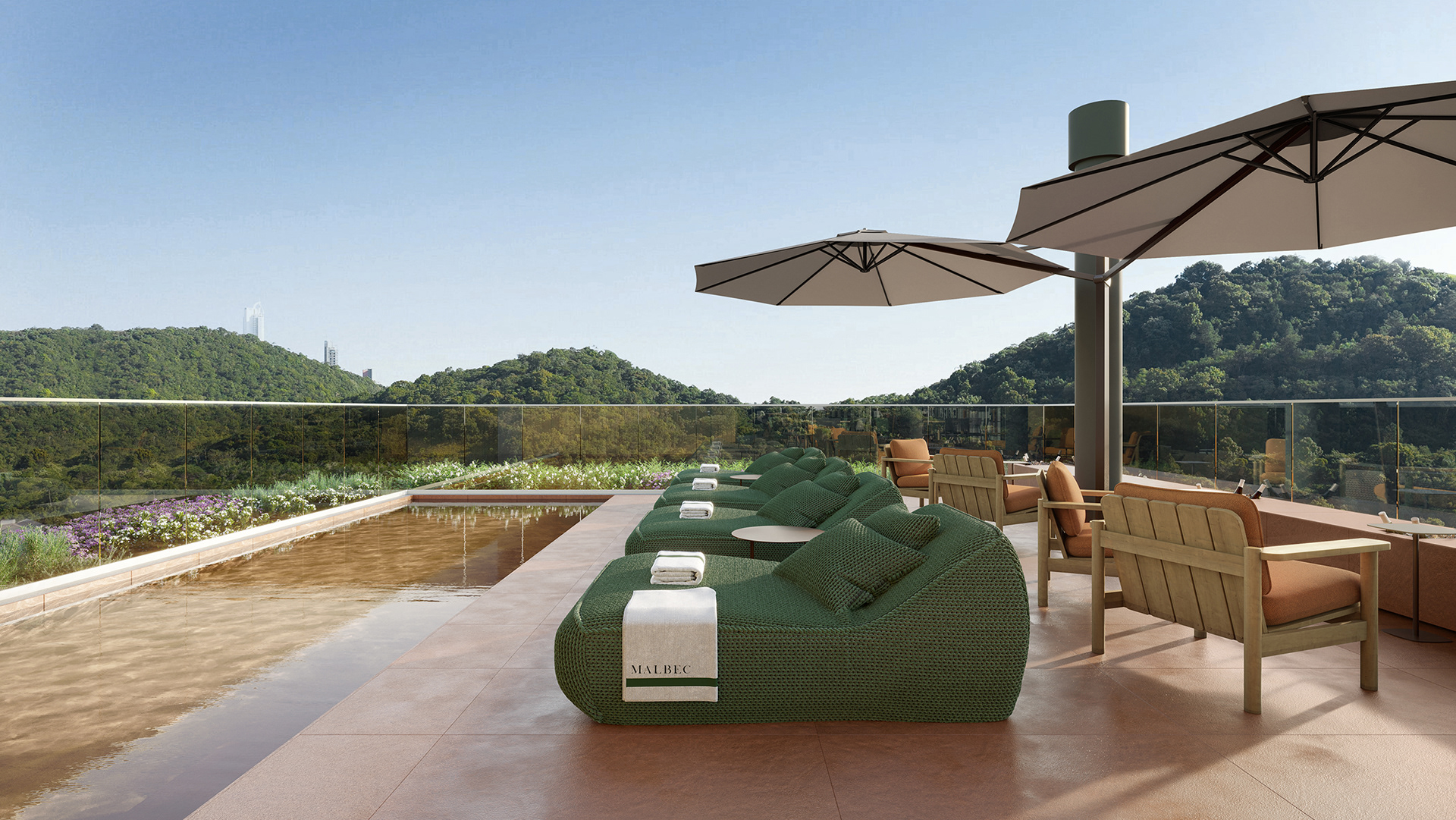
The architectural lines of the building stand out for their formal clarity and the careful articulation of volumes. The use of large glazed surfaces not only offers expansive ocean views but also fosters a continuous interaction between interior and exterior spaces. The terraces that run along the façades reinforce the connection between the building and the maritime landscape, allowing users to enjoy natural light and constant ventilation.
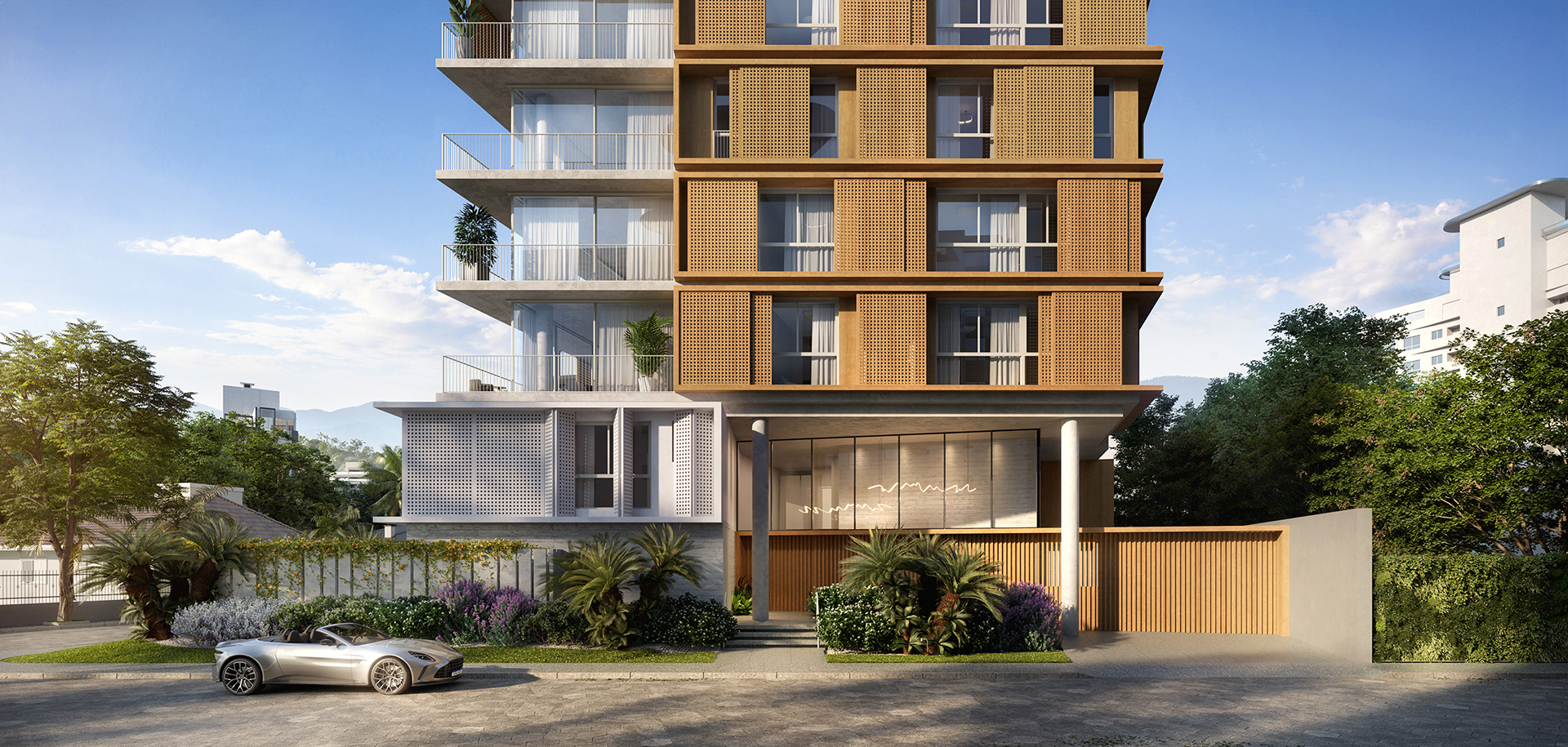
At the street level, the building shows a clear intent to create an inviting and fluid relationship with the public realm. Thoughtfully planned landscaping—drawing inspiration from vineyards—and the use of materials that dialogue with the local context create a gradual transition between public and private space. The façade composition, featuring natural materials such as wood and discreet visual elements, contributes to an architectural presence that is both striking and harmoniously integrated with its surroundings.
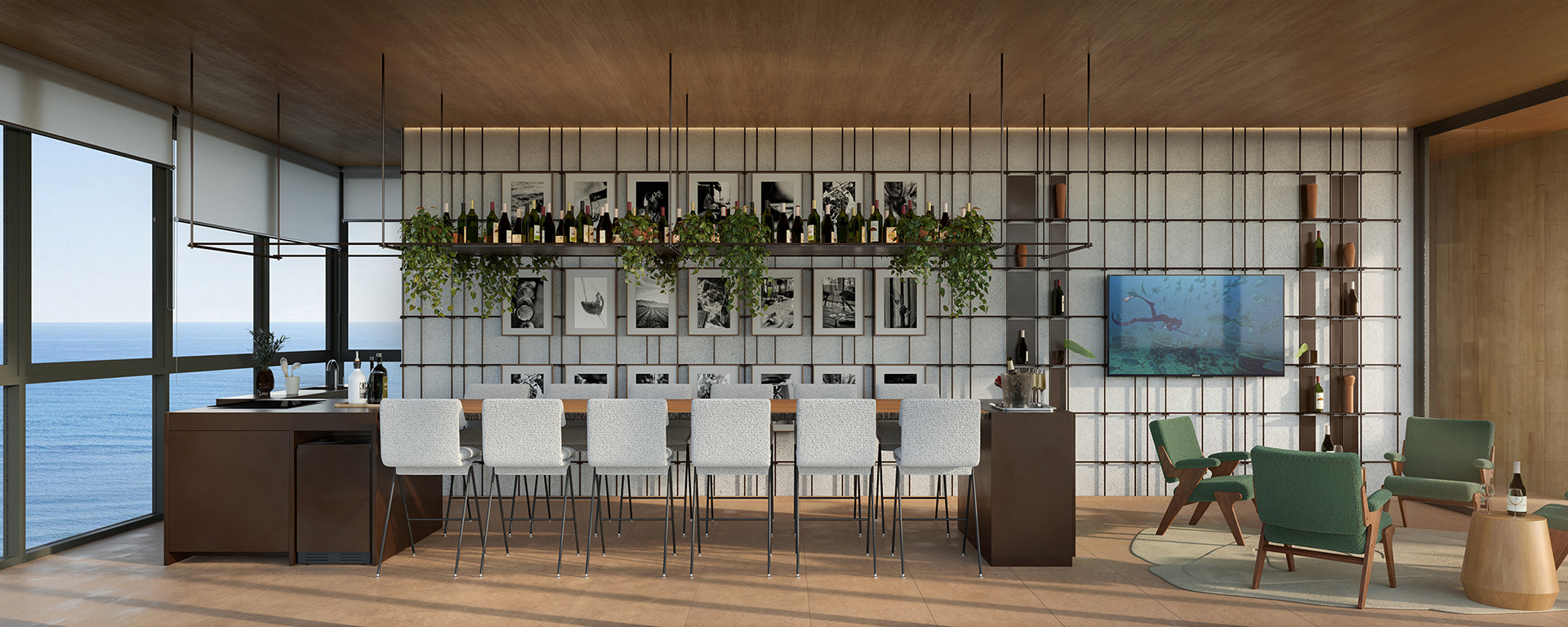
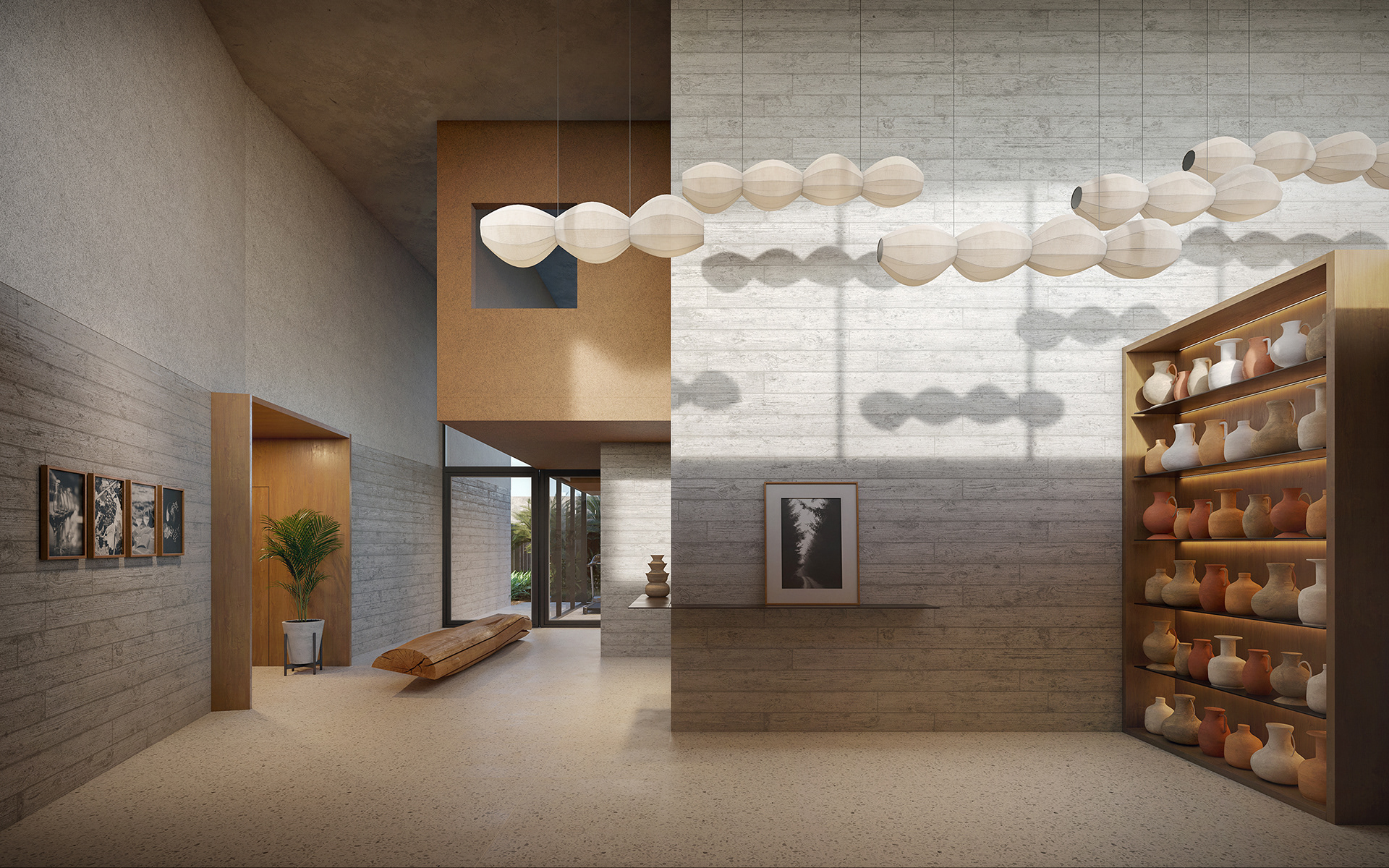
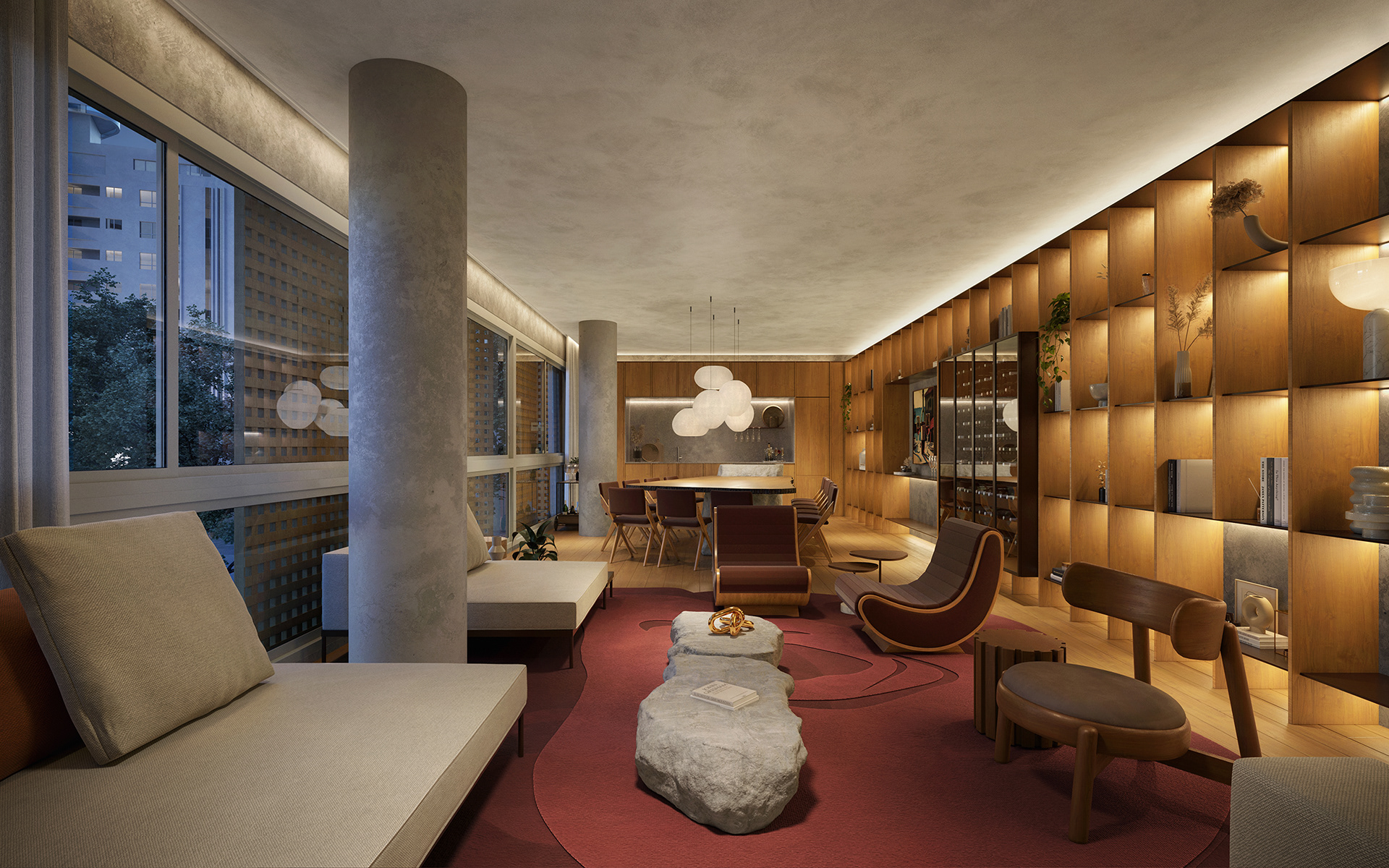
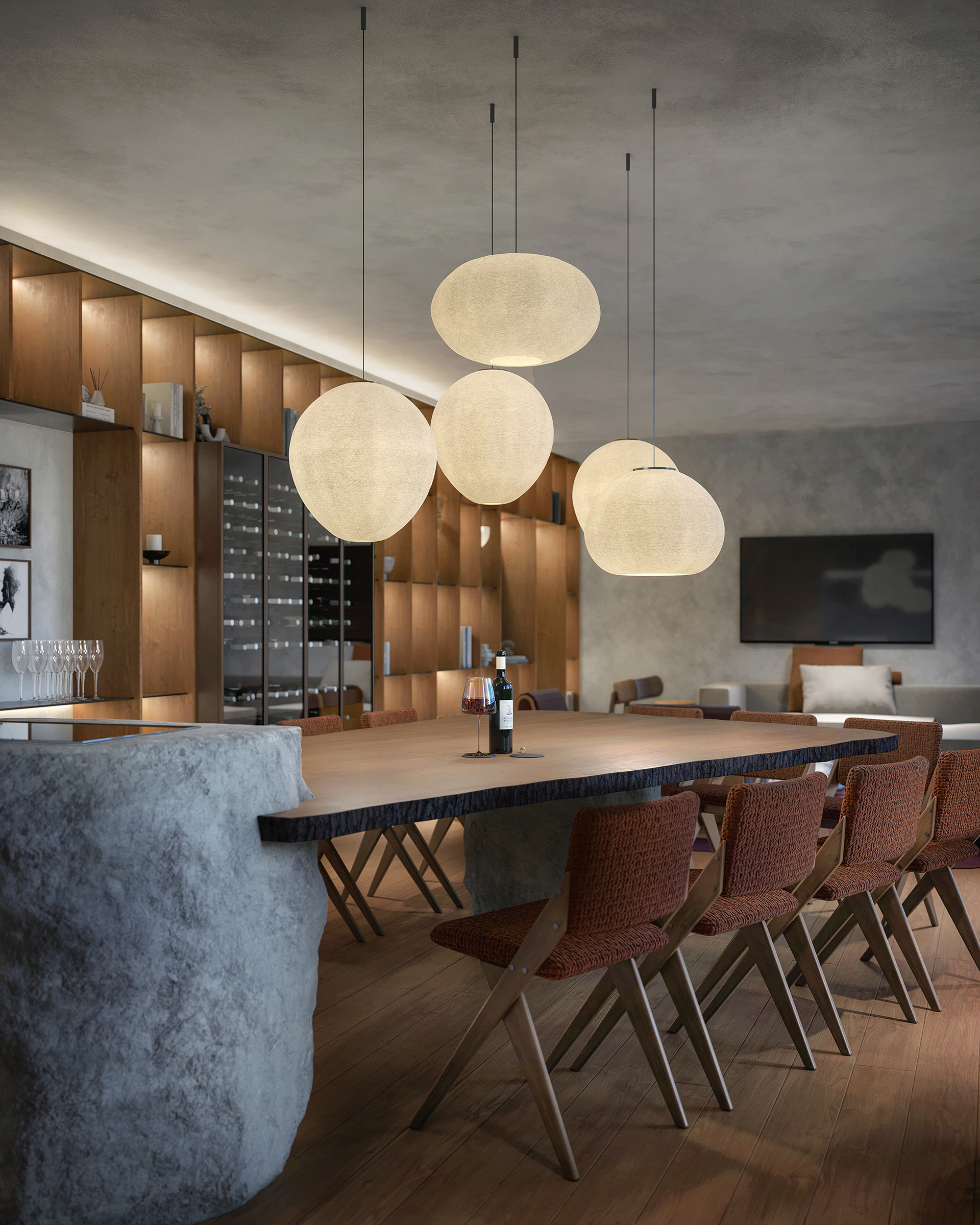
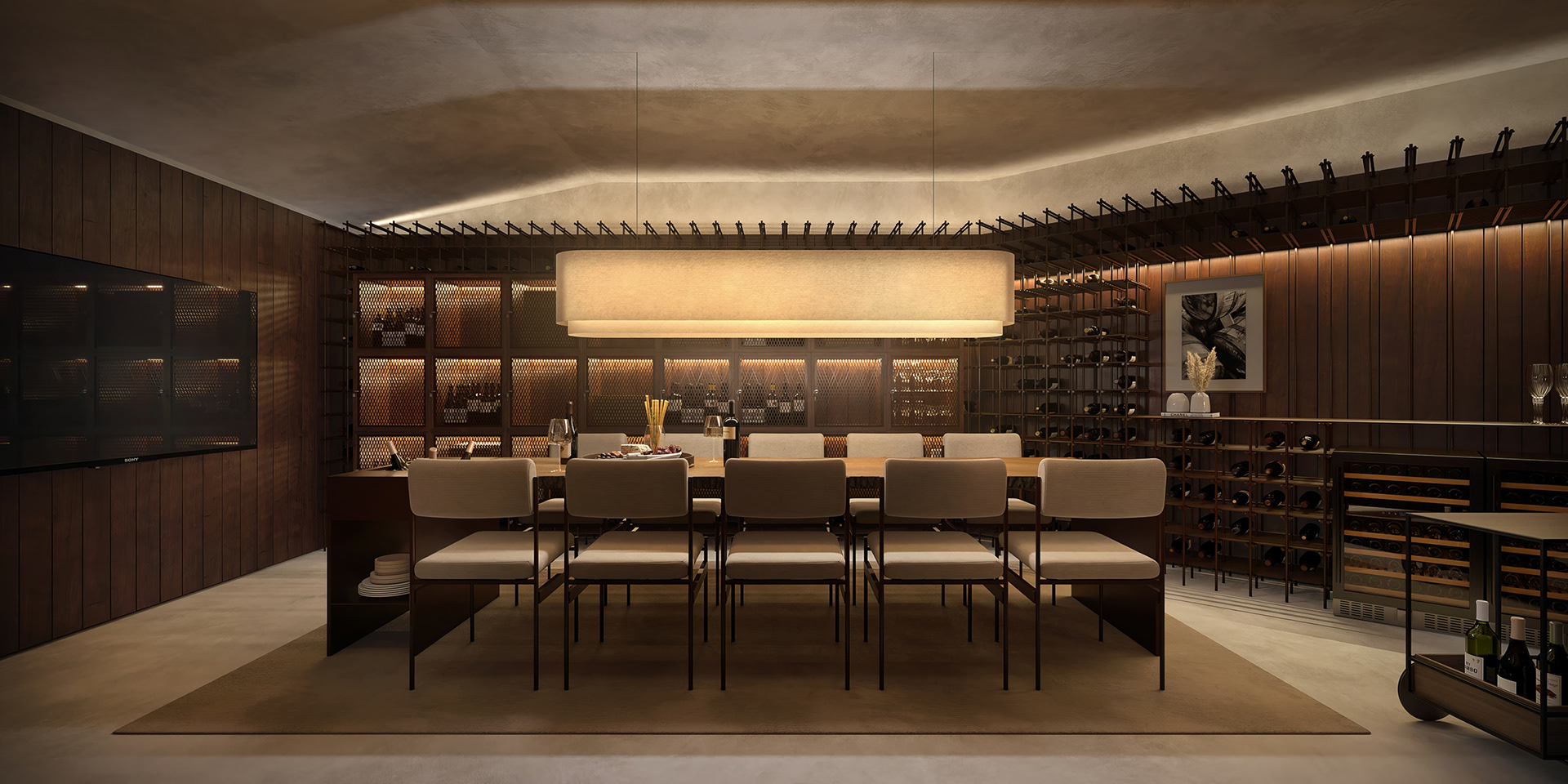
In the building's common areas, the interior architecture is inspired by the world of wine, creating a spatial narrative that combines functionality with symbolism. Elements such as color palettes drawn from wine tones, rich textures, and evocative details transform these spaces into highly sensory environments. This approach reinforces the connection between architecture and a broader cultural experience, translating the building's concept into material expressions that celebrate design and the cultural memory associated with wine.
The architectural lines of the building stand out for their formal clarity and the careful articulation of volumes. The use of large glazed surfaces not only offers expansive ocean views but also fosters a continuous interaction between interior and exterior spaces. The terraces that run along the façades reinforce the connection between the building and the maritime landscape, allowing users to enjoy natural light and constant ventilation.
At the street level, the building shows a clear intent to create an inviting and fluid relationship with the public realm. Thoughtfully planned landscaping—drawing inspiration from vineyards—and the use of materials that dialogue with the local context create a gradual transition between public and private space. The façade composition, featuring natural materials such as wood and discreet visual elements, contributes to an architectural presence that is both striking and harmoniously integrated with its surroundings.
In the building's common areas, the interior architecture is inspired by the world of wine, creating a spatial narrative that combines functionality with symbolism. Elements such as color palettes drawn from wine tones, rich textures, and evocative details transform these spaces into highly sensory environments. This approach reinforces the connection between architecture and a broader cultural experience, translating the building's concept into material expressions that celebrate design and the cultural memory associated with wine.