
ESCÓCIA
STREET
HOUSE
SÃO PAULO - SP, BRAZIL
Project specifications
Site area - 500m²
Building area - 590m²
Project beginning - 2021
Construction completion - 2025
Building area - 590m²
Project beginning - 2021
Construction completion - 2025
Team
Authors - Fernando Forte, Lourenço Gimenes, Rodrigo Marcondes Ferraz
Managers - Desyree Niedo, Felipe Fernandes, Gabriel Mota, Juliana Cadó, Sonia Gouveia, Talita Broering
Coordinators - Eduardo Piovesan, João Baptistella, Letícia Gonzalez
Contributors - Carolina Hasbani, Cecília Knaesel, Christian Gofferje, Izabela Veloso, Julia Spadari, Lucas Paiva, Mariana Ventorini, Marilia Toledo, Victor Lucena
Interns - Ana Paula Sapia, Érika Azevedo, Hendrews Franklin, Mariana Sarto
Photographer - Victor Lucena
Constructor - Lampur Engenharia
Landscape designer - Rodrigo Oliveira
Lighting designer - Castilha Iluminação / Lis
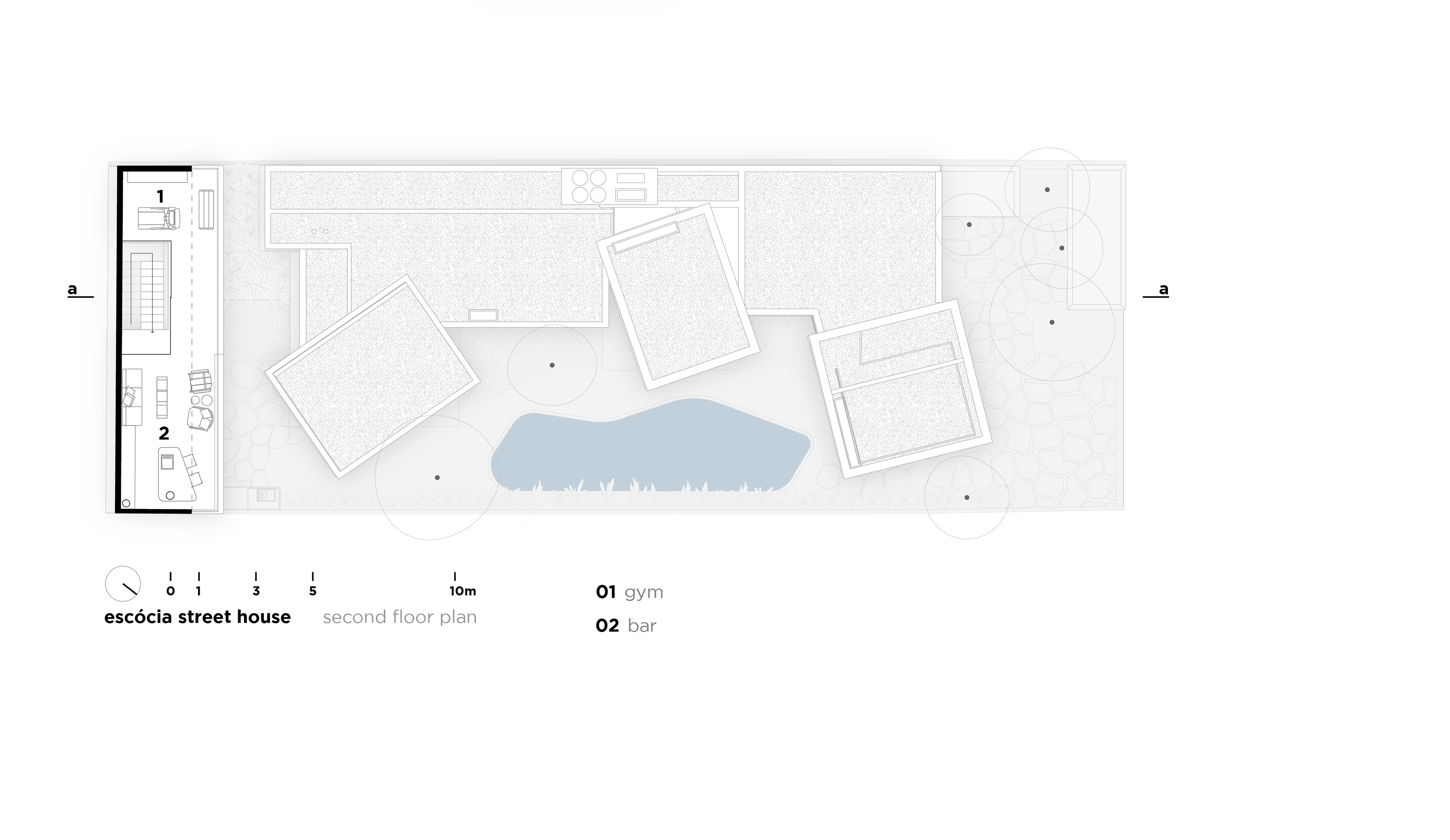
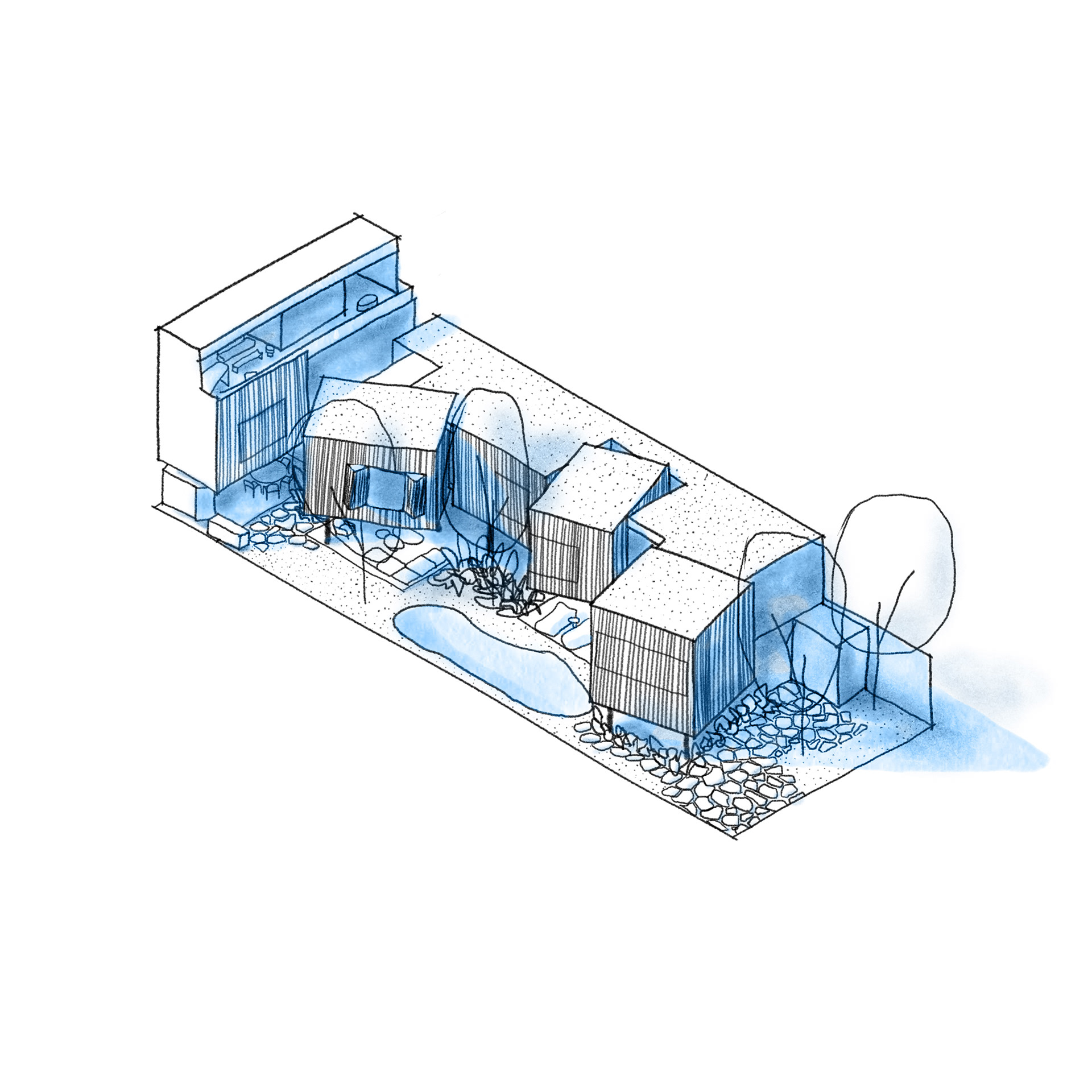
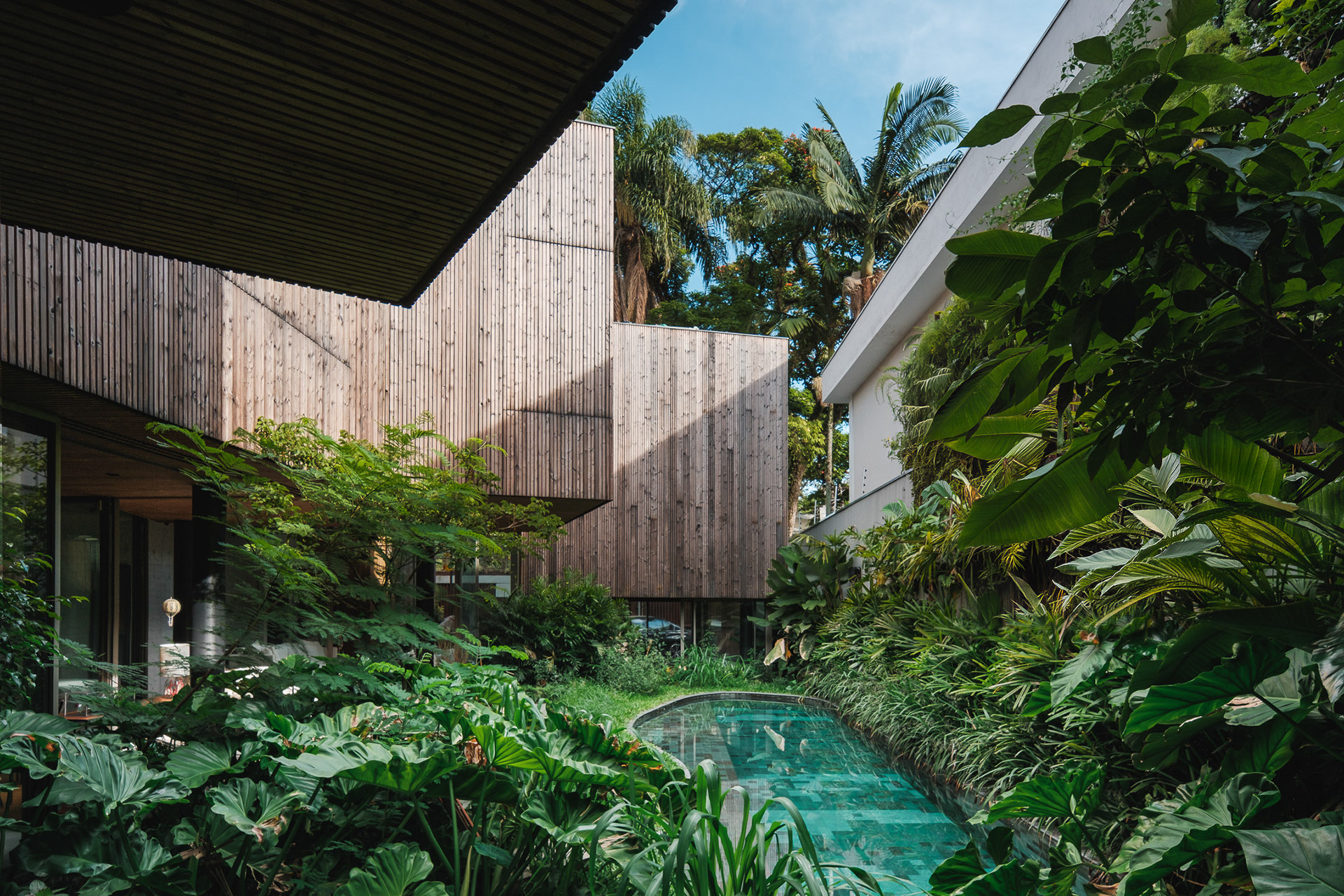
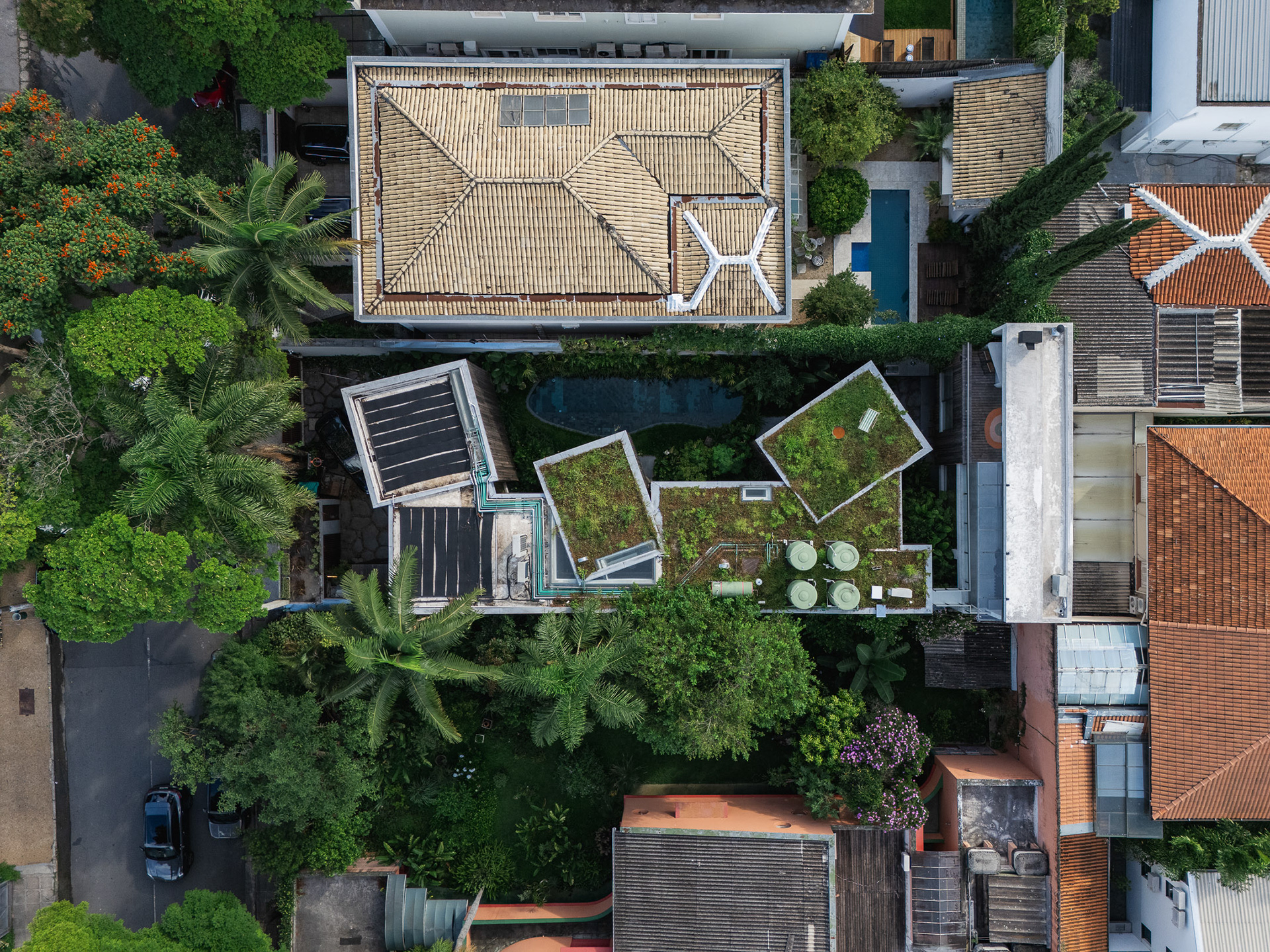
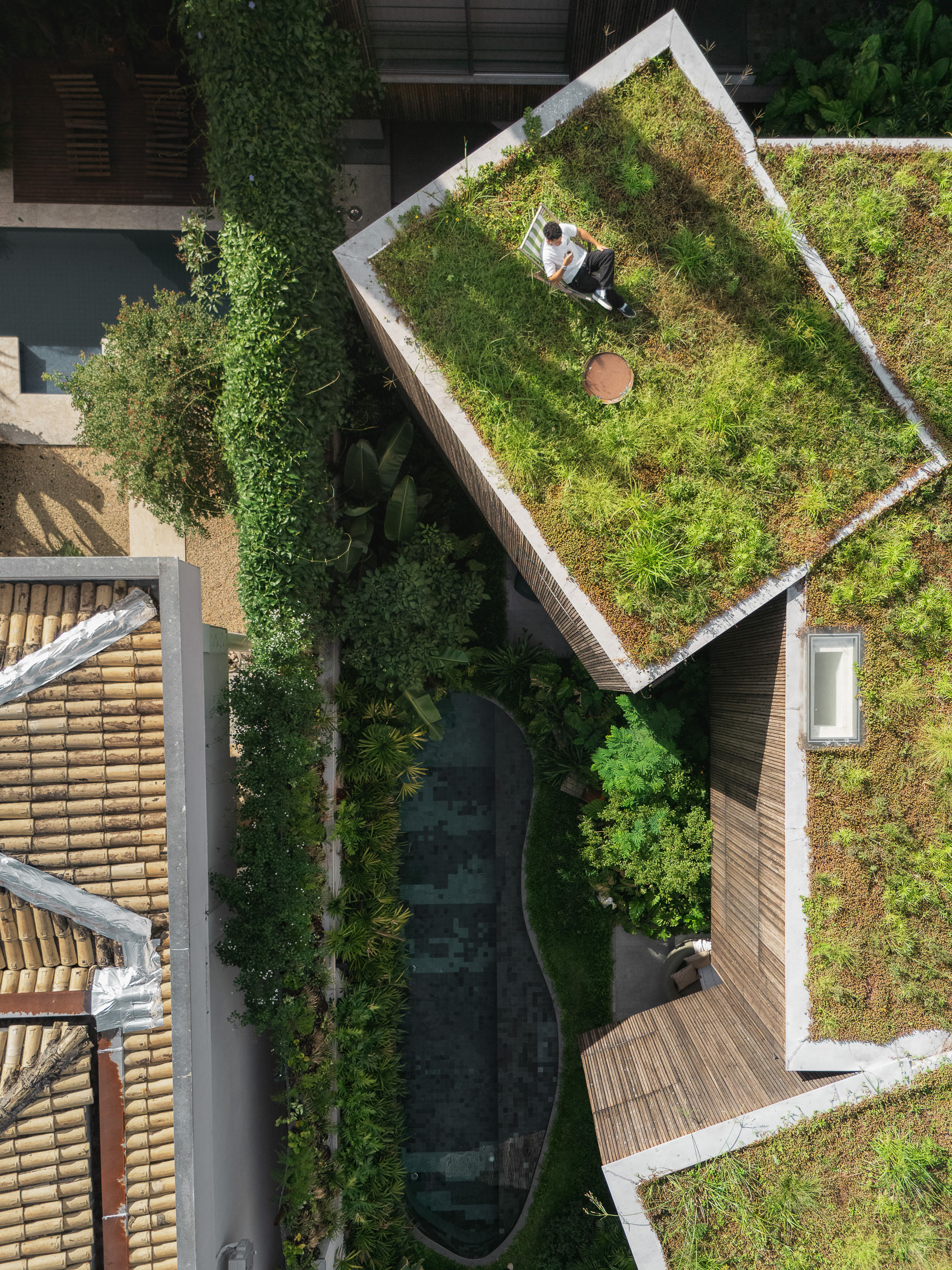
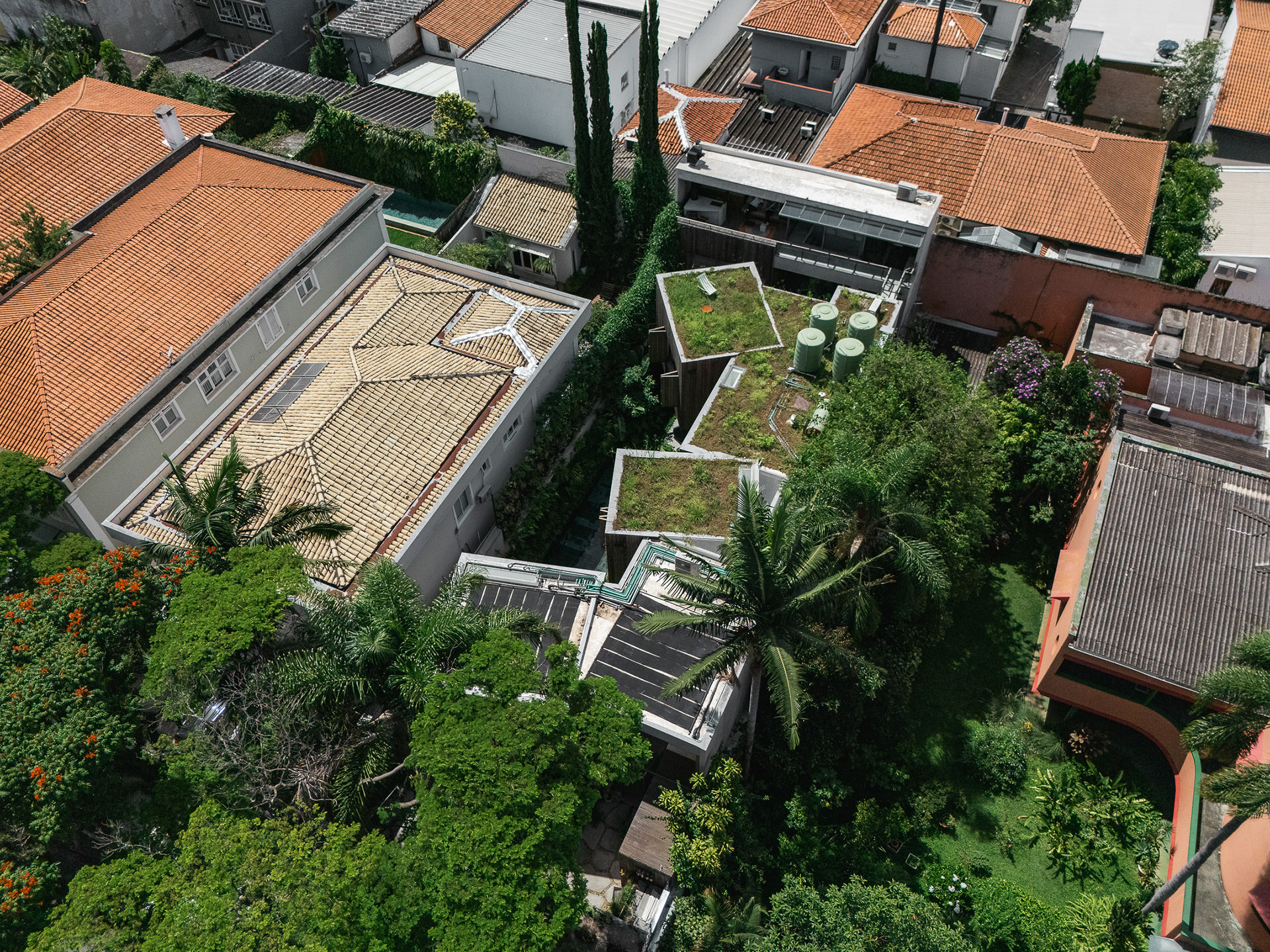
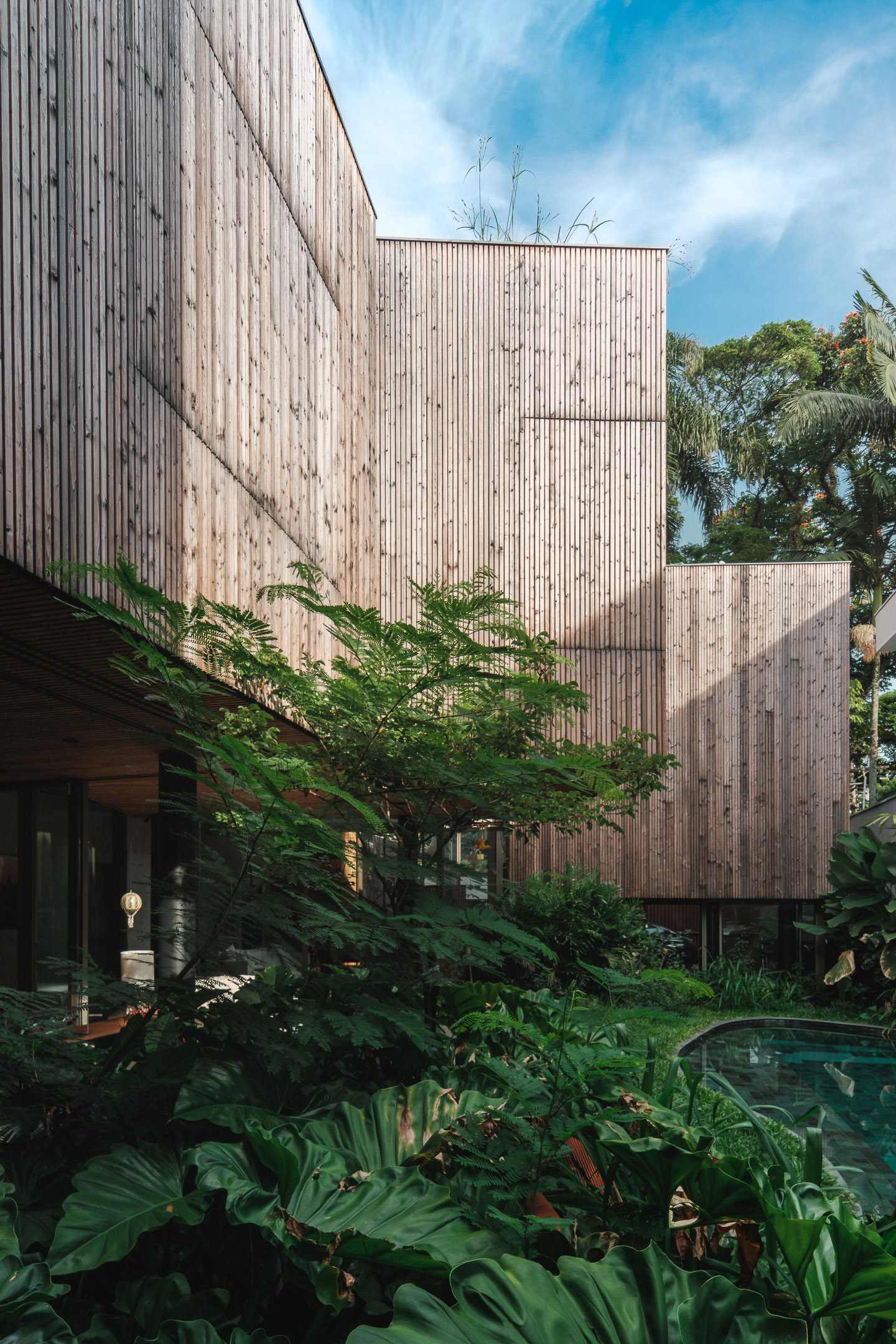
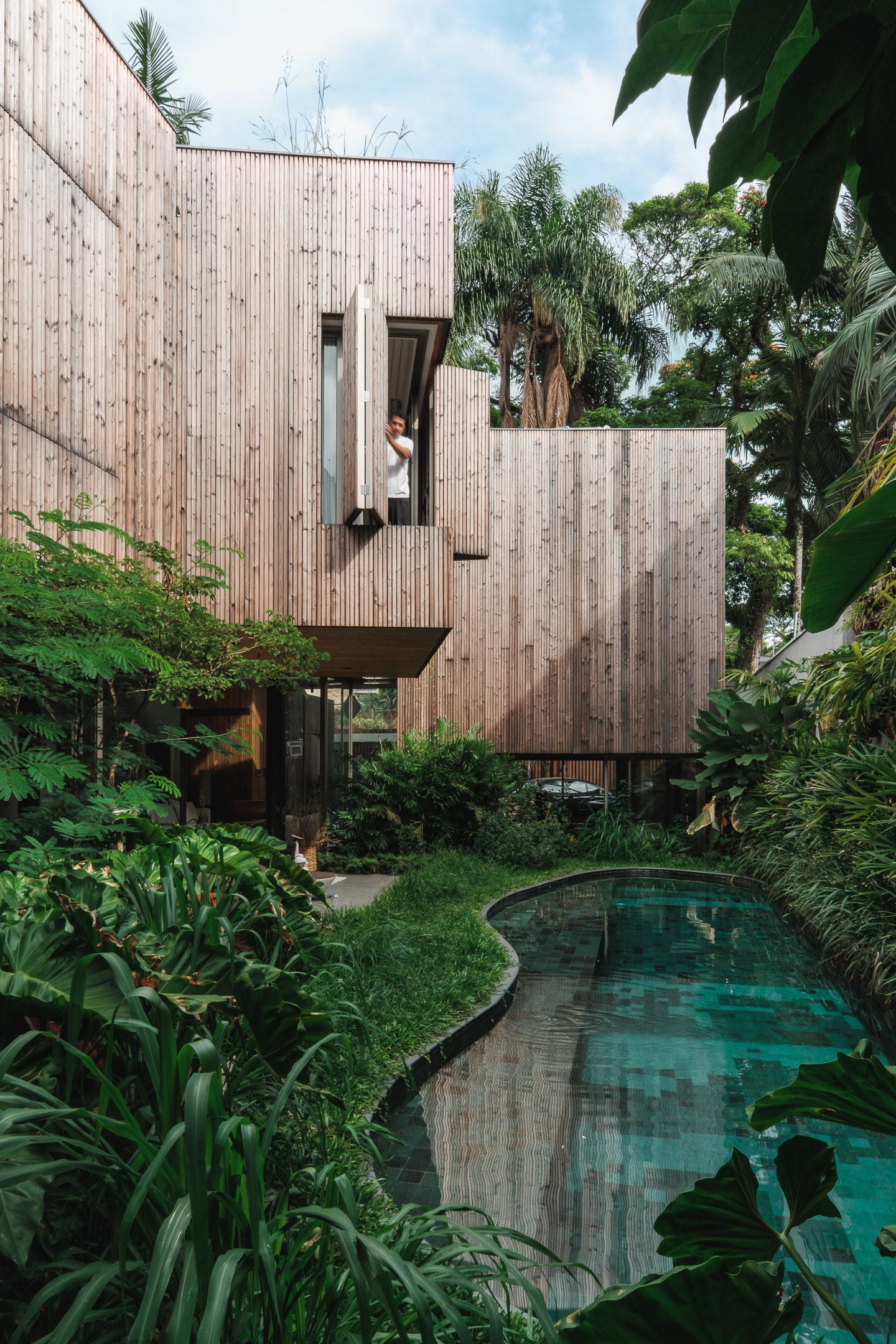
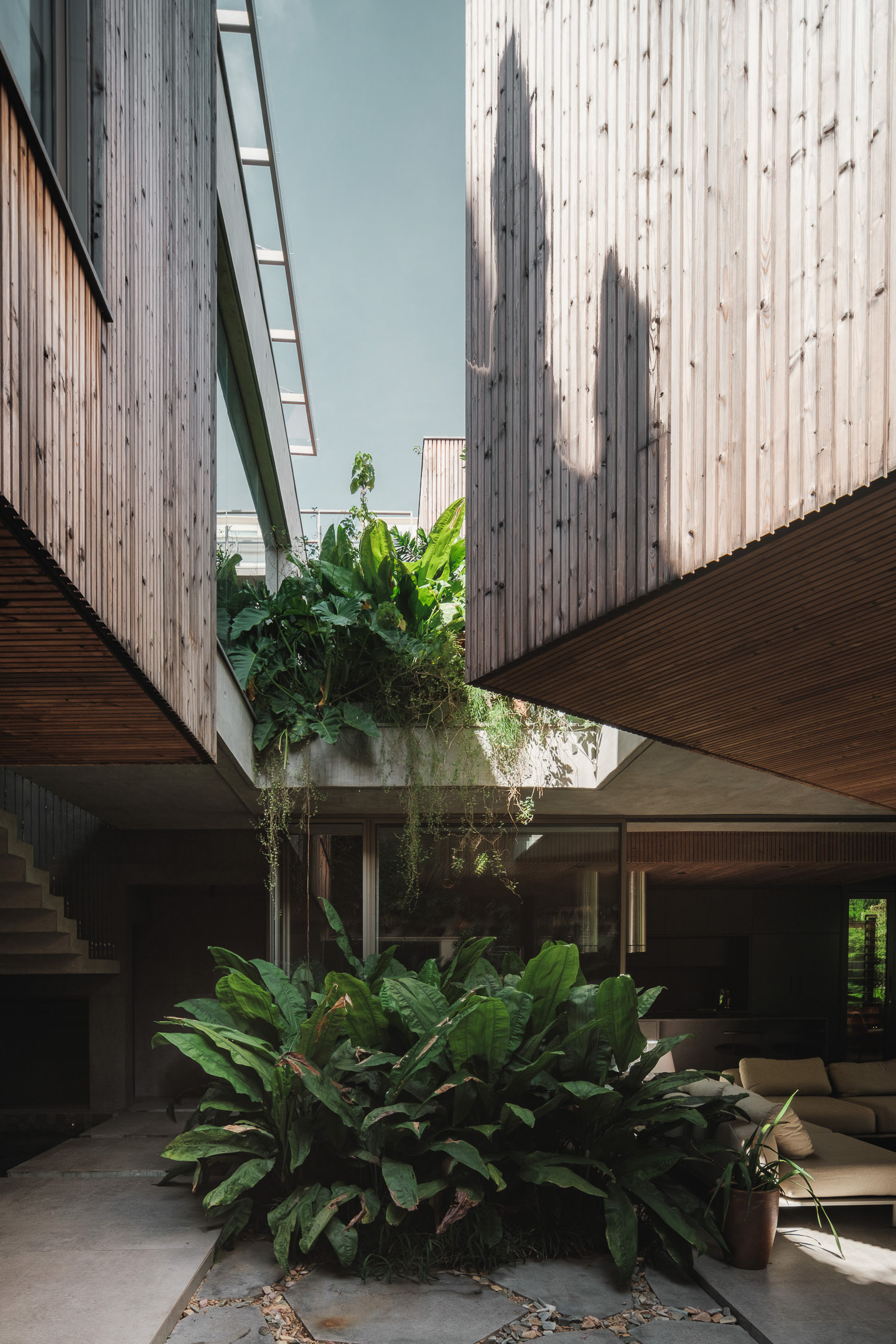
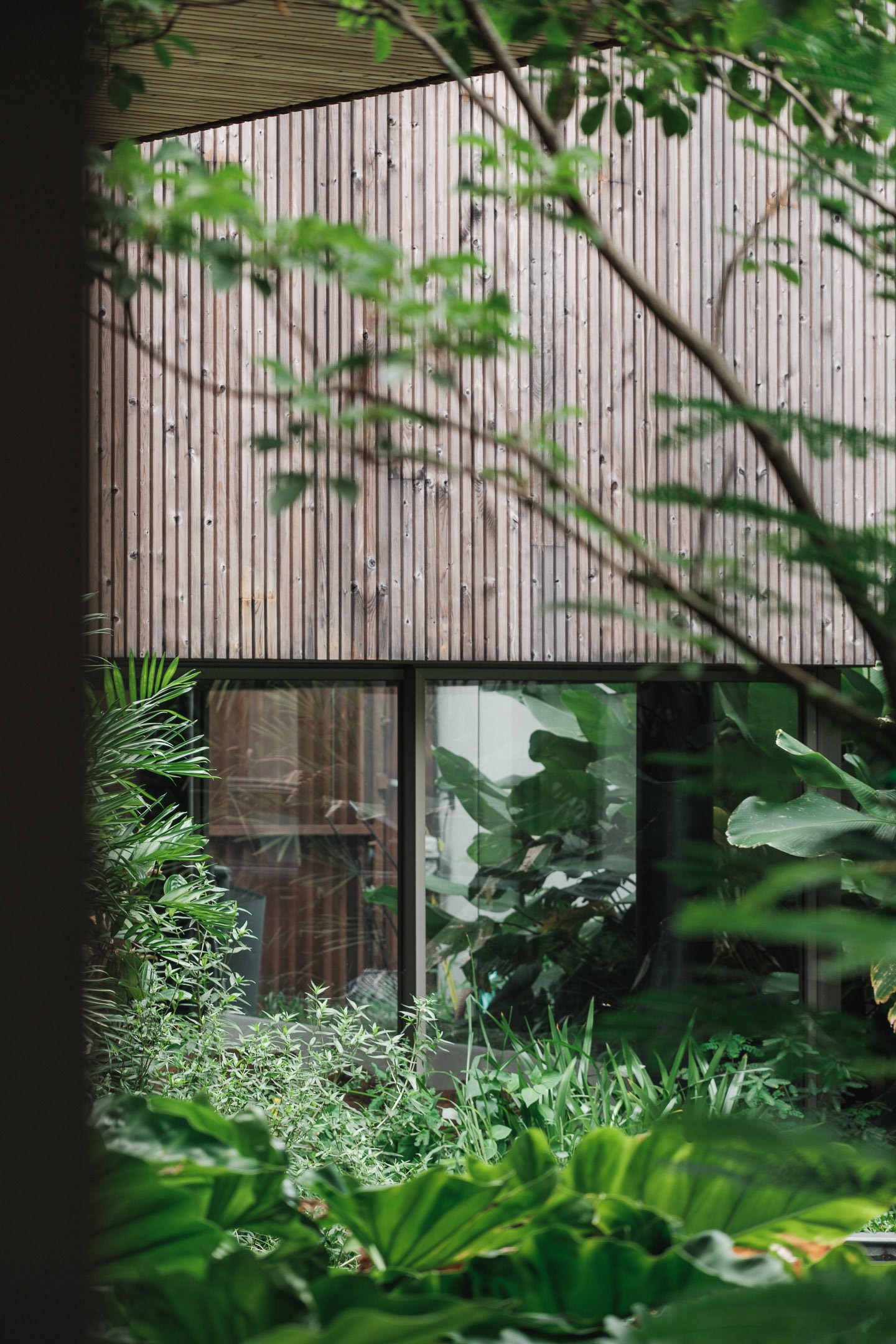
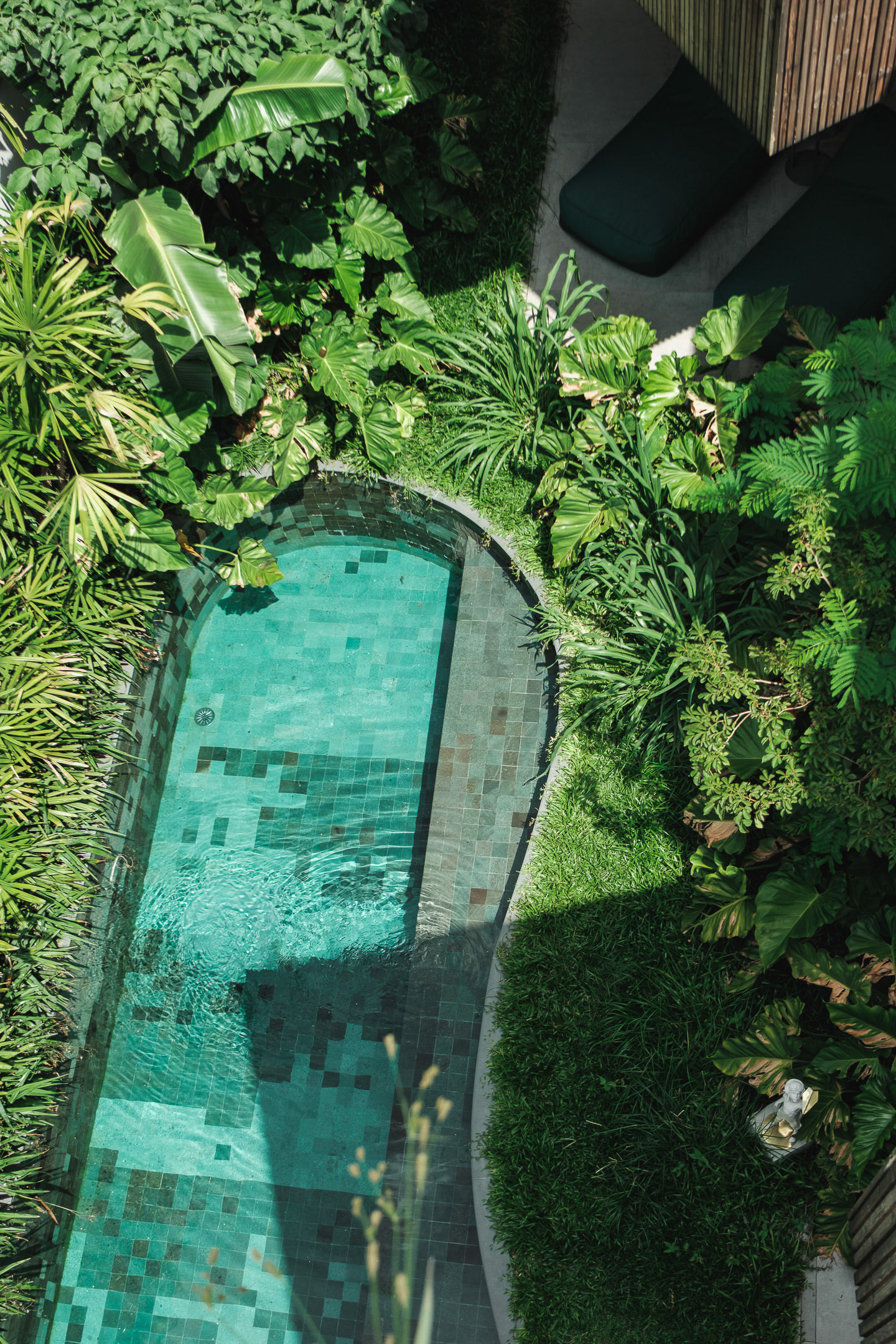
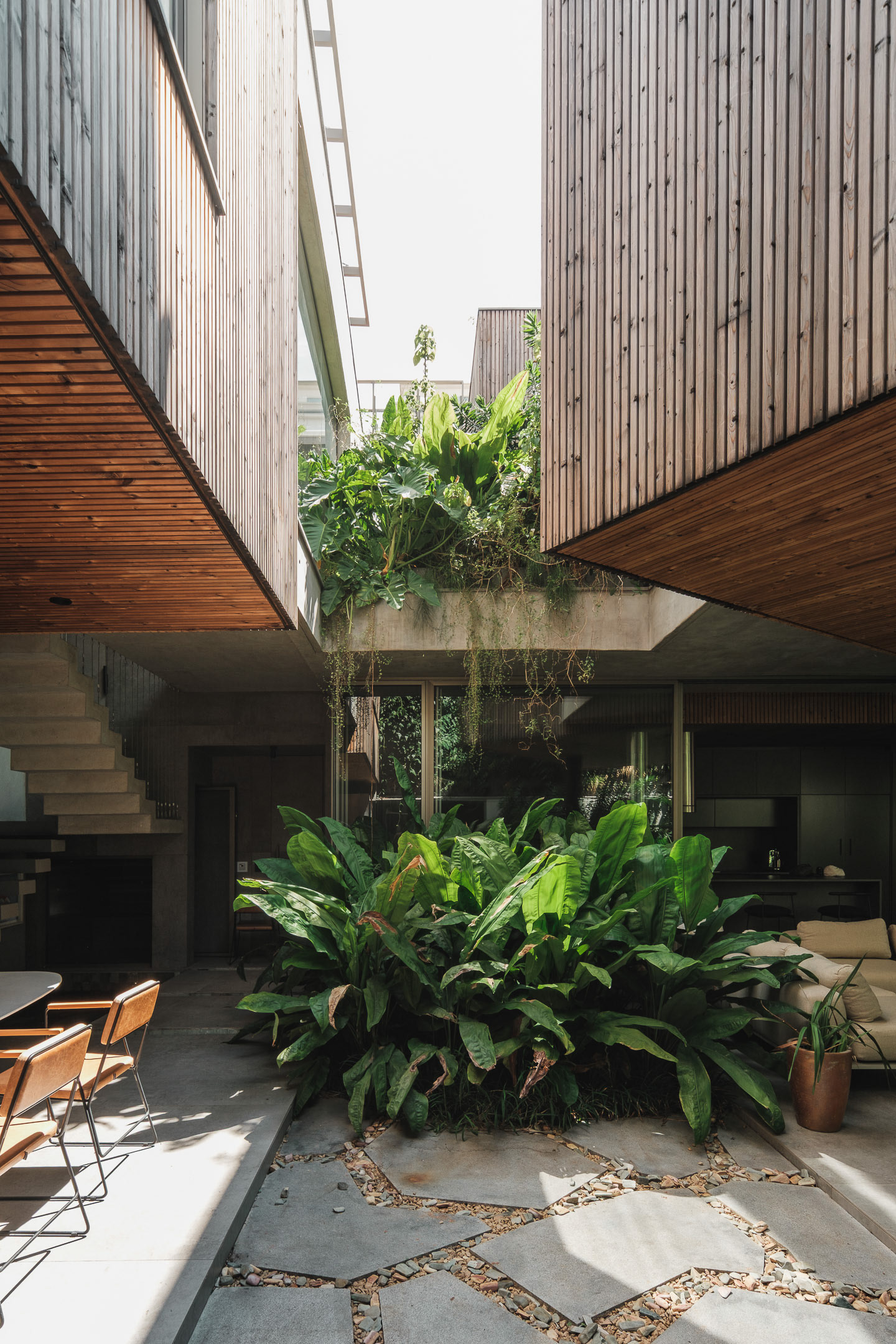
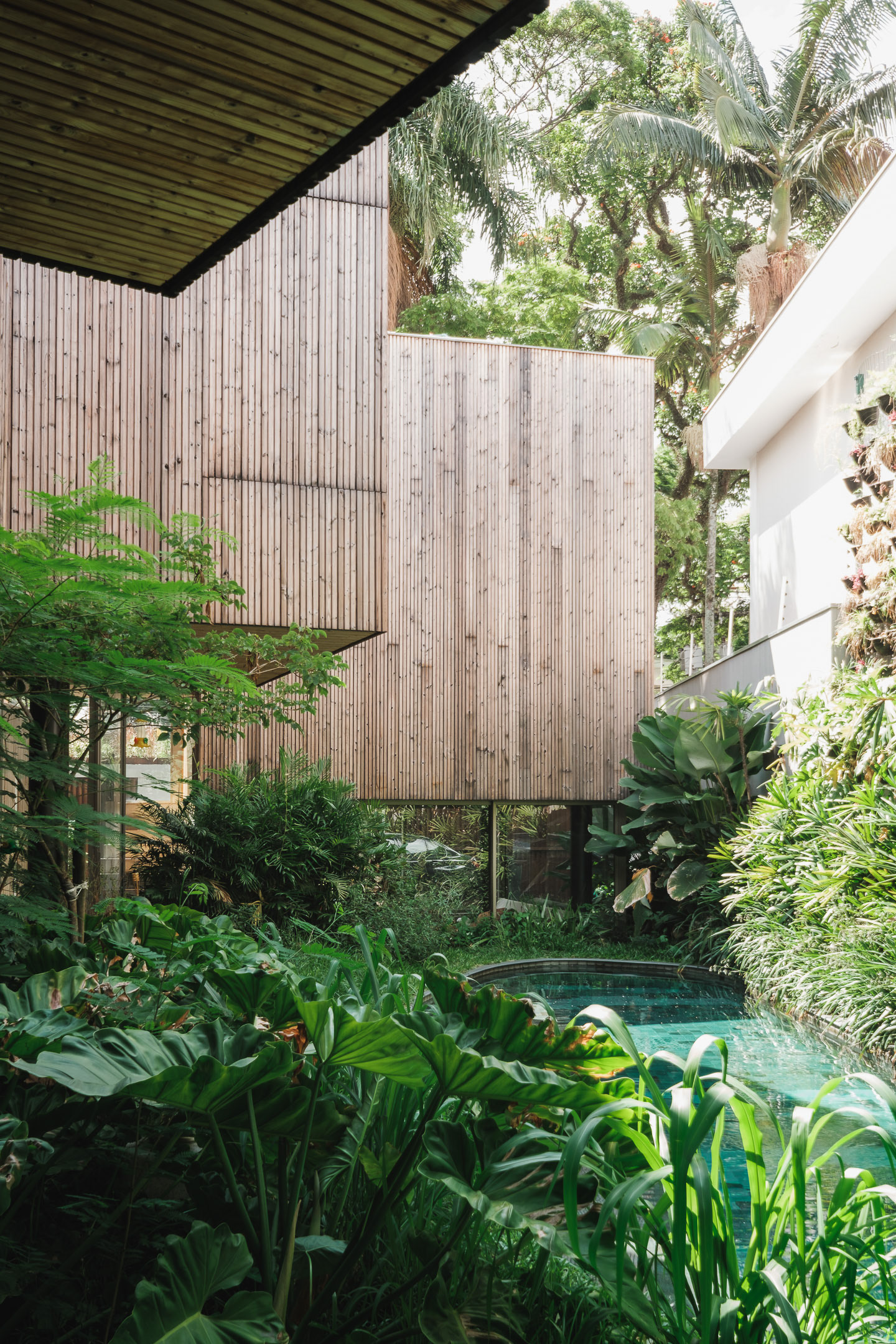
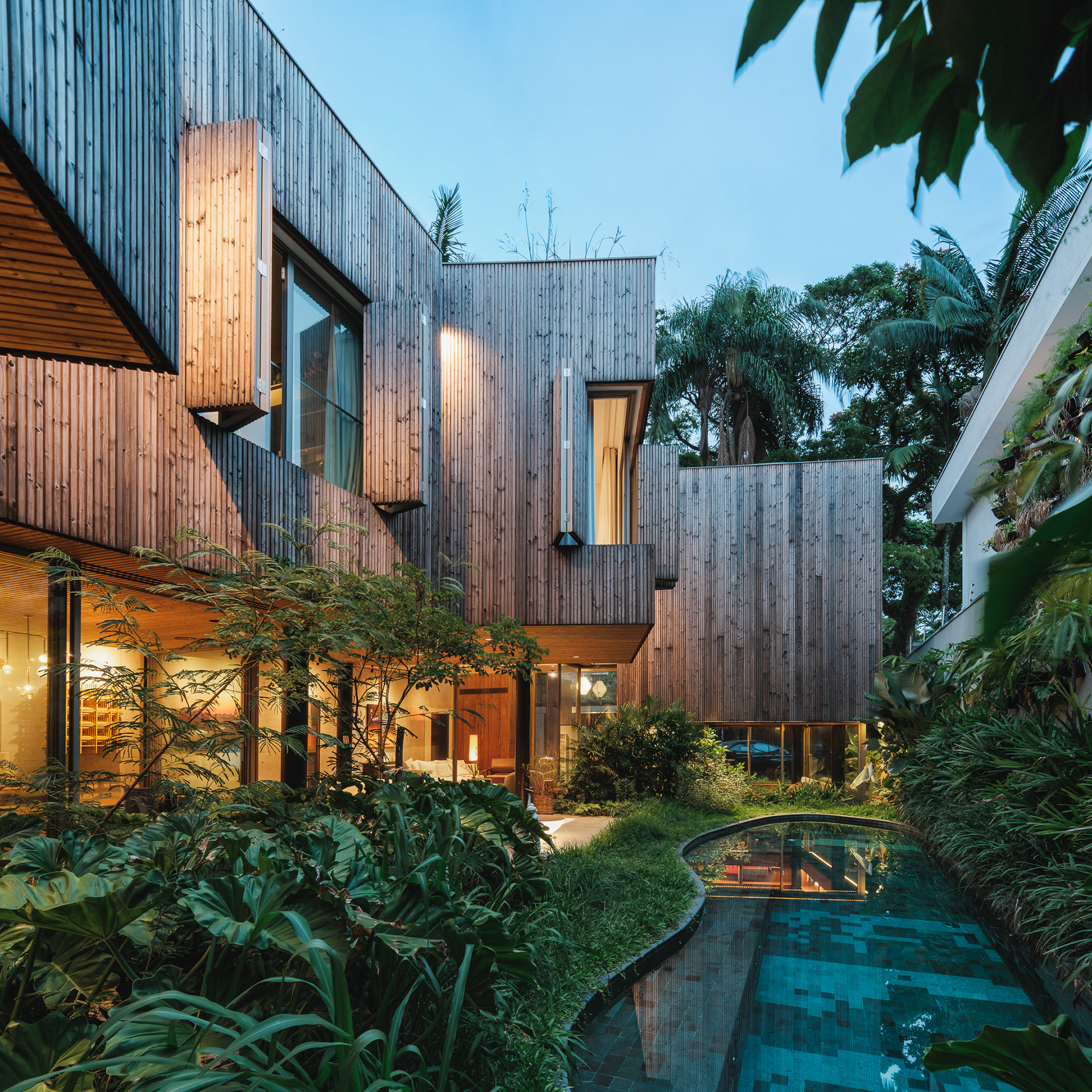
Construed in one of São Paulo’s most tree-lined neighborhoods, this house occupies a small plot, or rather, it tries not to occupy it. The project’s primary goal was to maximize the outdoor area, making the garden the central element of the design.
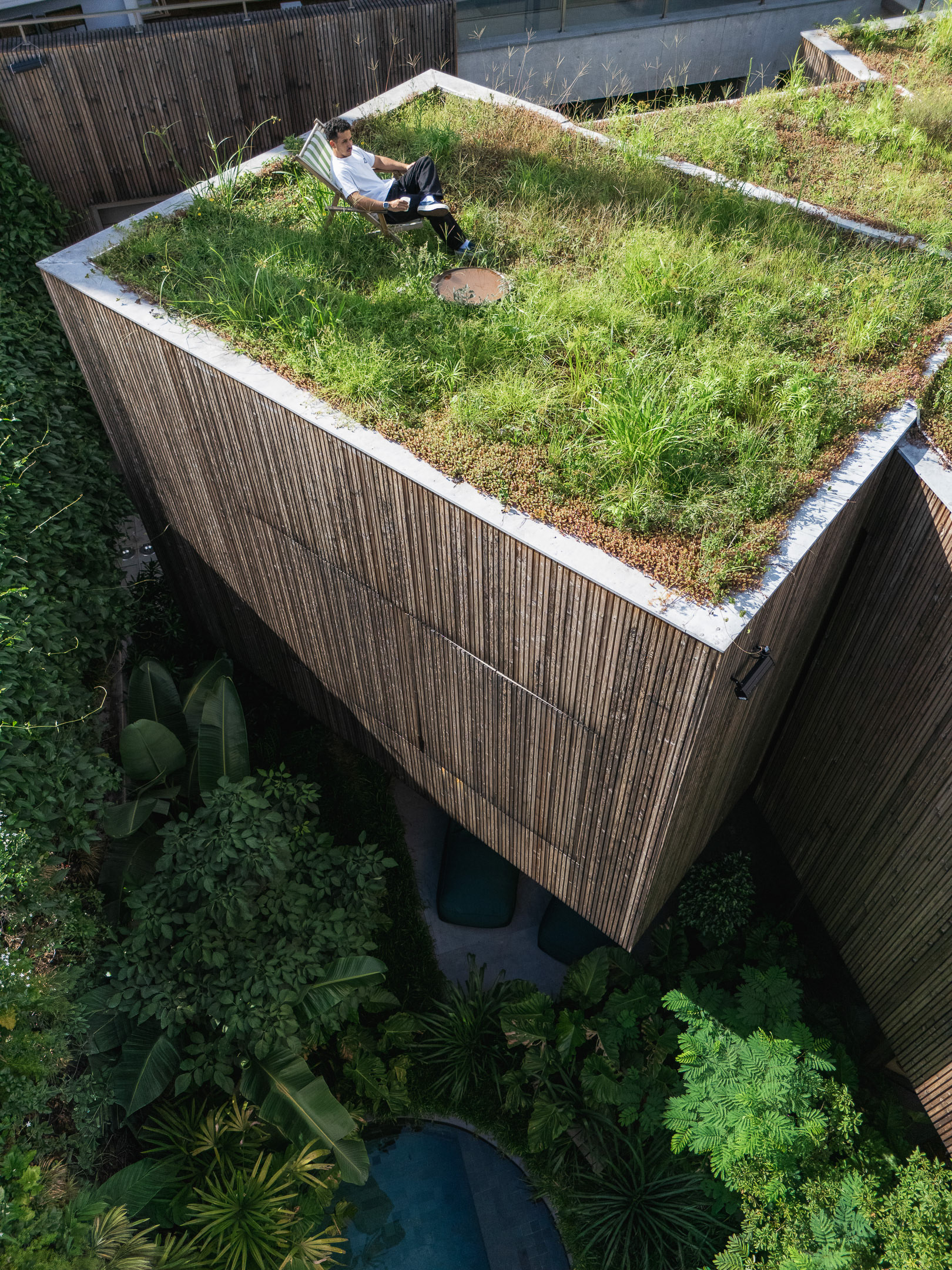
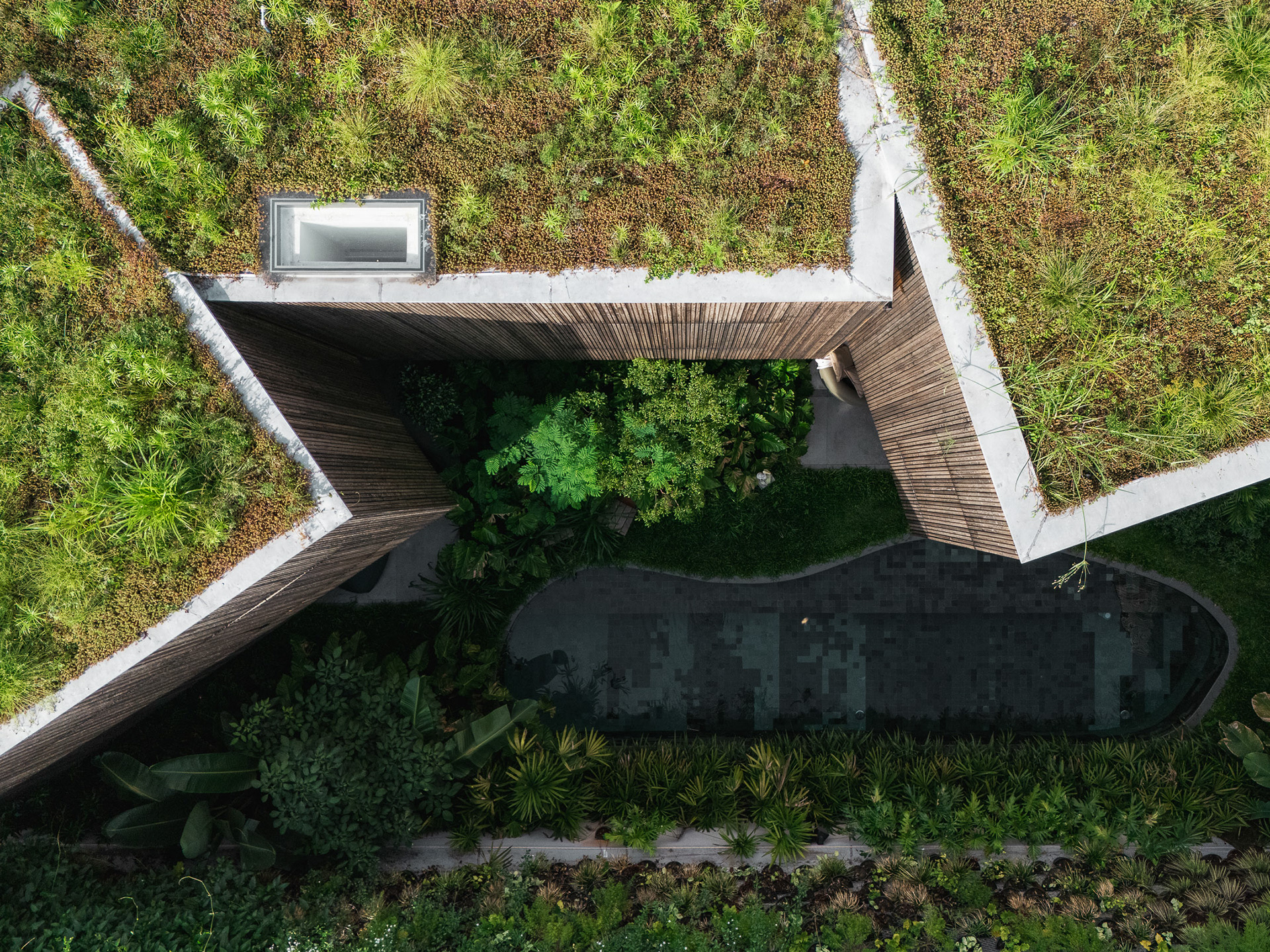
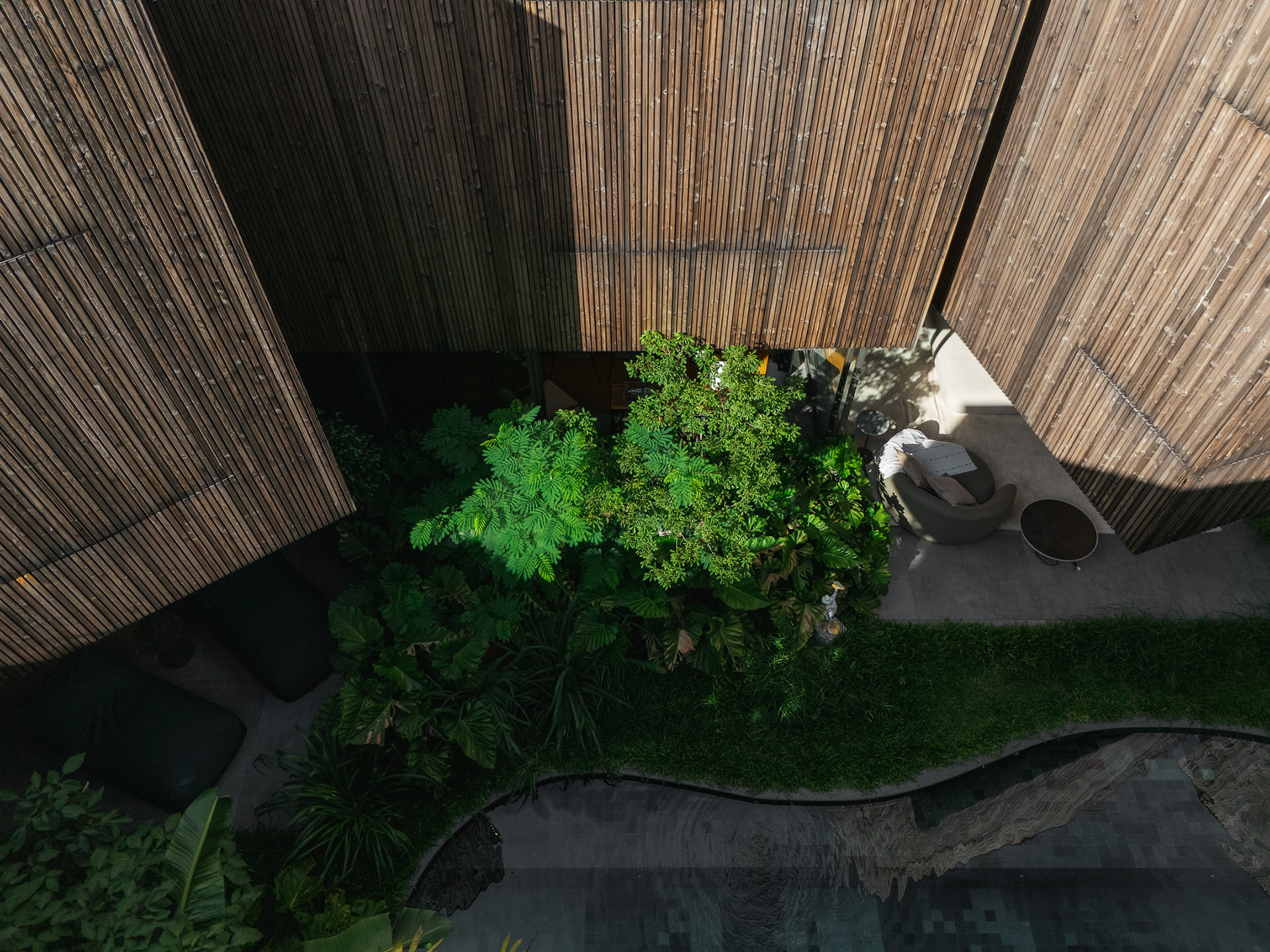
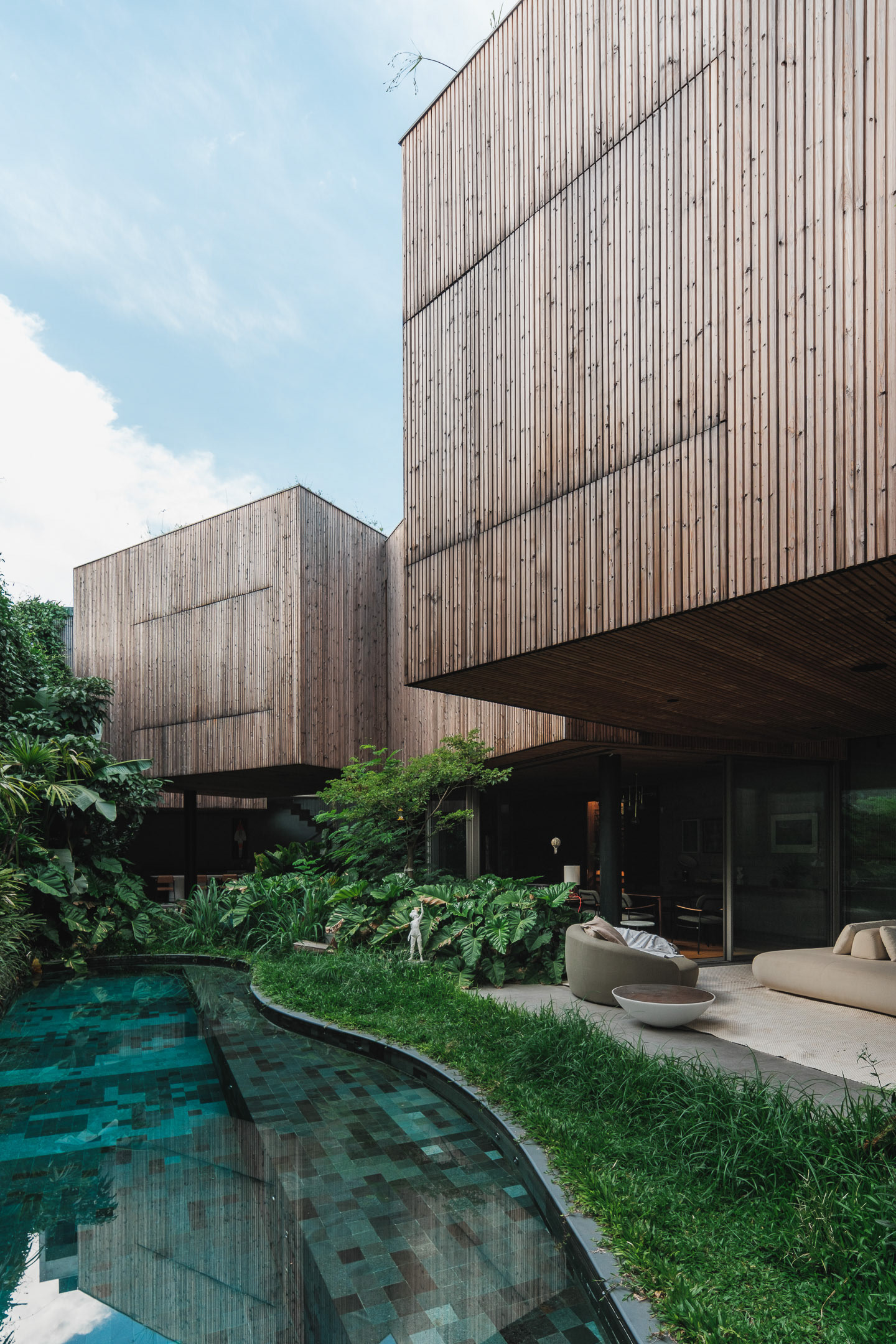
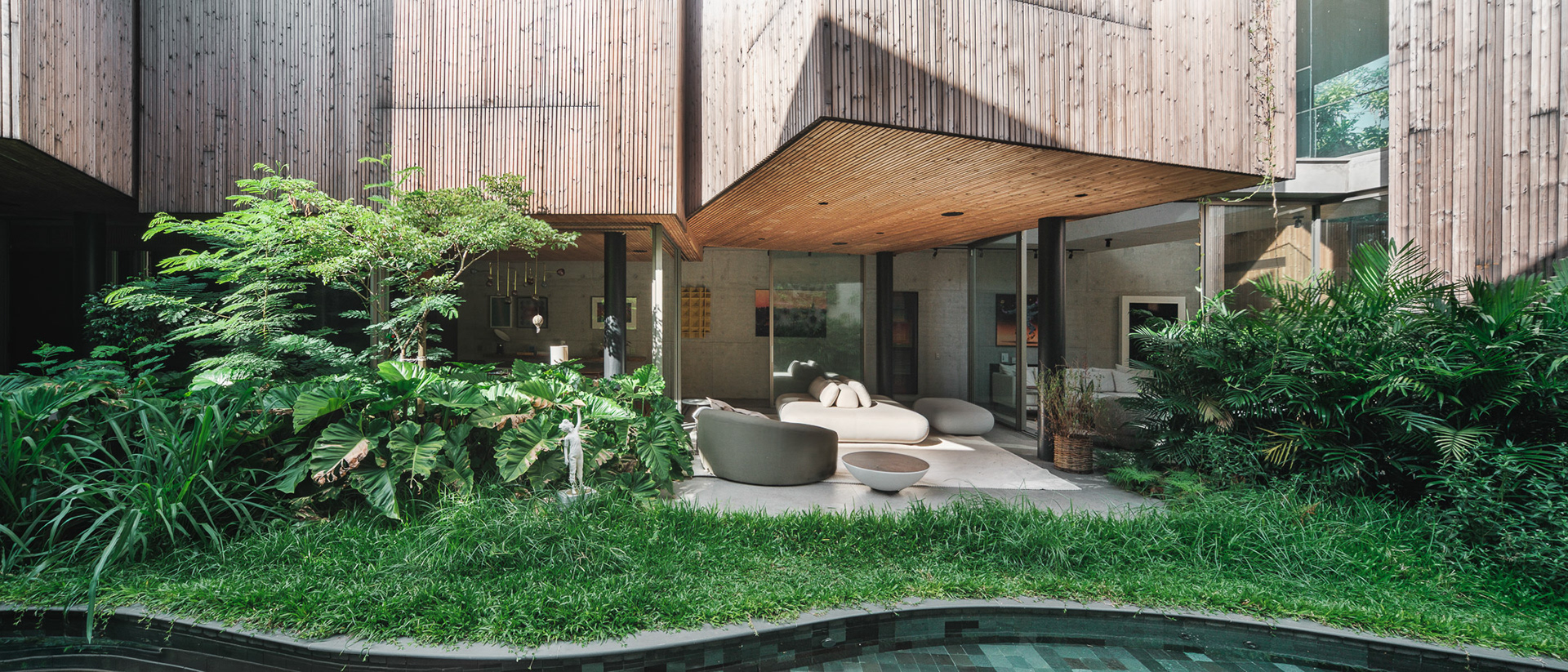
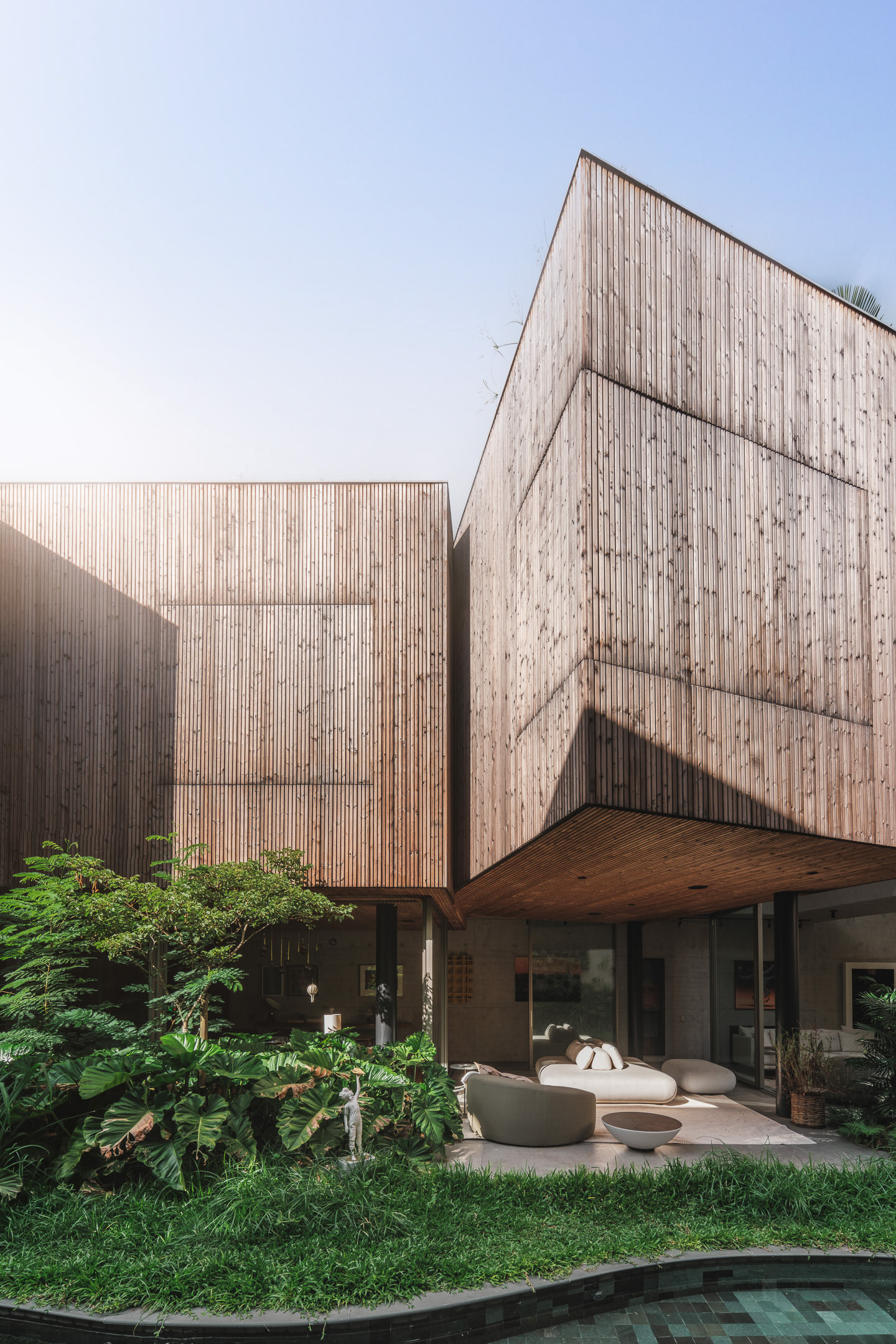
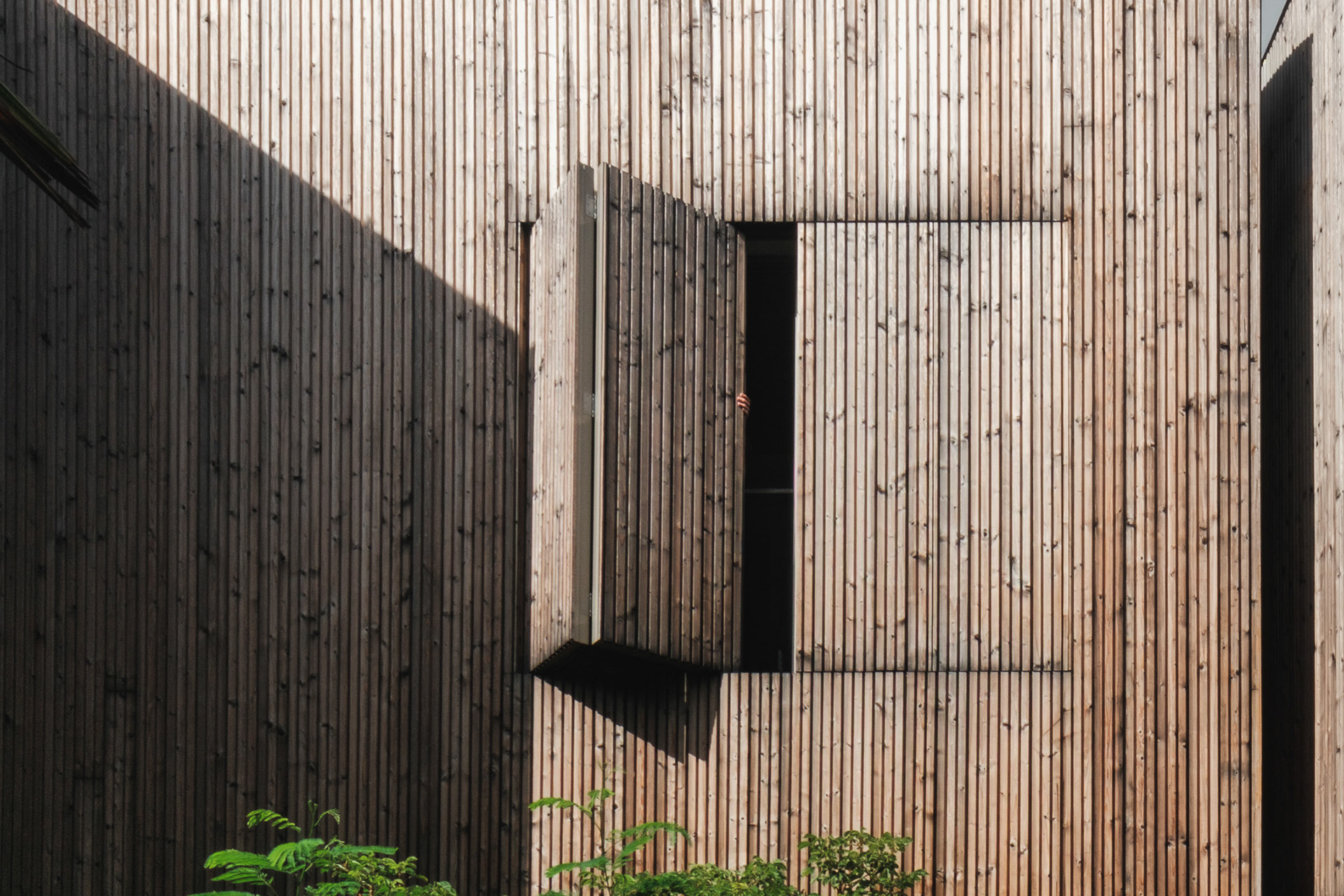
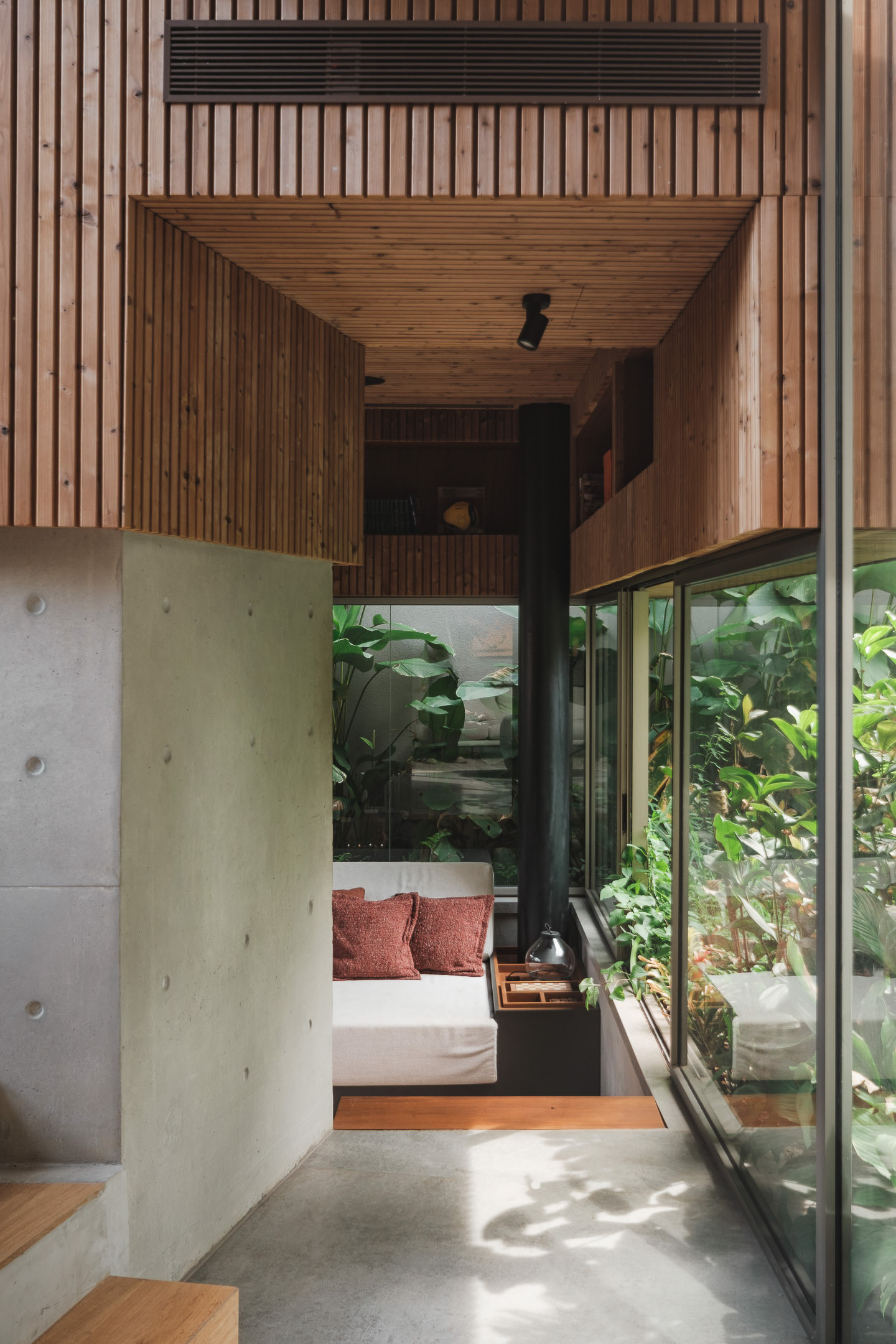
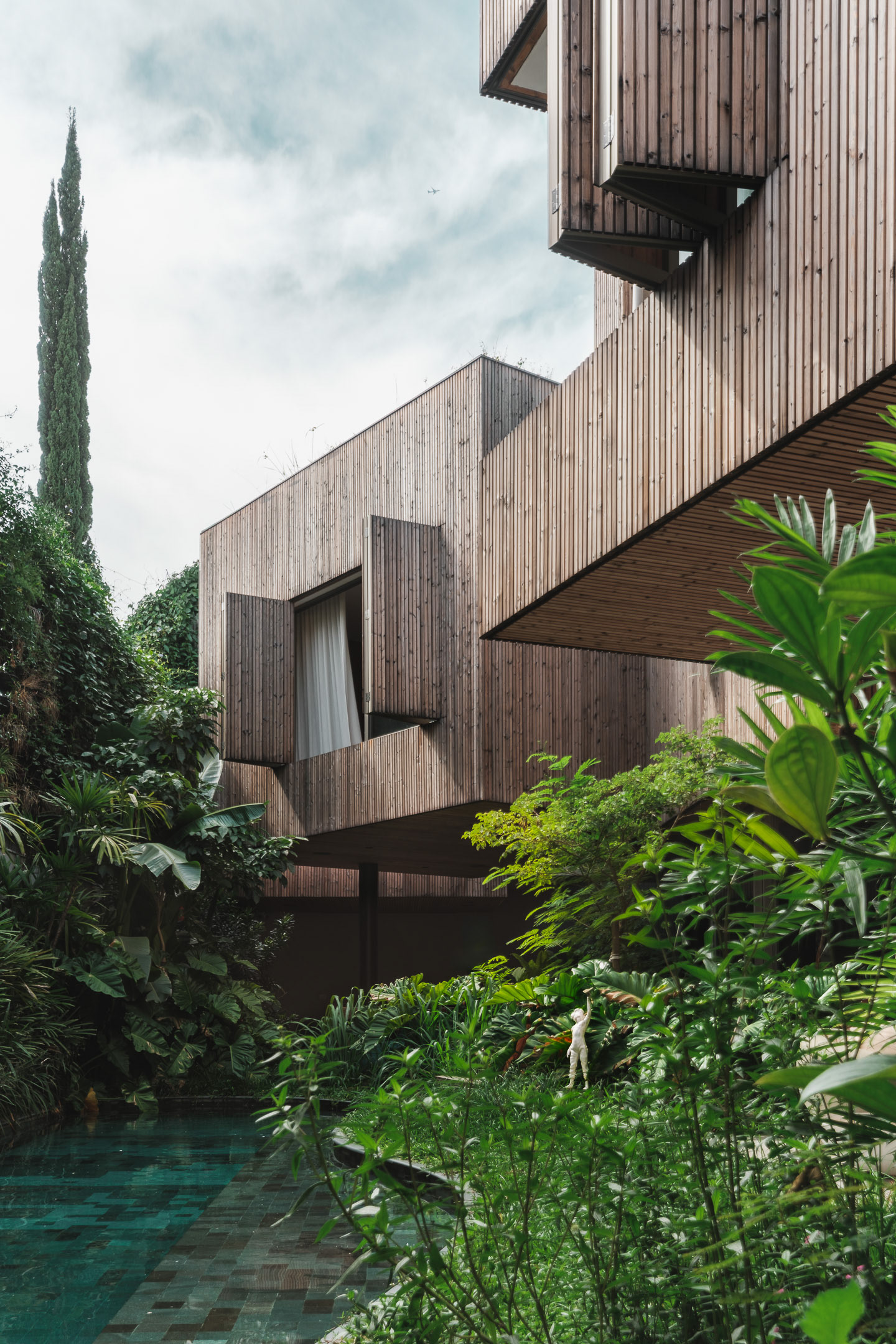
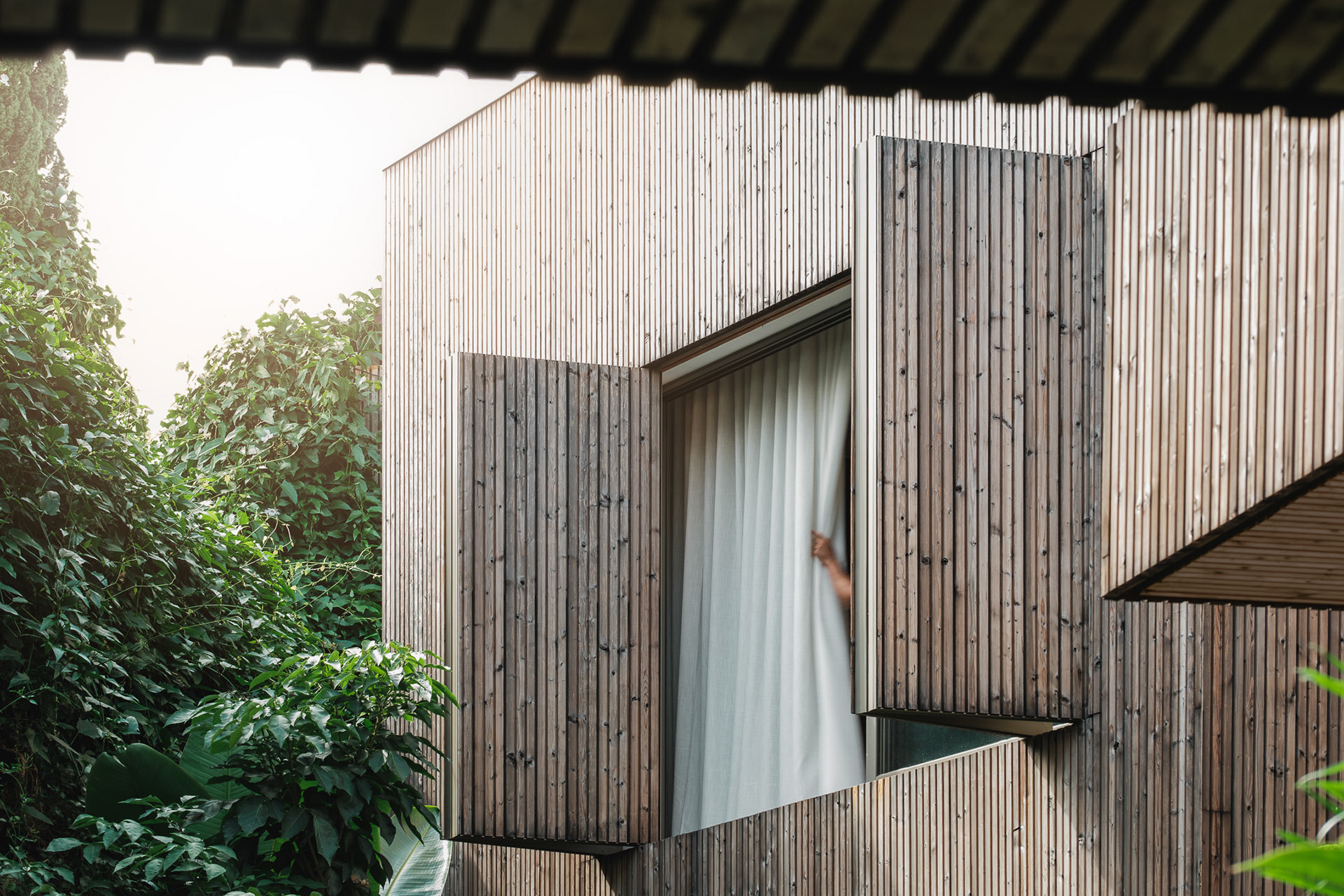
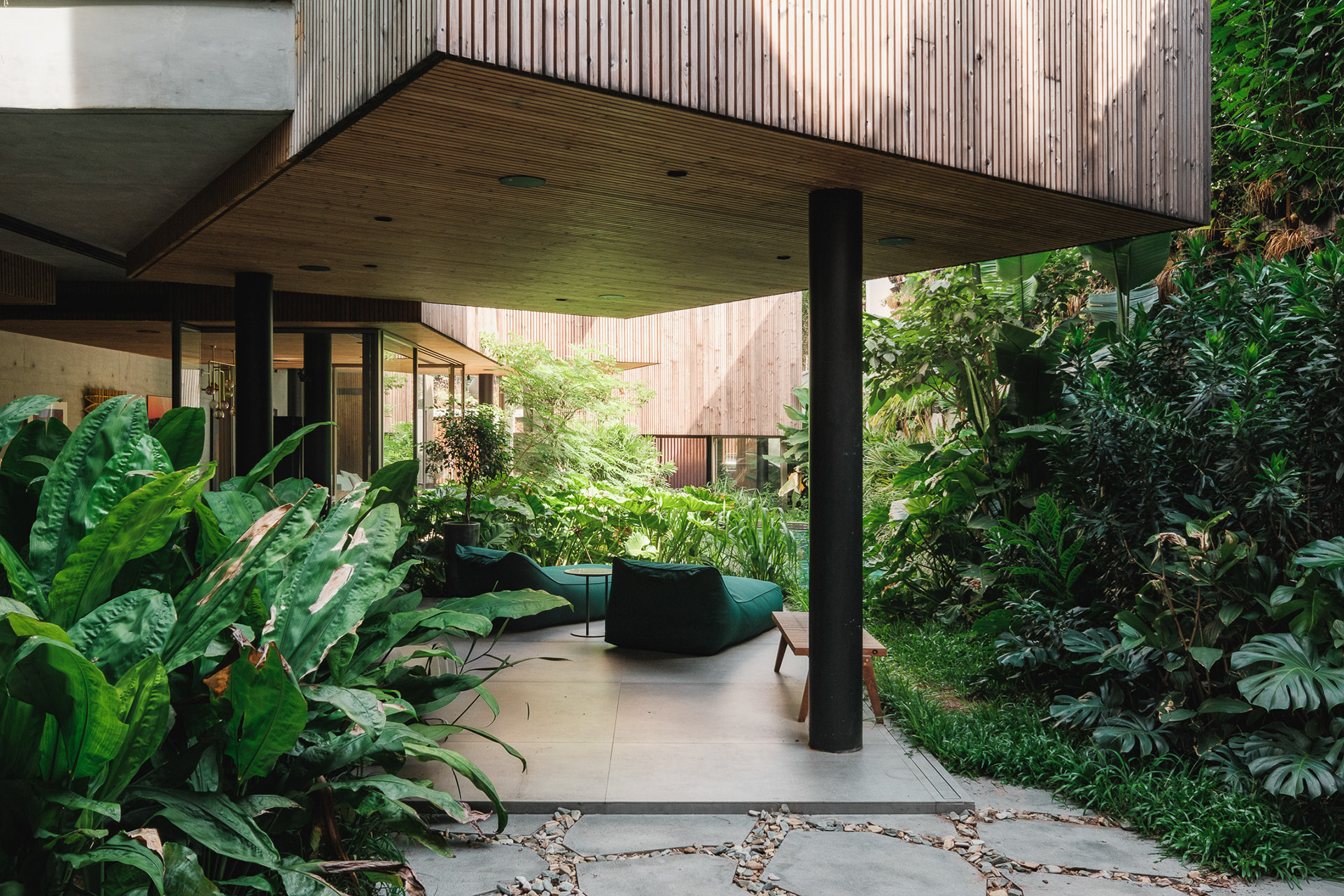
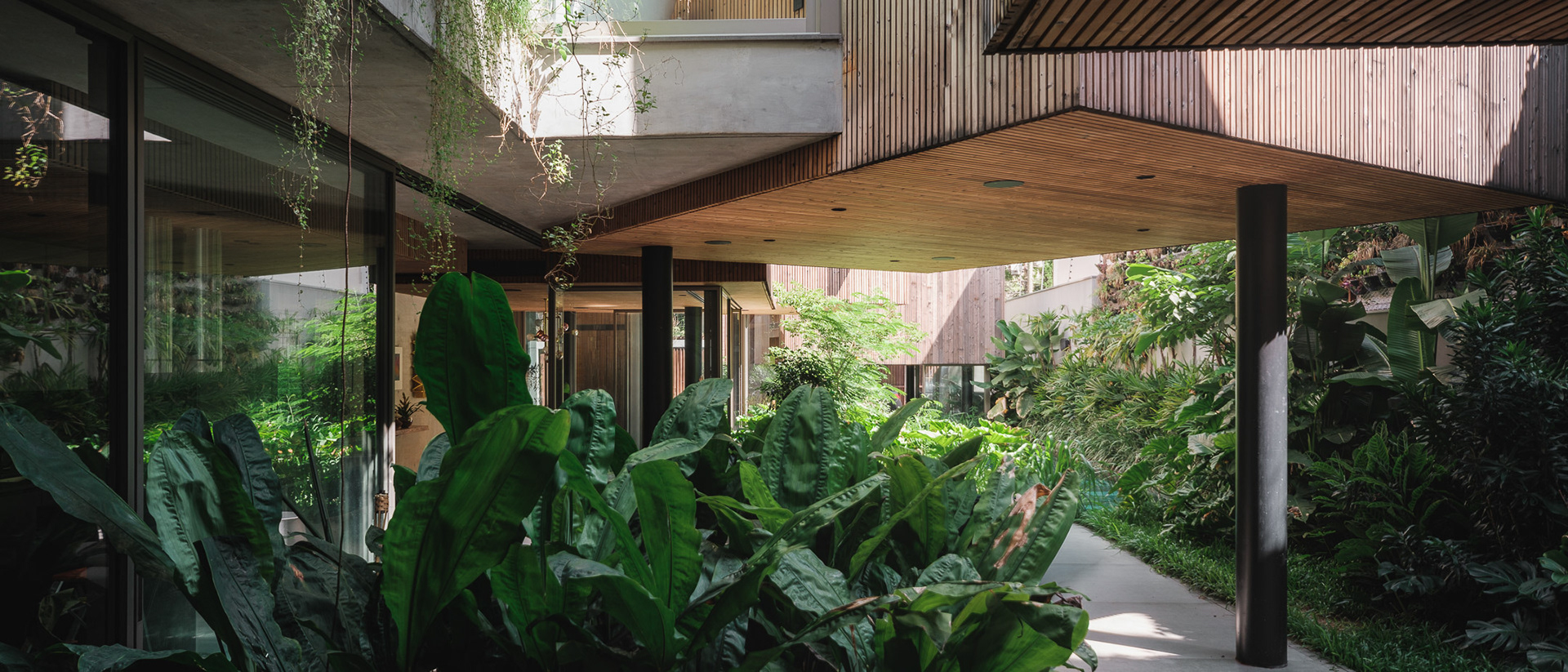
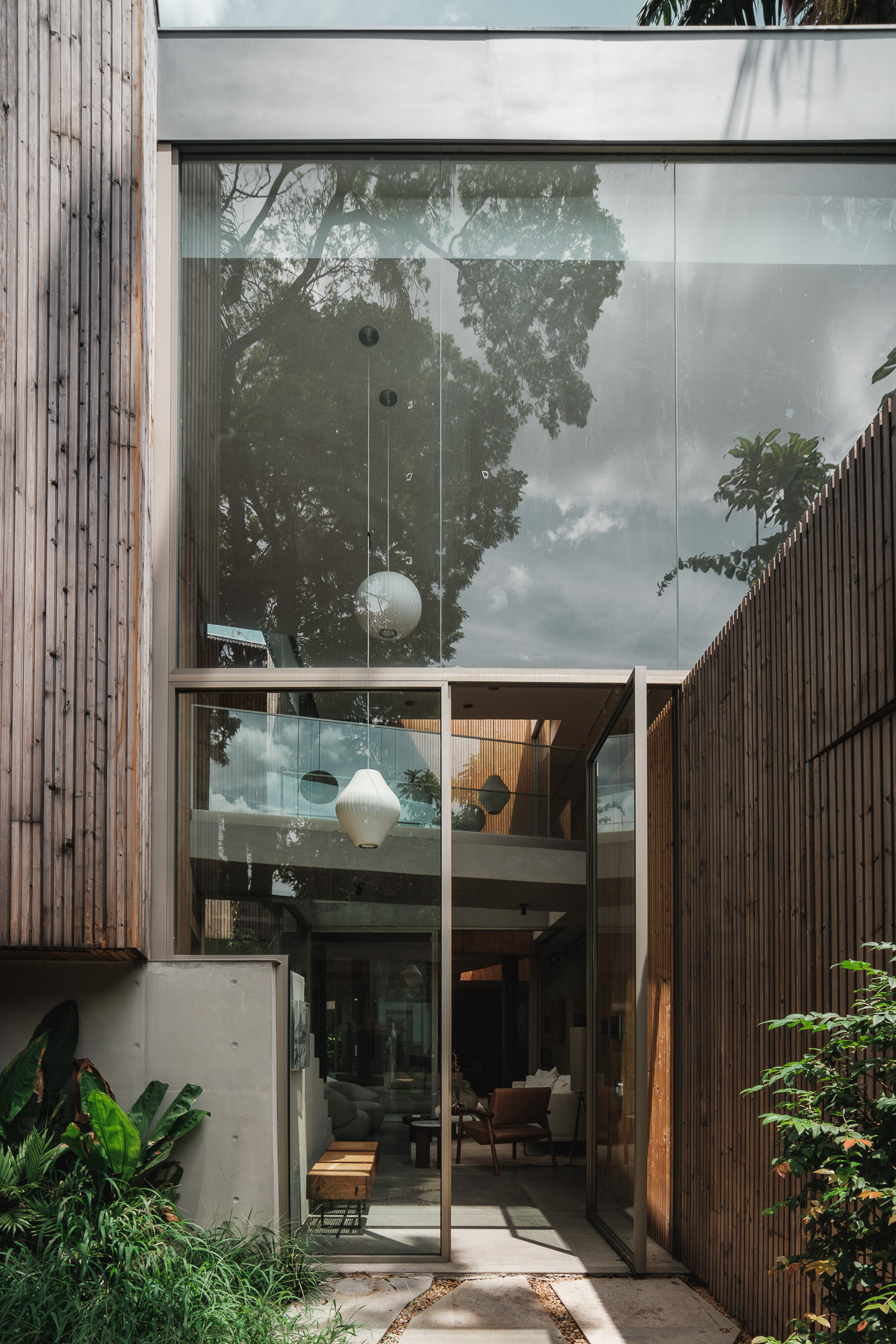
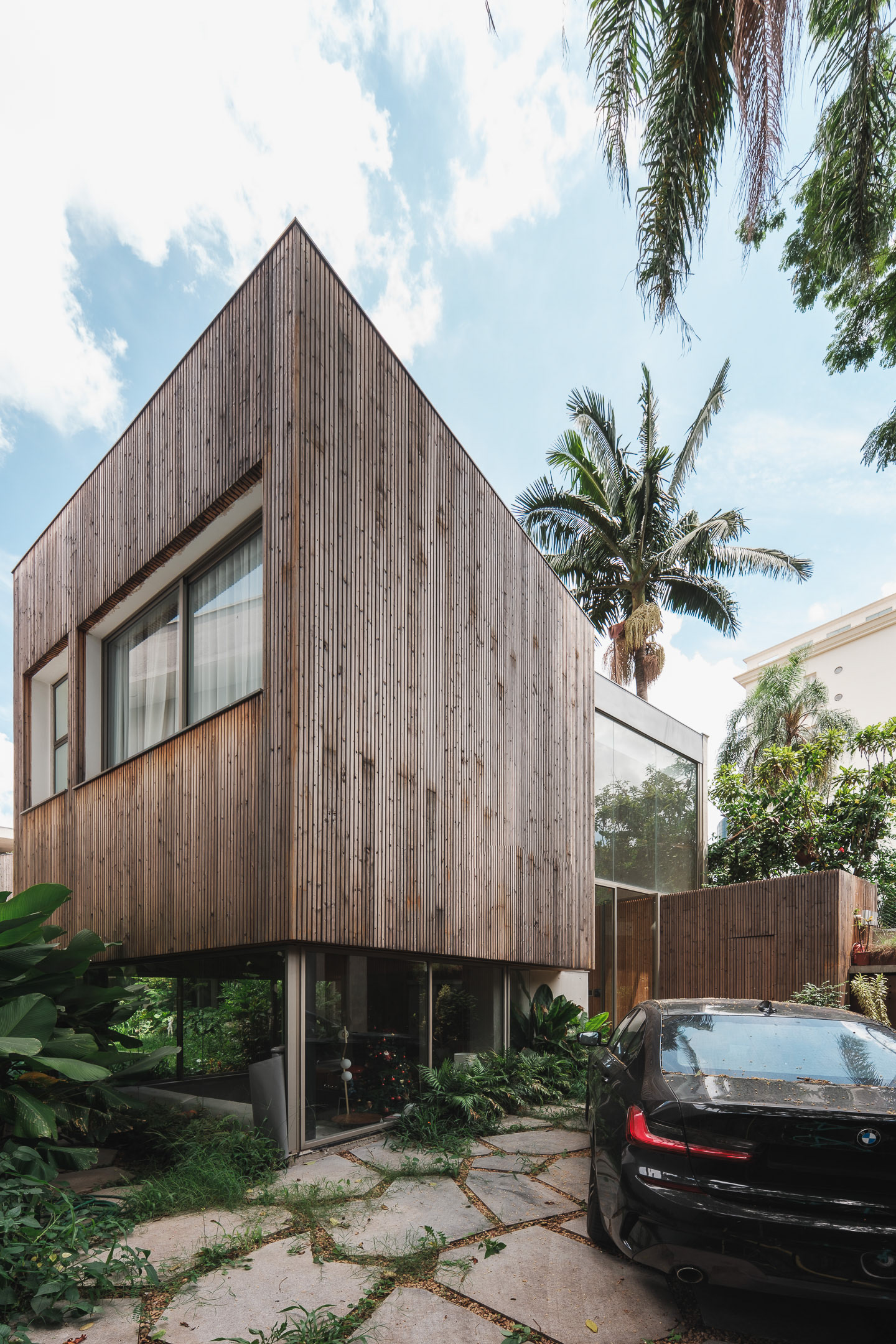
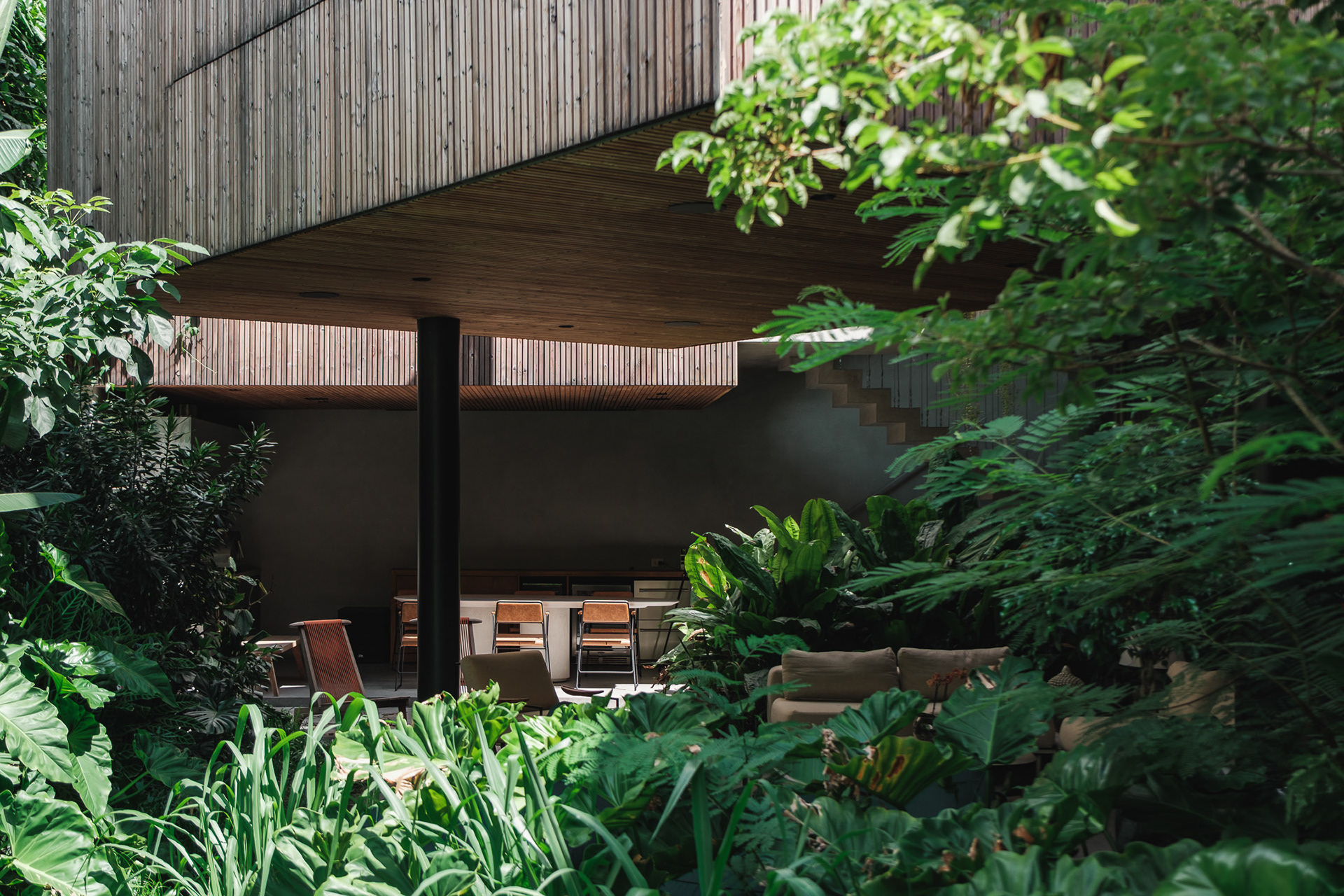
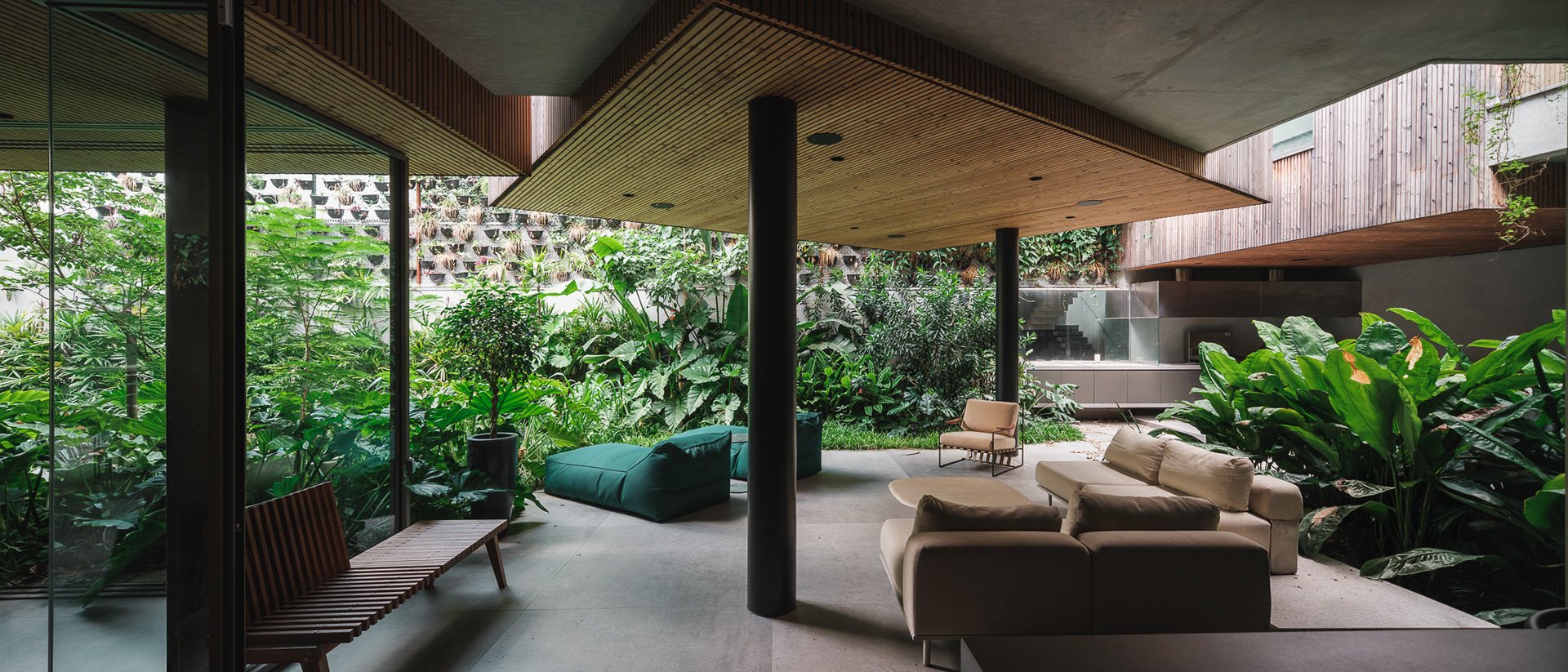
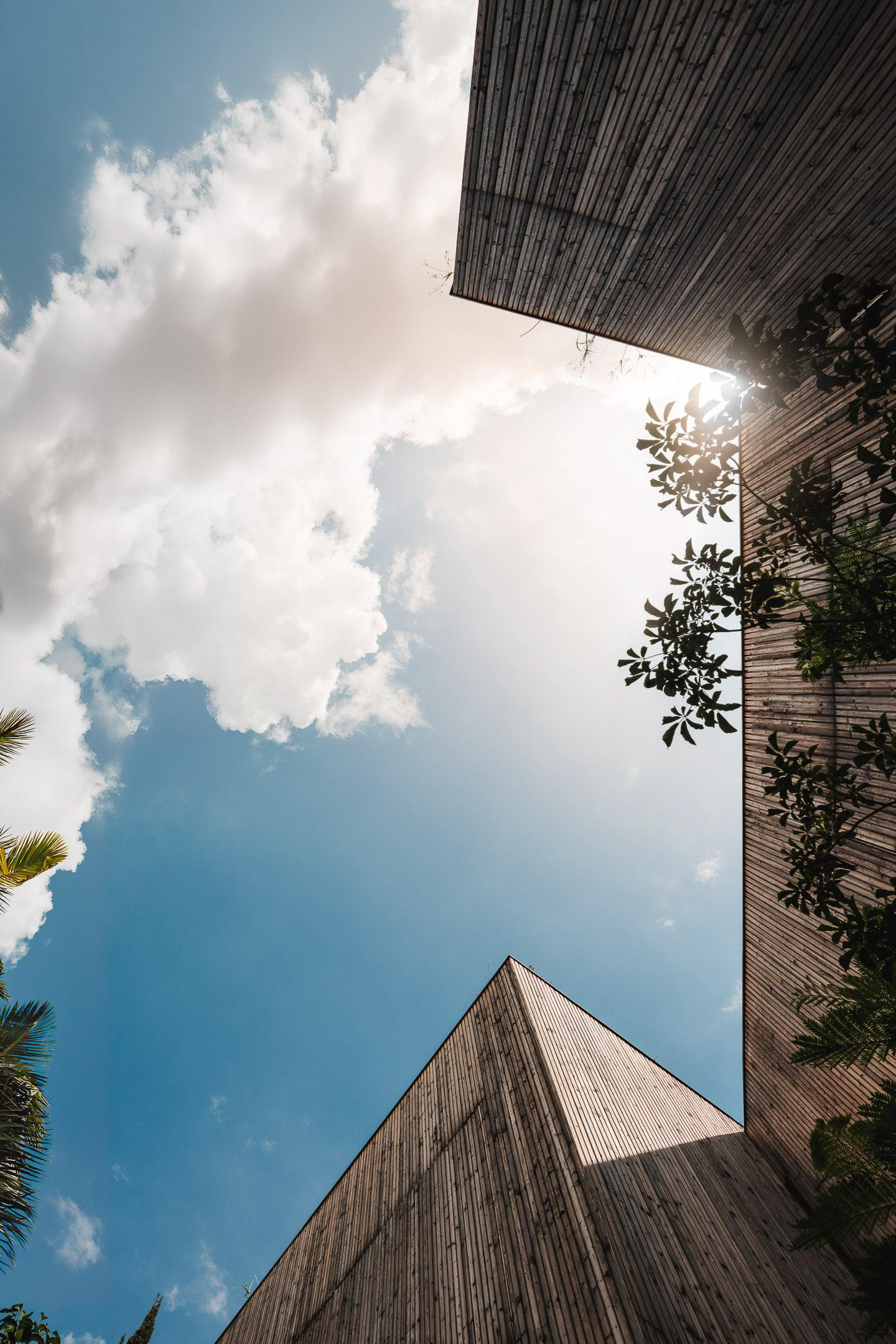
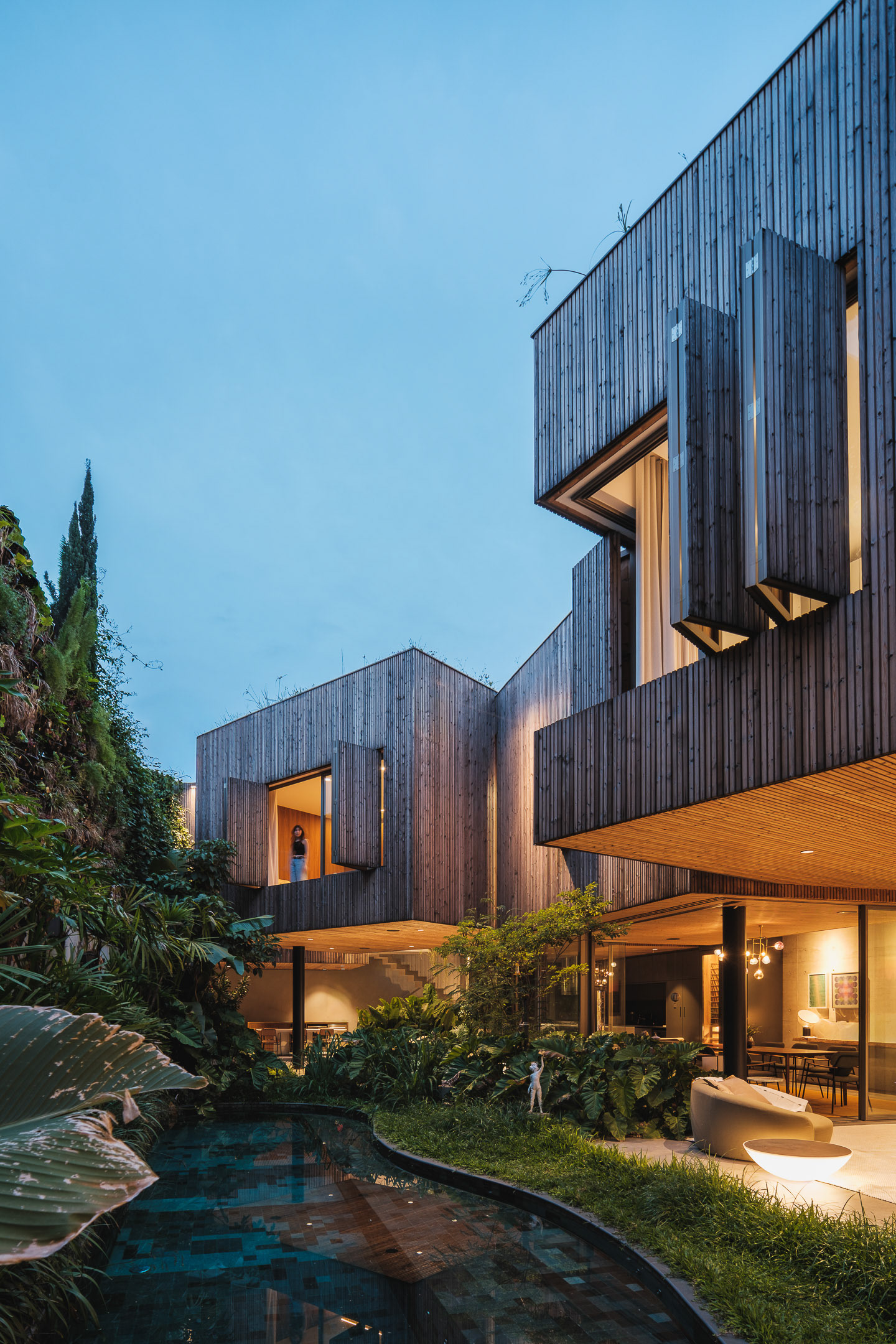
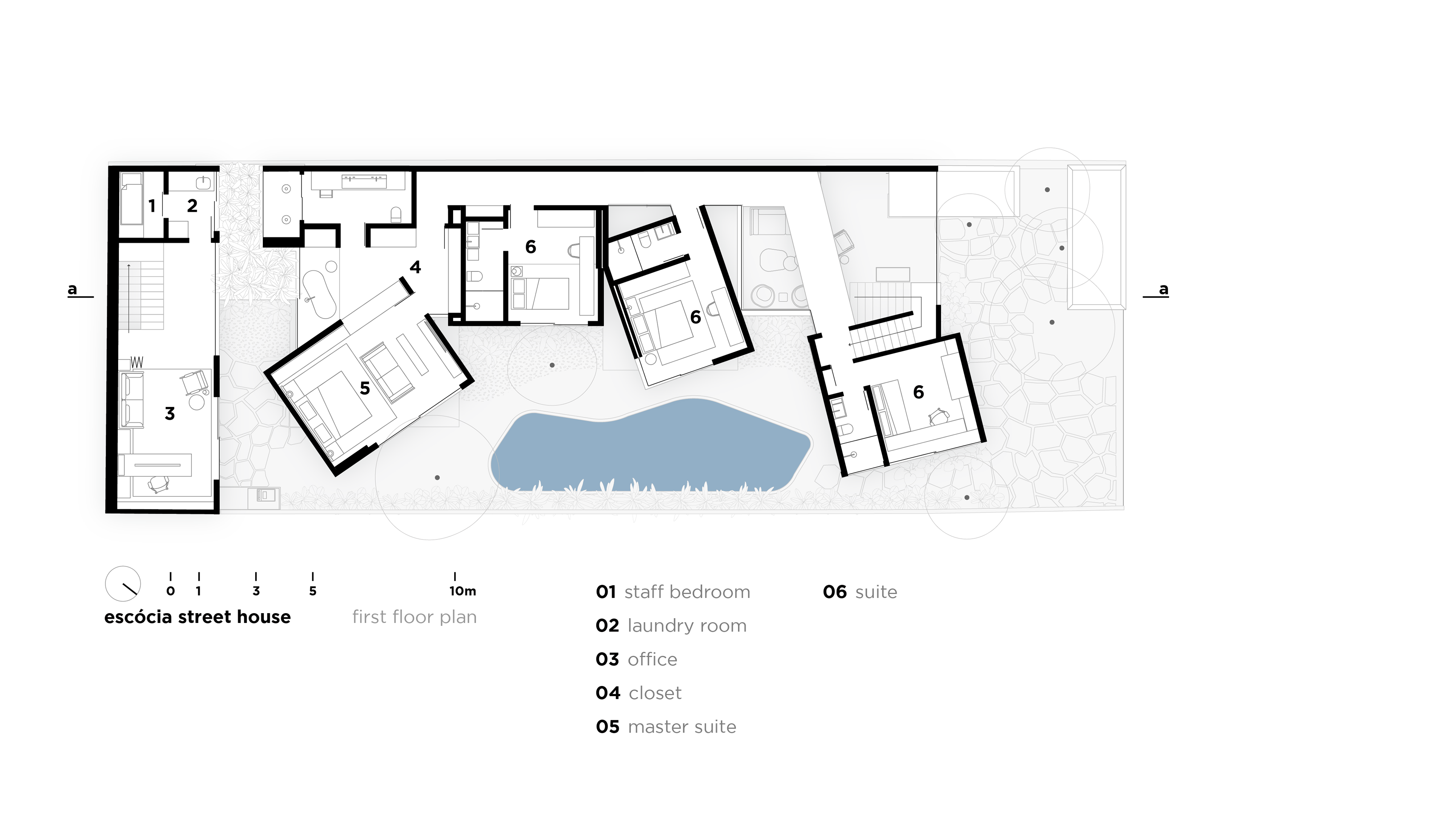
To achieve this, the ground floor spaces have a relatively modest enclosed footprint, with glass façades that allow unrestricted visual connection and, when desired, physical integration through large openings. Above, more enclosed geometric volumes hover over the site, housing the bedrooms. Freely juxtaposed, these volumes create a less rigid composition. Symbolically, they can be understood as the “tree canopies,” shading and protecting the circulation beneath, which winds through the “trunks” (columns) that form a small grove.
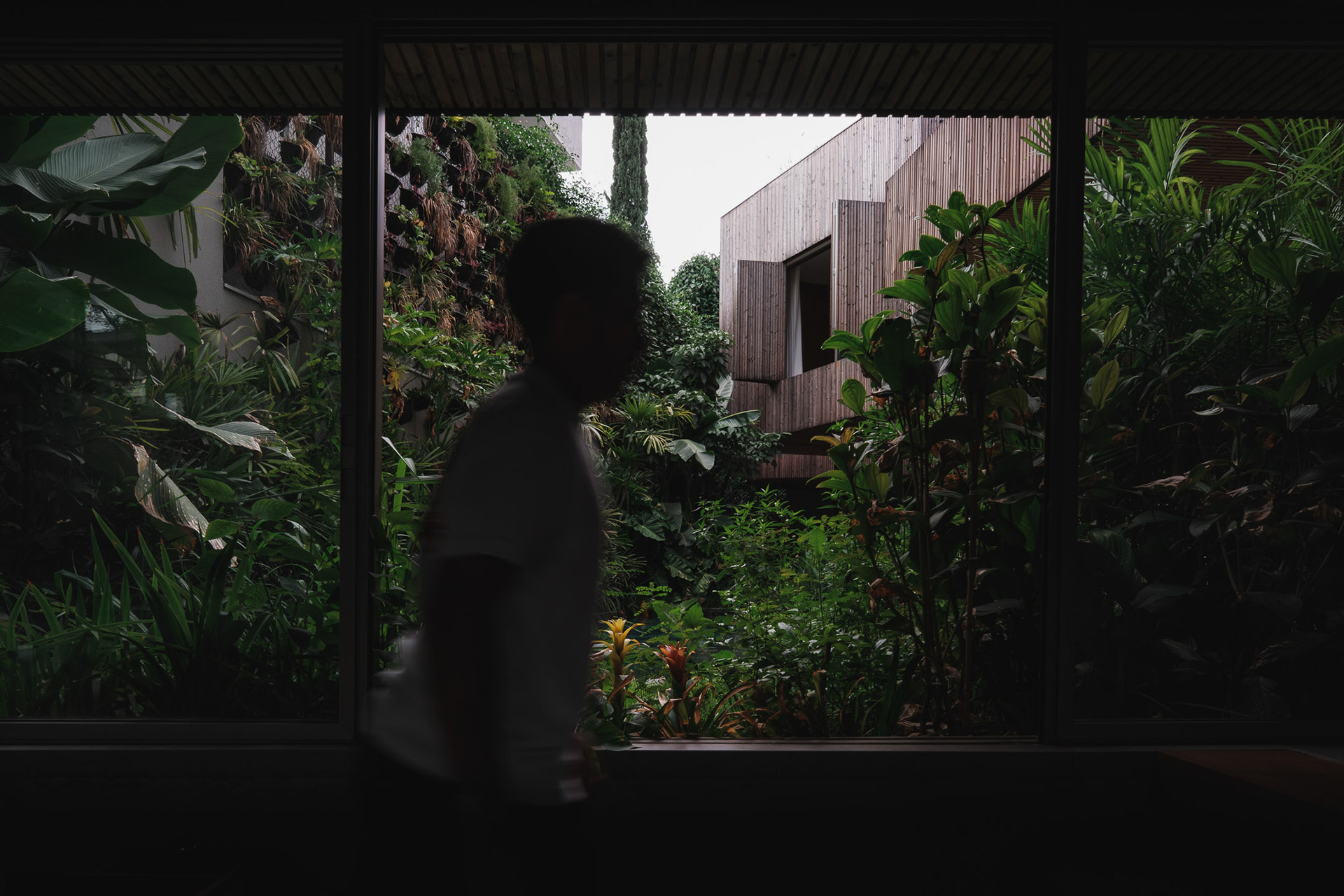
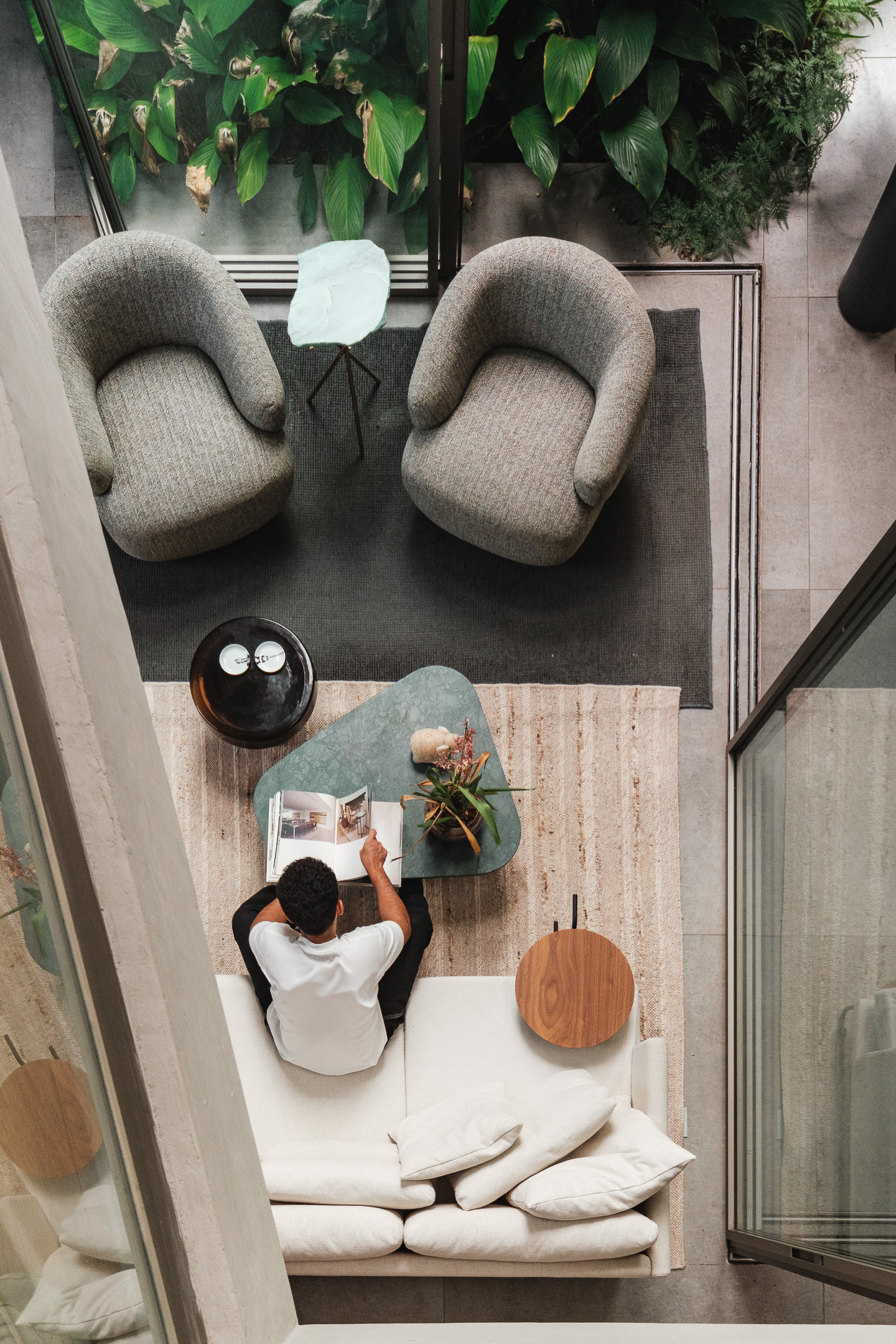
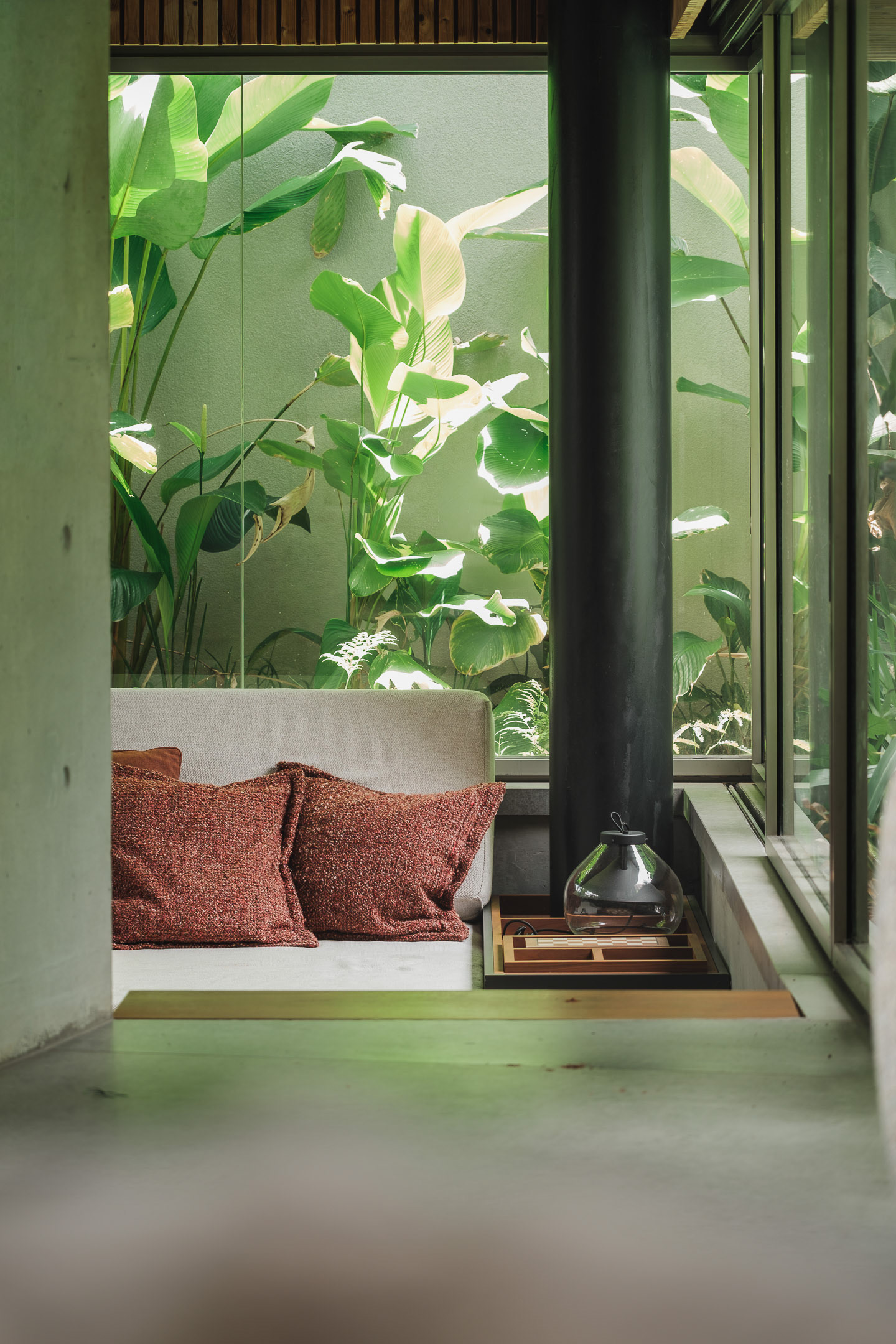
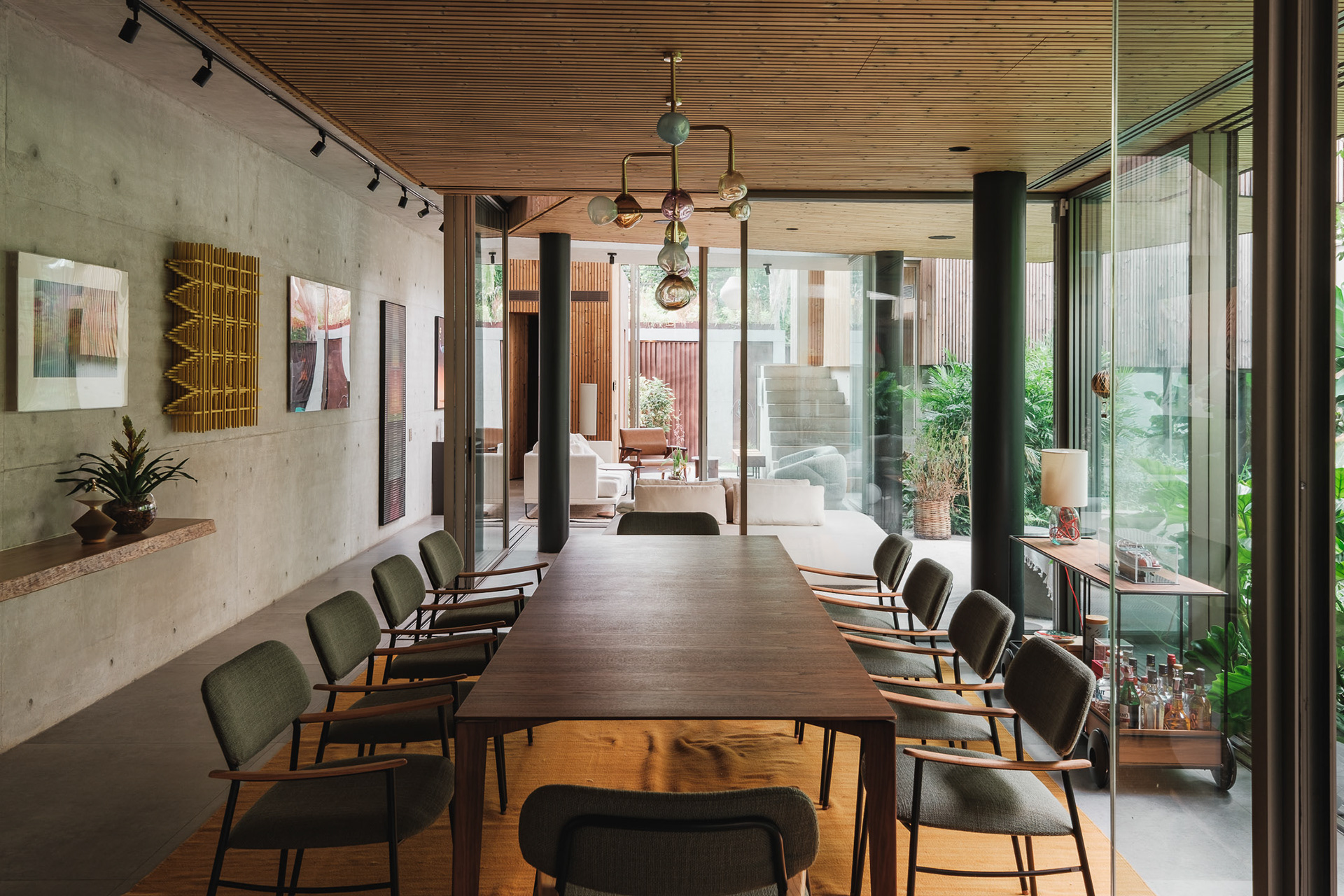
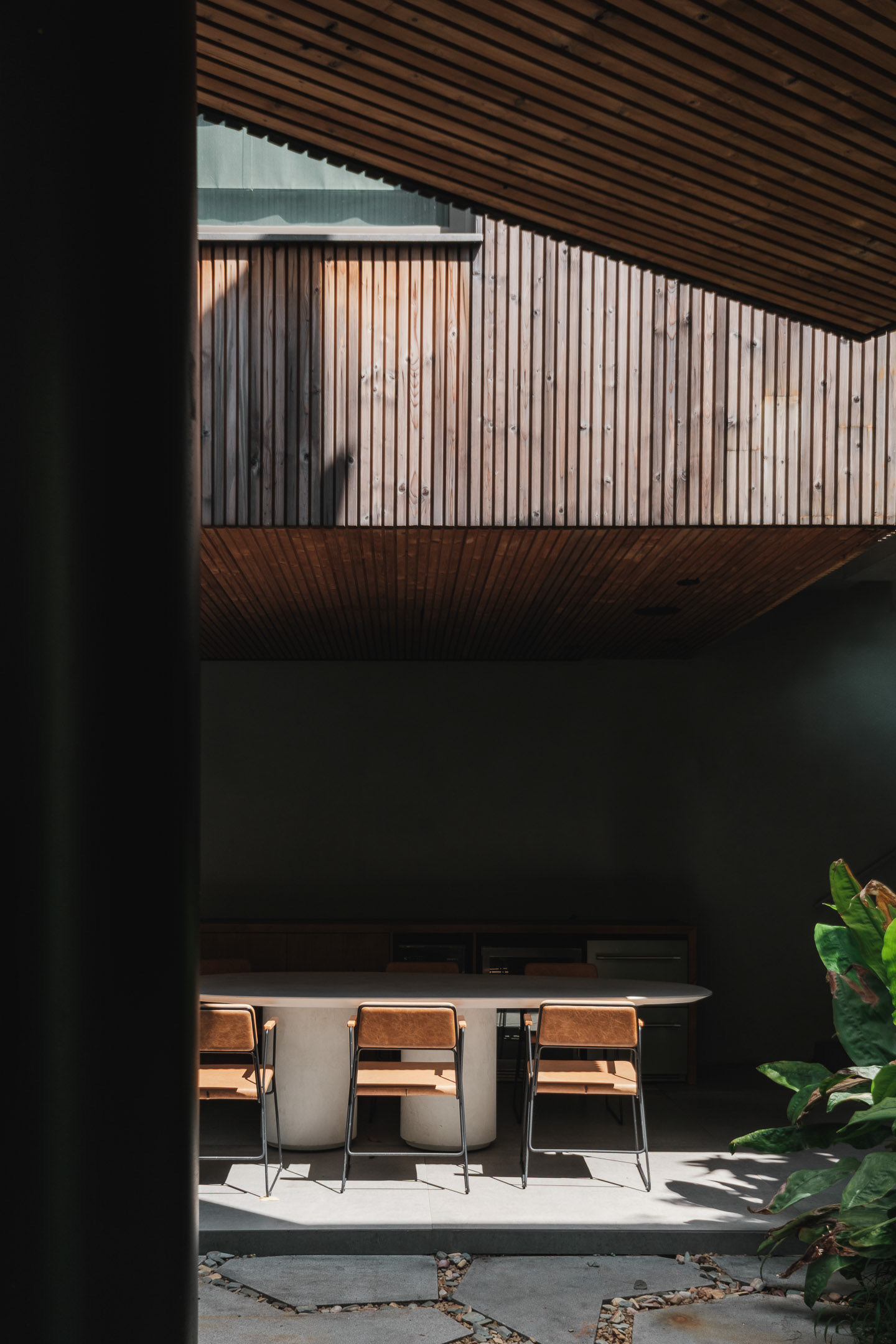
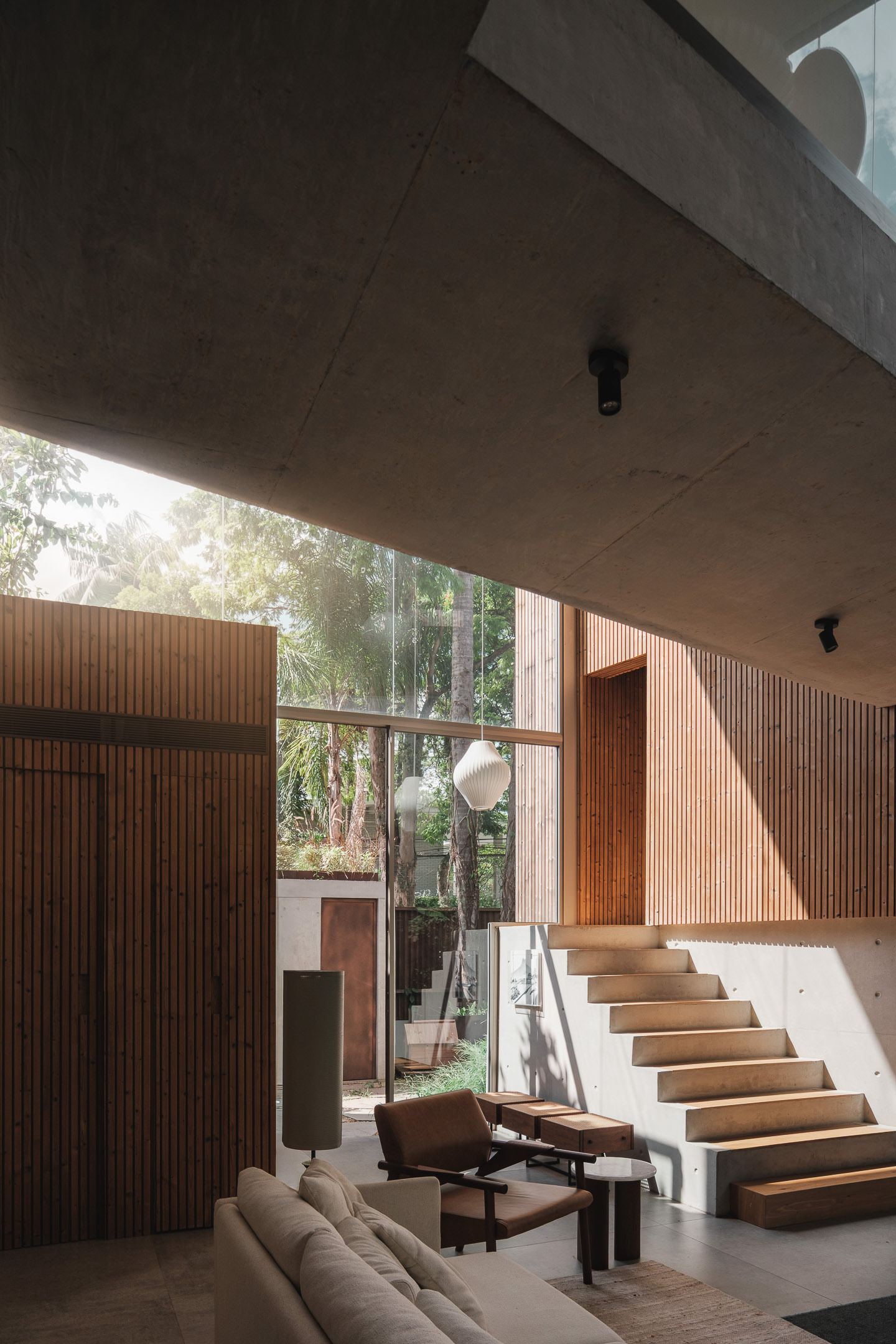
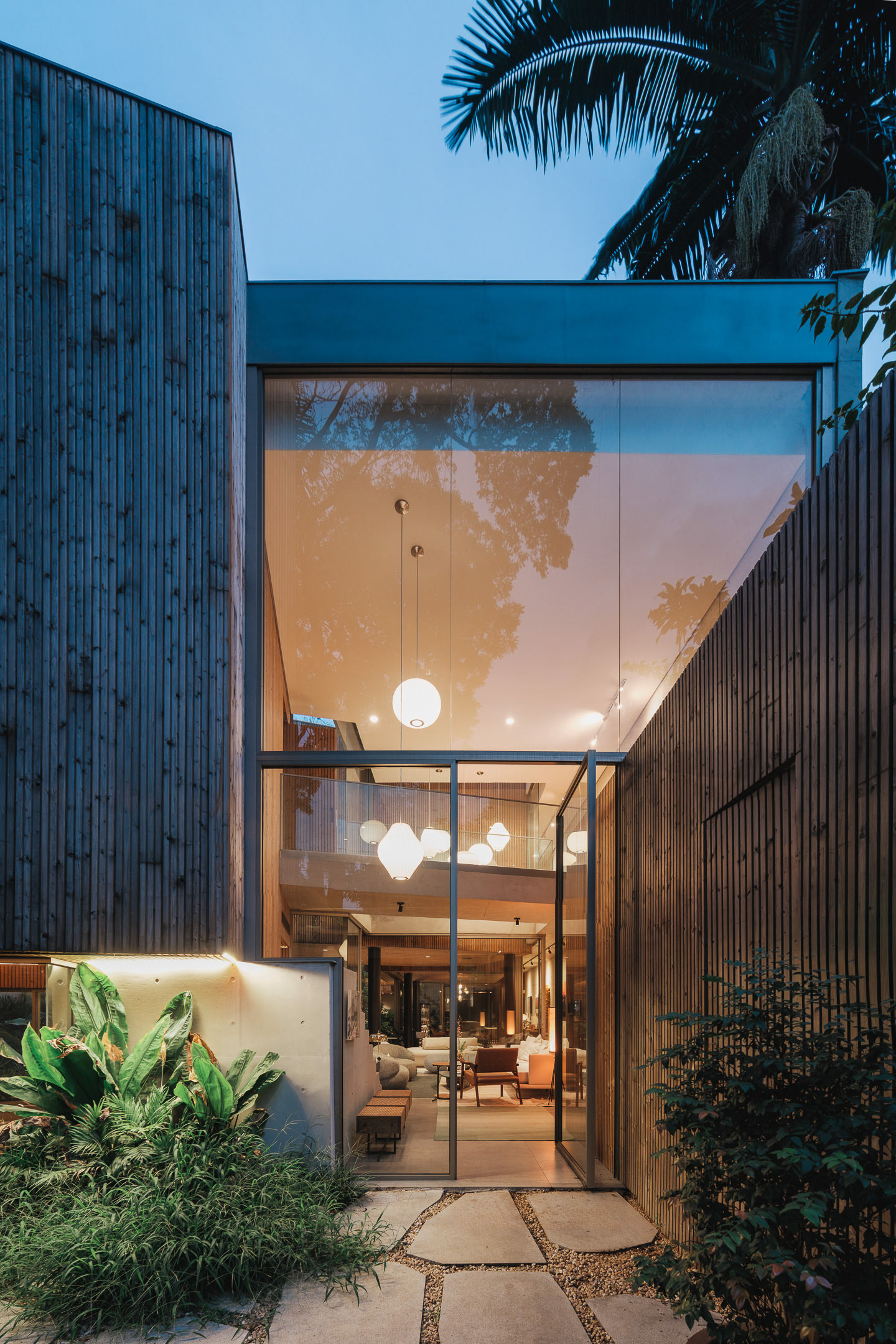
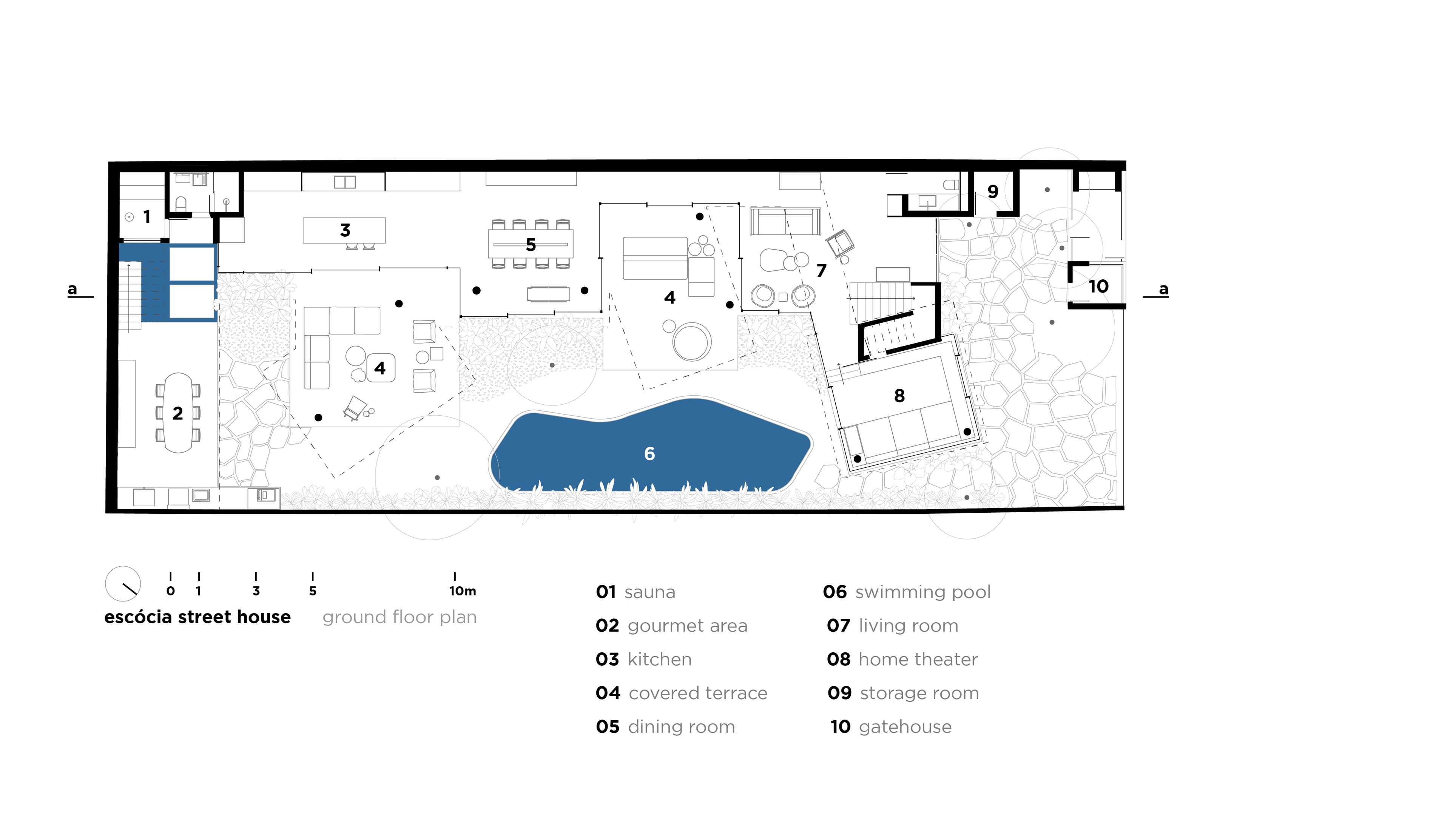
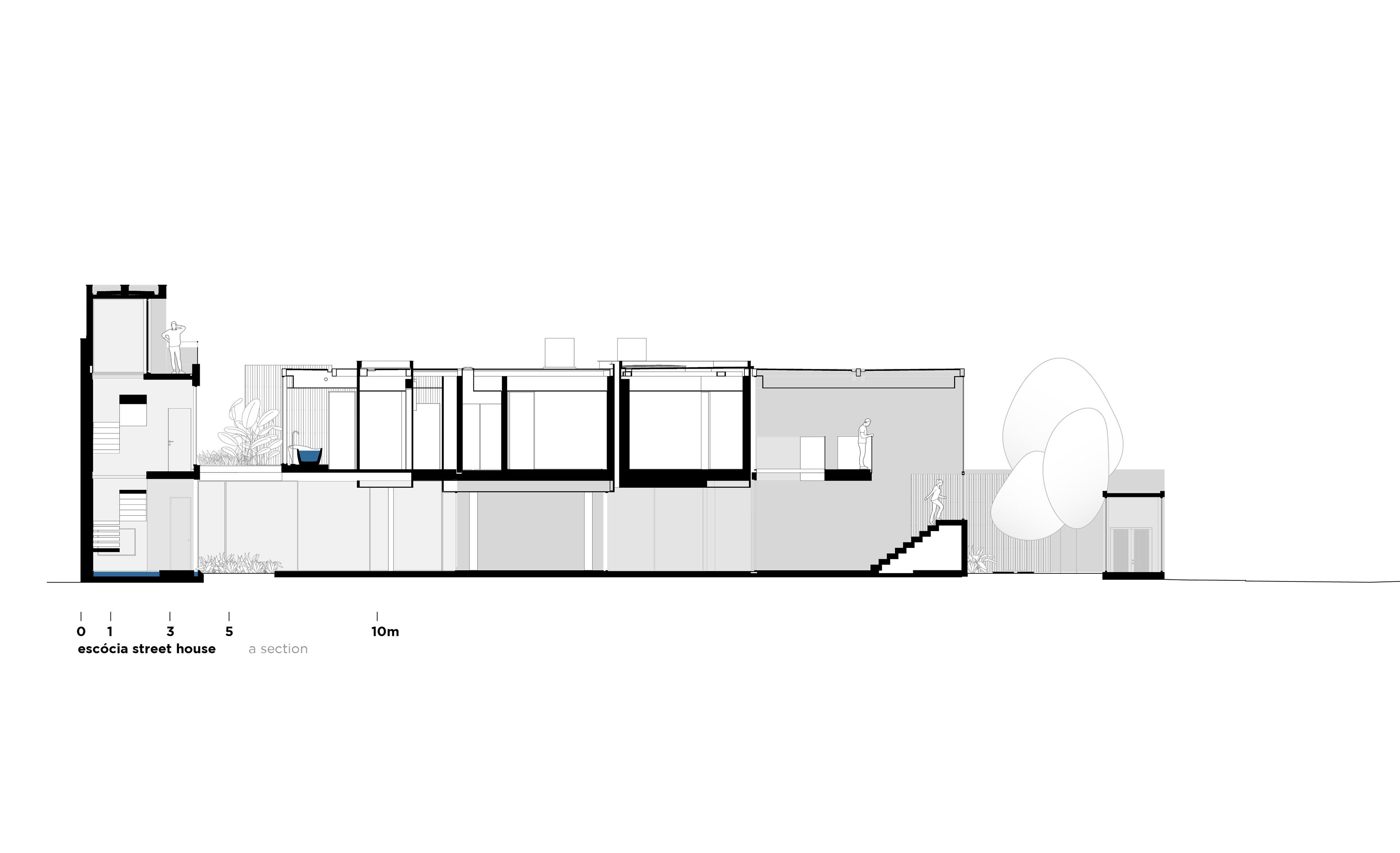
The entrance is through a double-height living room that immediately reveals views of the entire ground floor and the surrounding garden. To the left, a sunken and more secluded lounge functions as a home theater. Although it requires greater light control, the space includes a narrow glass opening that frames the garden from a different perspective. Extending from the living room, a covered terrace, dining room, and fully integrated kitchen are aligned in sequence. A second covered terrace facing the kitchen creates additional opportunities for outdoor living, in close contact with lush tropical vegetation and a small organic-shaped pool. At the rear of the plot, another open space functions as a terrace: the barbecue area located on the ground floor of the annex, which also accommodates a sauna at ground level, a comfortable office on the first floor, a laundry room, and a rooftop bar.
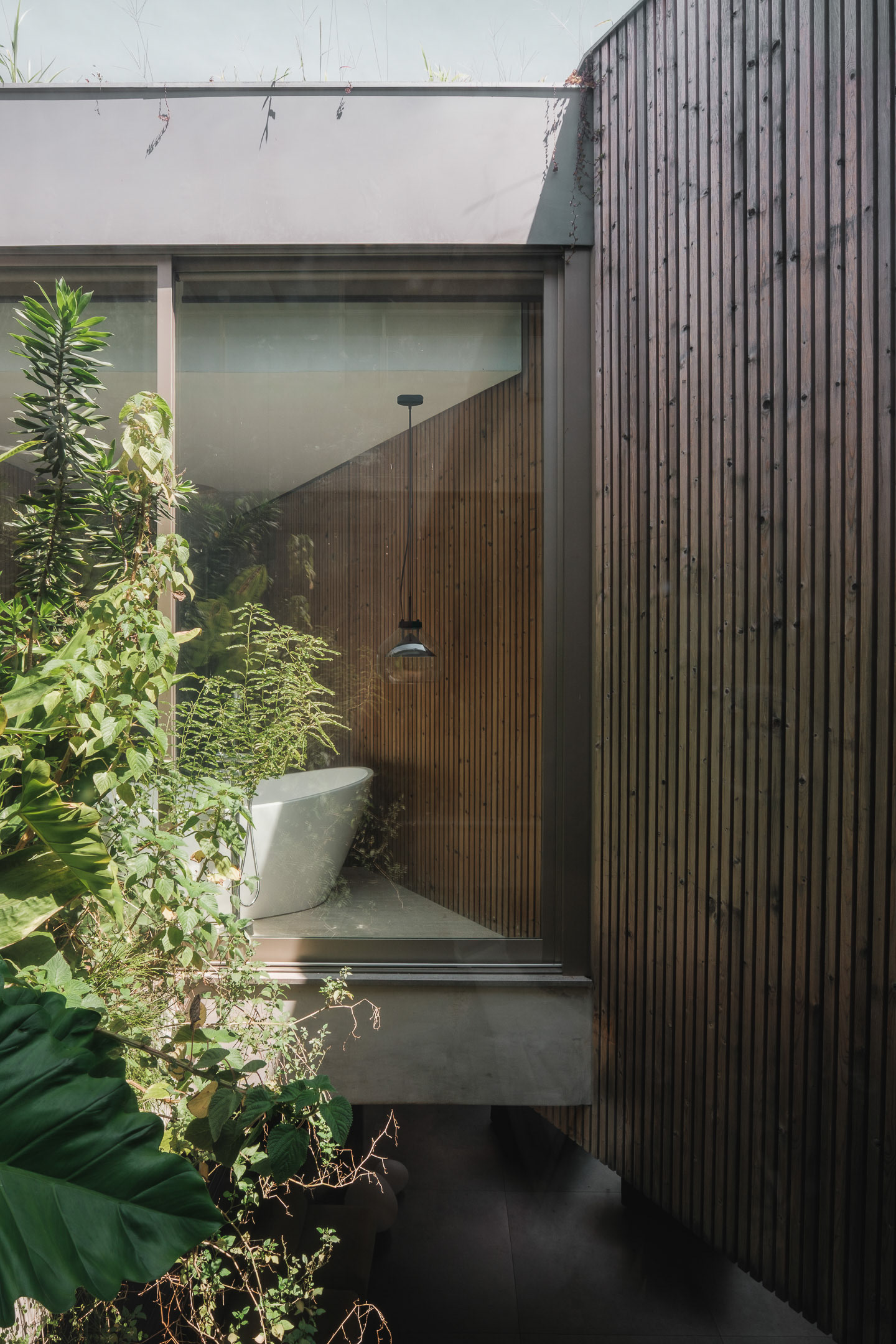
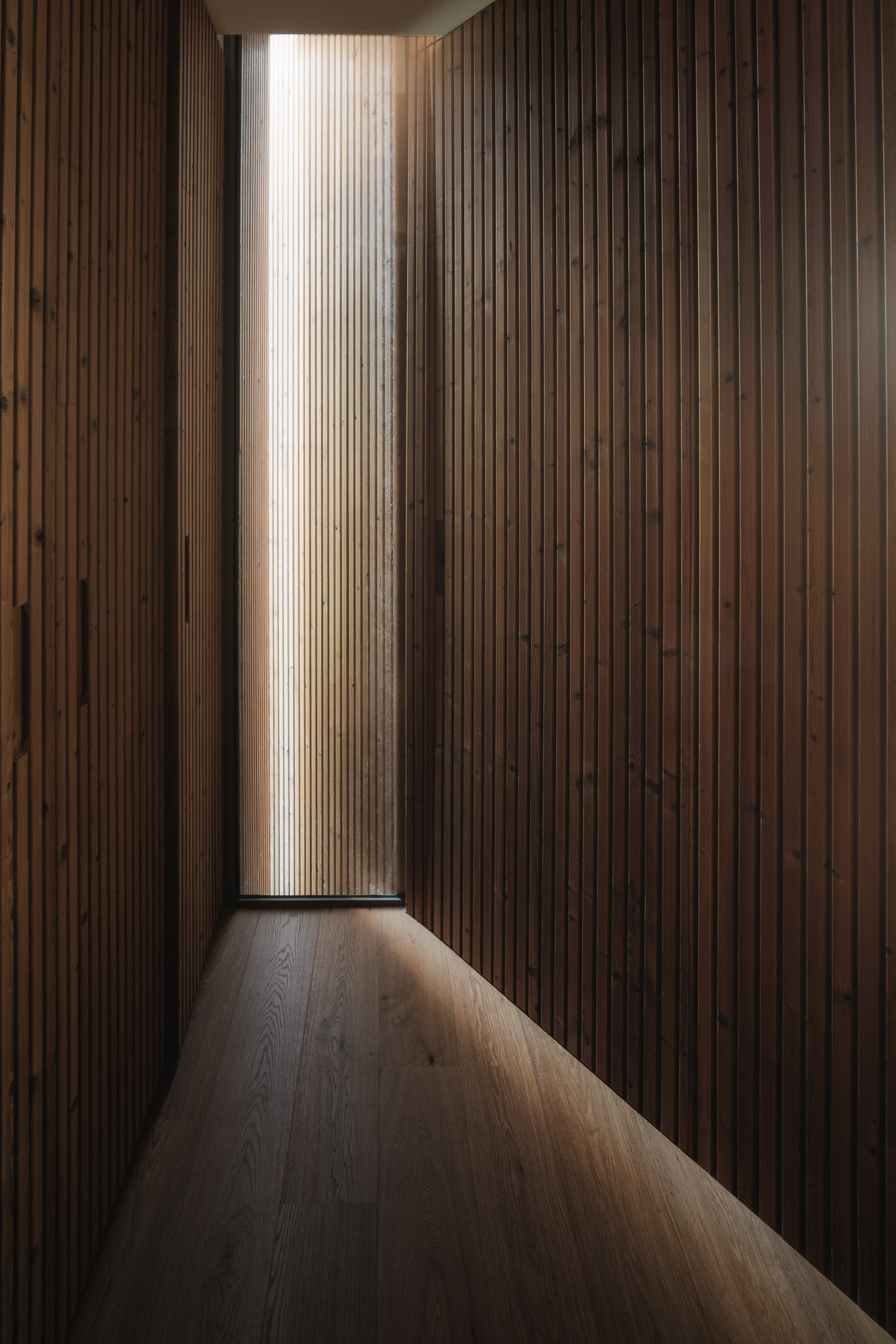
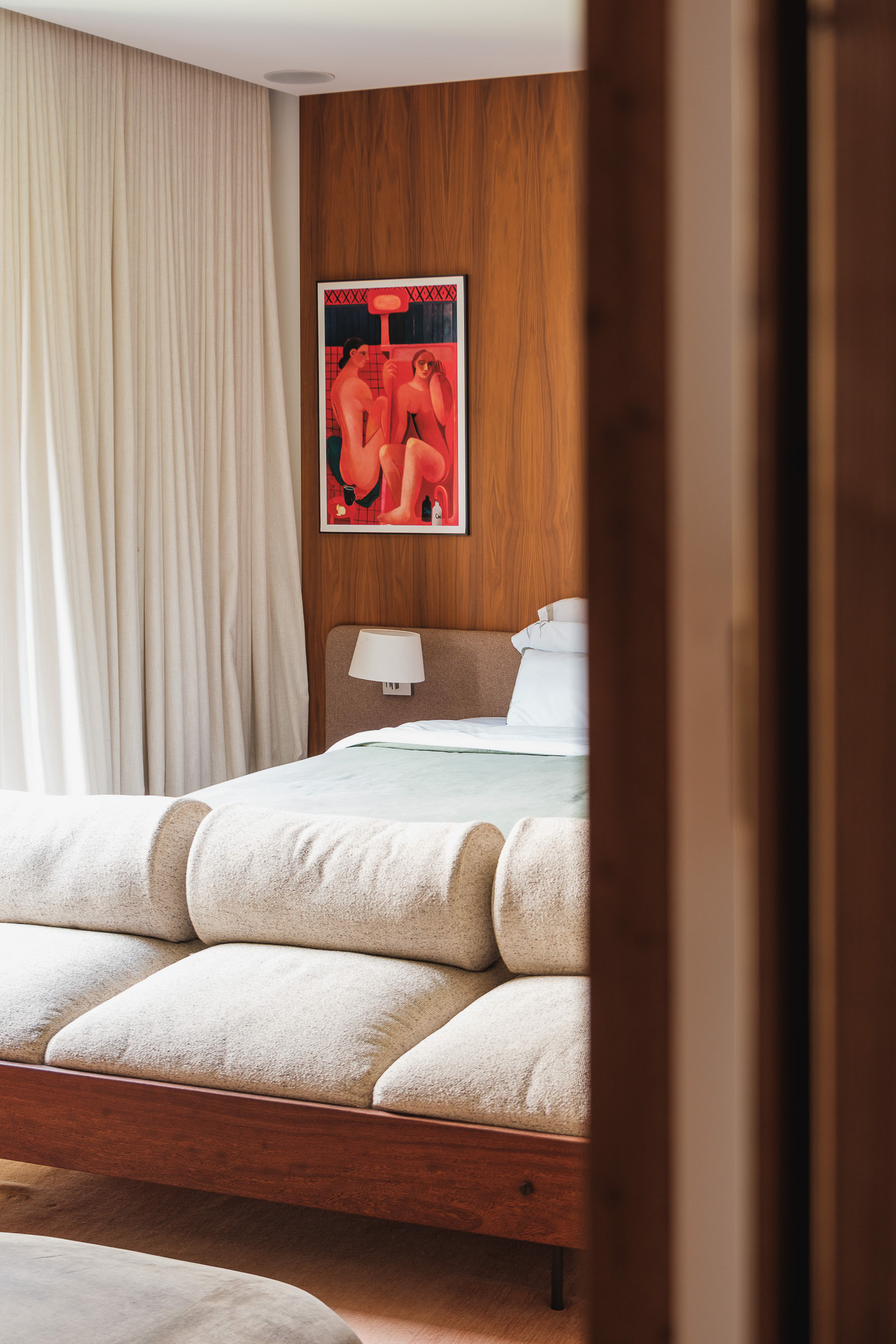
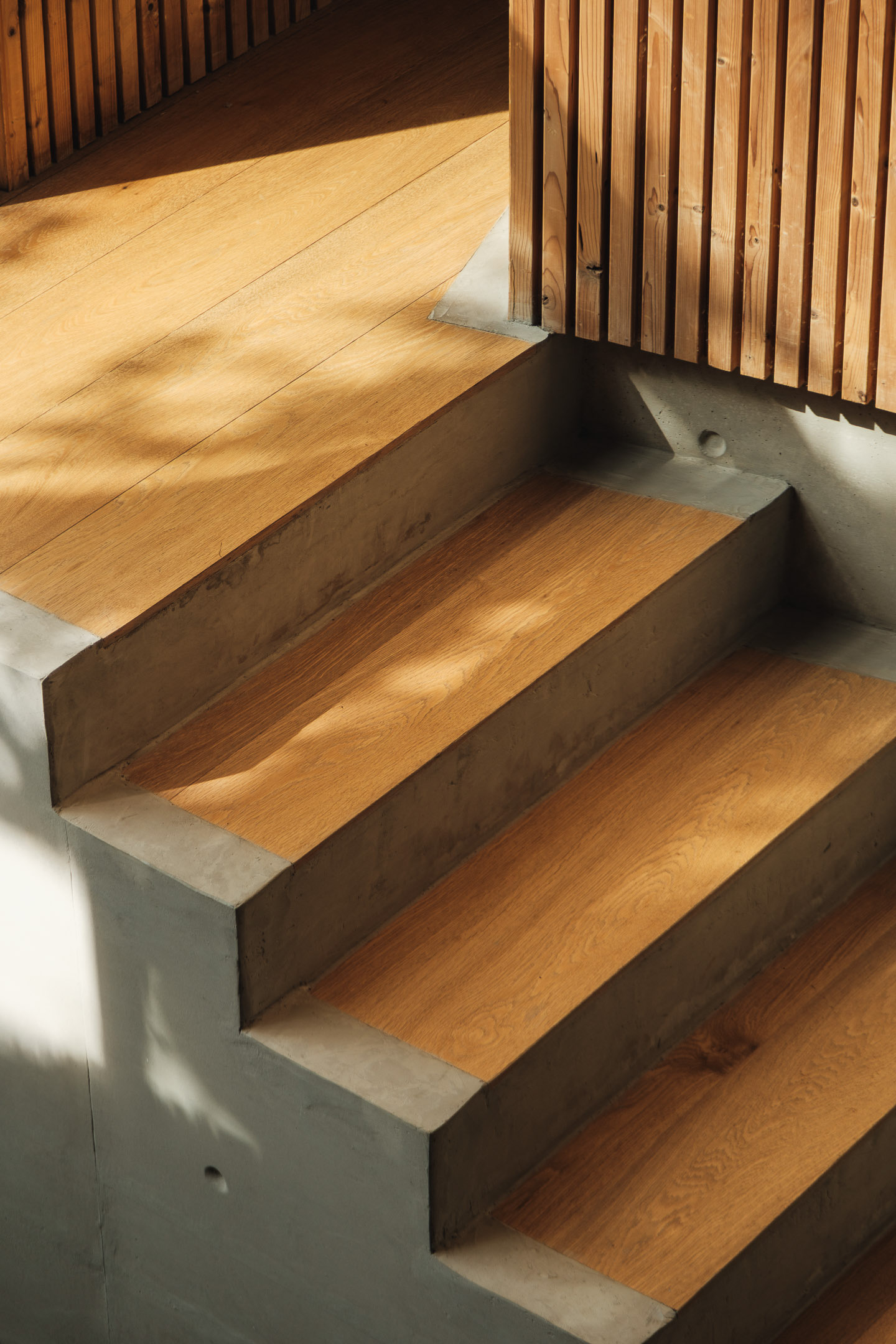
Back in the main volume of the house, the staircase leading to the “tree canopy, the upper flooR, is also located within the living room. Above the home theater, a guest bedroom remains separate from the family’s private quarters. To access them, a bridge crosses the double-height living space, creating an elevated path punctuated by openings between the volumes that allow views of the garden while moving through the house. Two smaller suites and the primary suite are arranged irregularly, generating interesting perspectives in what might otherwise have been a conventional corridor.
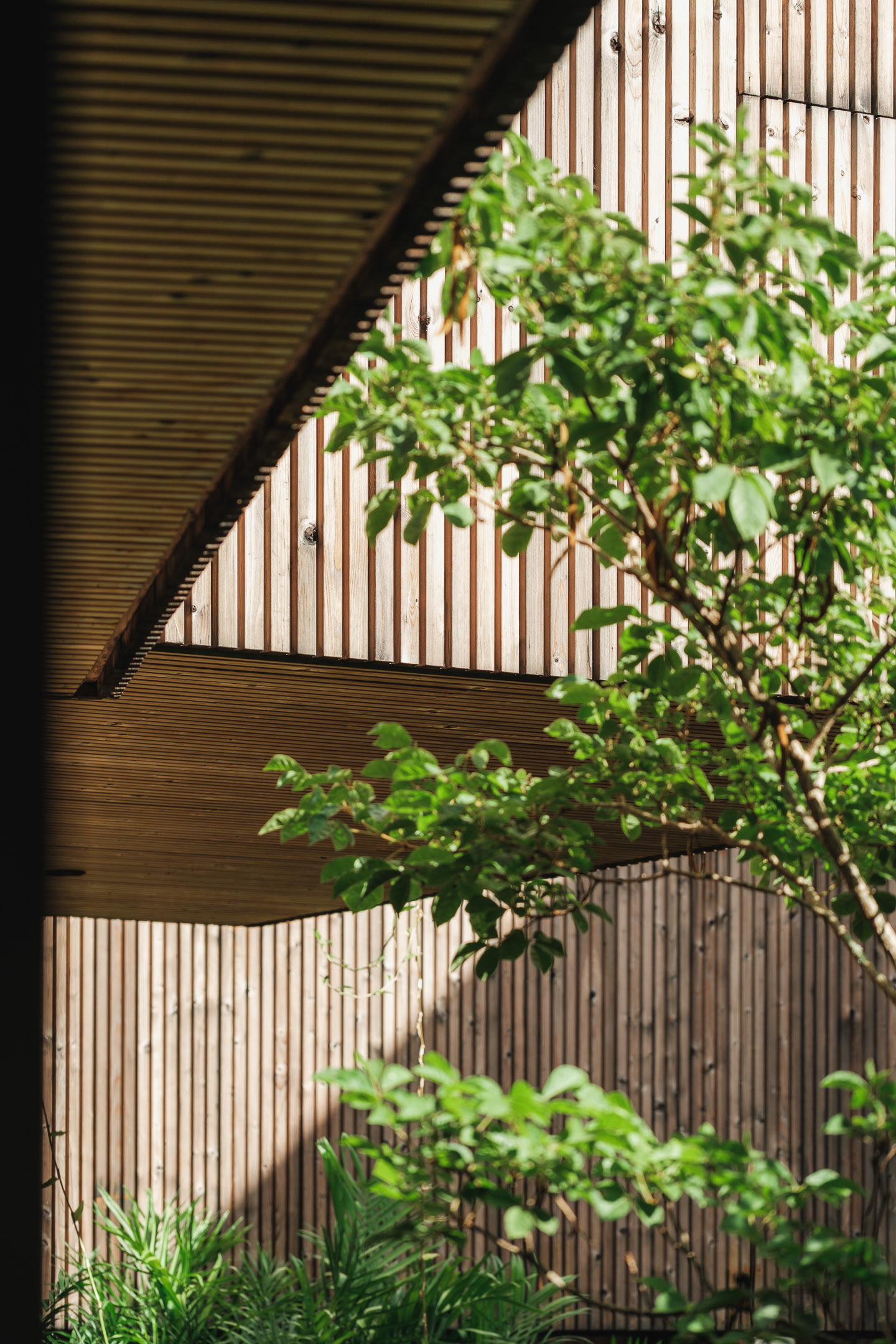
The house was built using a hybrid construction system. Along the right side and rear property boundaries, an exposed concrete wall serves simultaneously as structure, enclosure, and finish, tying together the house’s main spaces and circulation routes. A single large concrete slab is supported by this wall and by columns distributed across the ground floor in an apparently free arrangement. This slab, in turn, supports a lightweight steel-frame structure clad externally with natural wood.
The result is a house with a compact built area but remarkable spatial quality, achieved through its close relationship with the outdoor spaces. It is a light, informal home that constantly invites the gaze outward, as if it were barely there at all.