
ELOUNDA
HILLS 3.8
ELOUNDA - CRETE, GREECE
Project specifications
Site area - 11.072m²
Building area - 9.850m²
Project beginning - 2024
Construction completion - project
Building area - 9.850m²
Project beginning - 2024
Construction completion - project
Team
Authors - Fernando Forte, Lourenço Gimenes, Rodrigo Marcondes Ferraz
Managers - Daniel Paranhos
Coordinators - Thiago Brito
Contributors - Brunna Kronbauer, Jéssica Lessa, Leonardo Scherer, Monique Nogueira, Paula Bencke, Roberta Sá, Victor Lucena
Interns - Antonia Protassio, Mariana Sarto
Renders - Mobius
Real State developer - Mirum
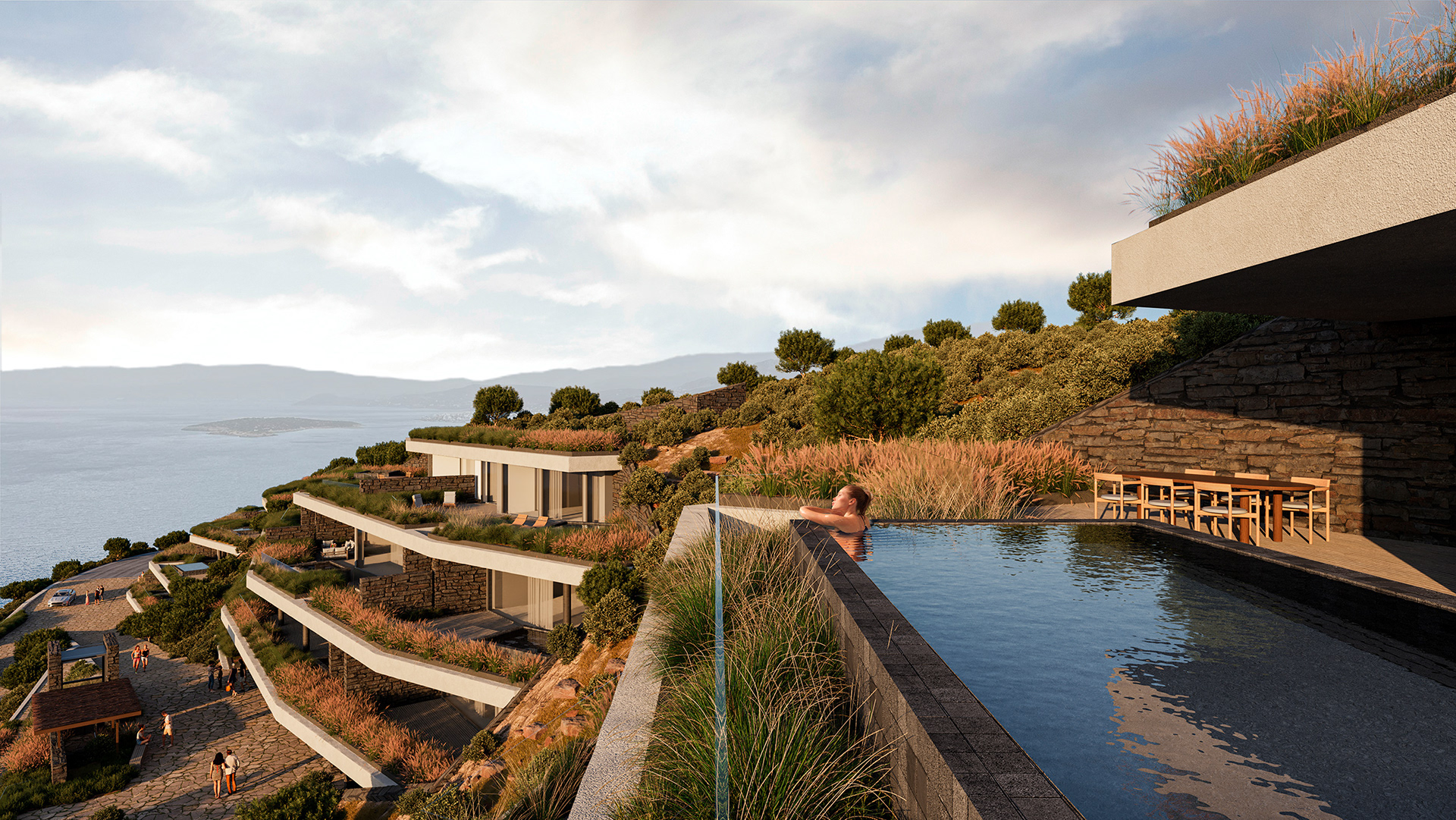
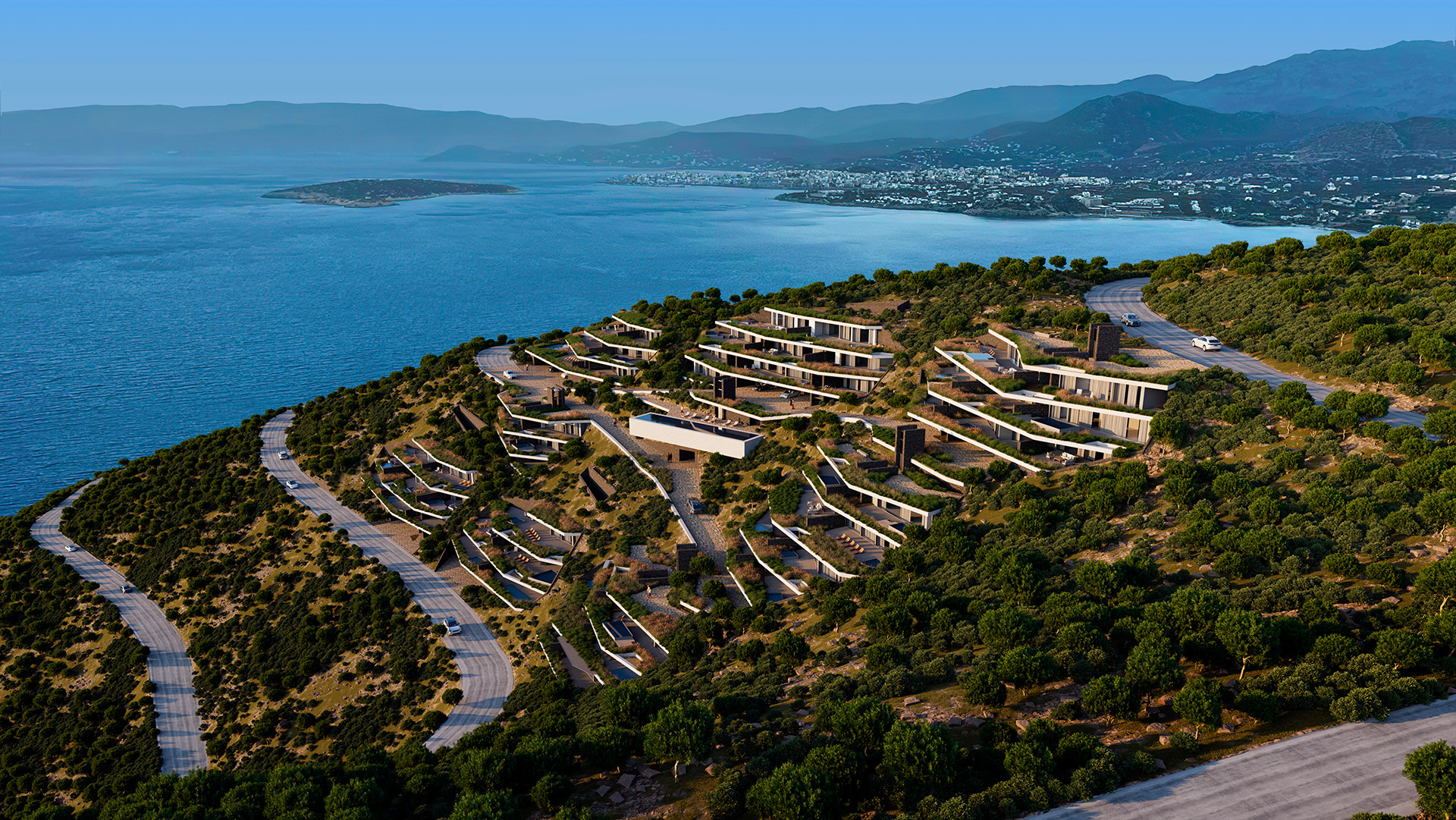
.On the steep slopes of Elounda, along the northern coast of the island of Crete, Greece, this apartment complex is inserted in a very particular way.
These are second-home apartments, with varied typologies, that take on the difficult task of adapting to an extremely rugged terrain.
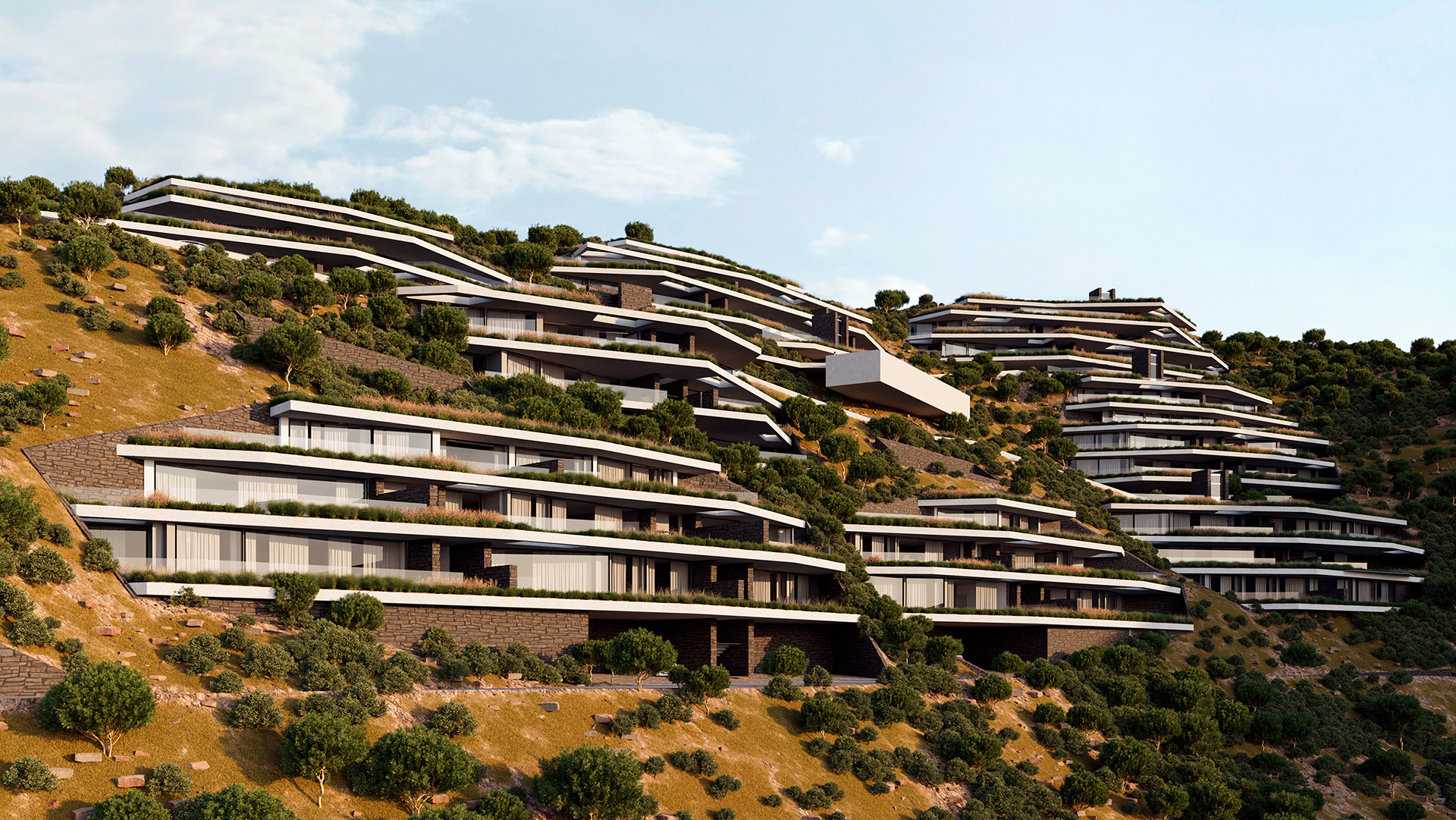
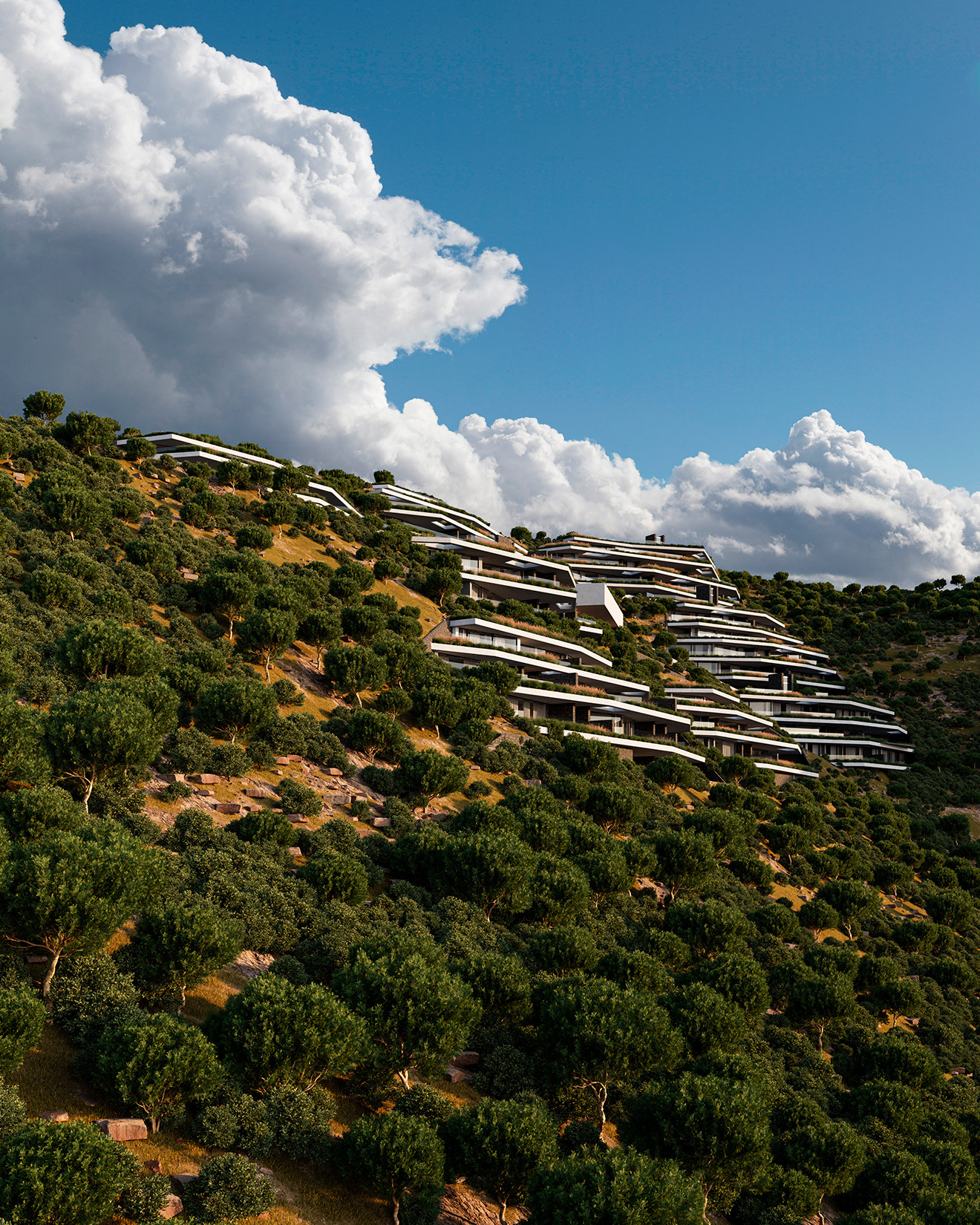
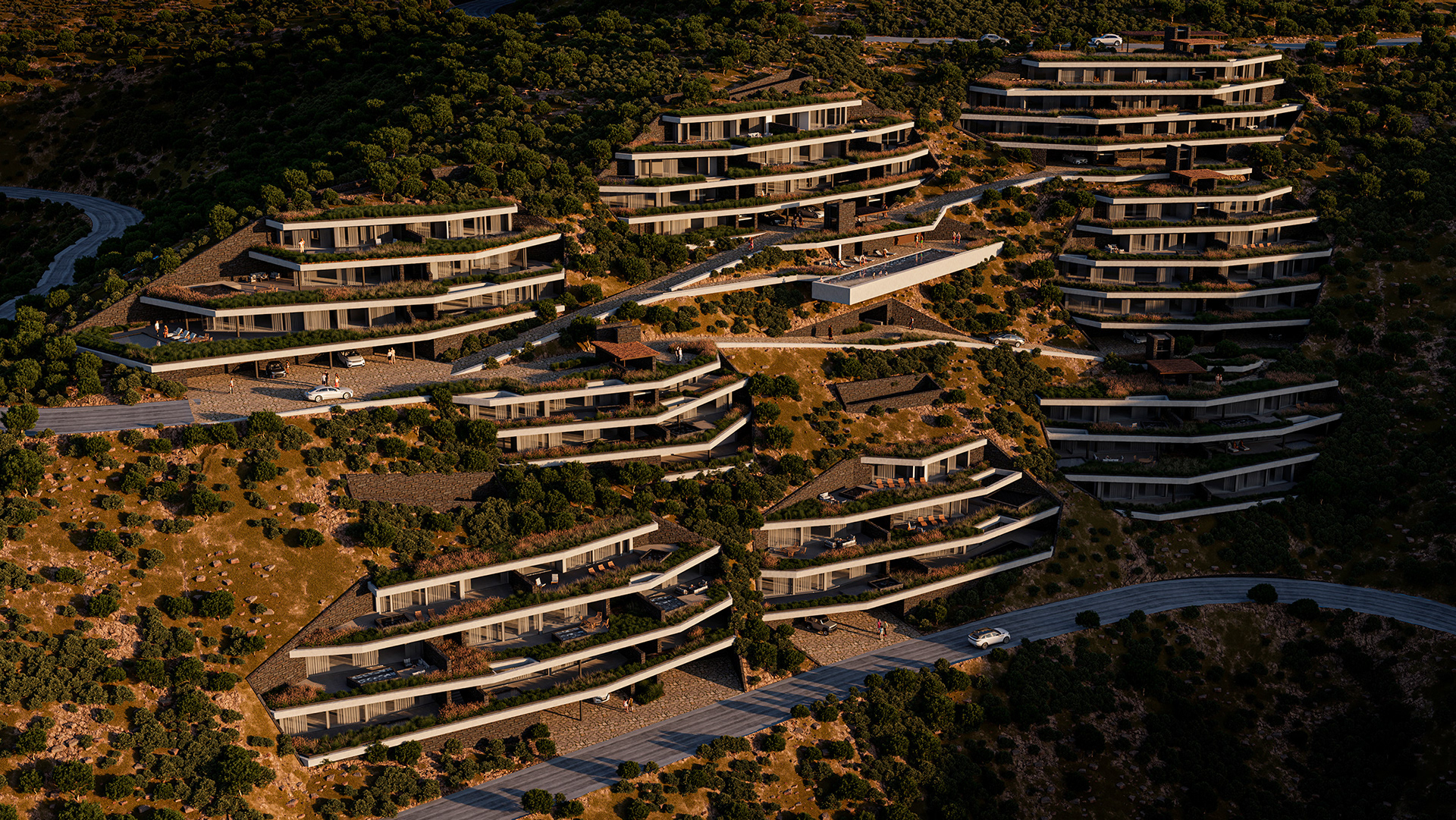
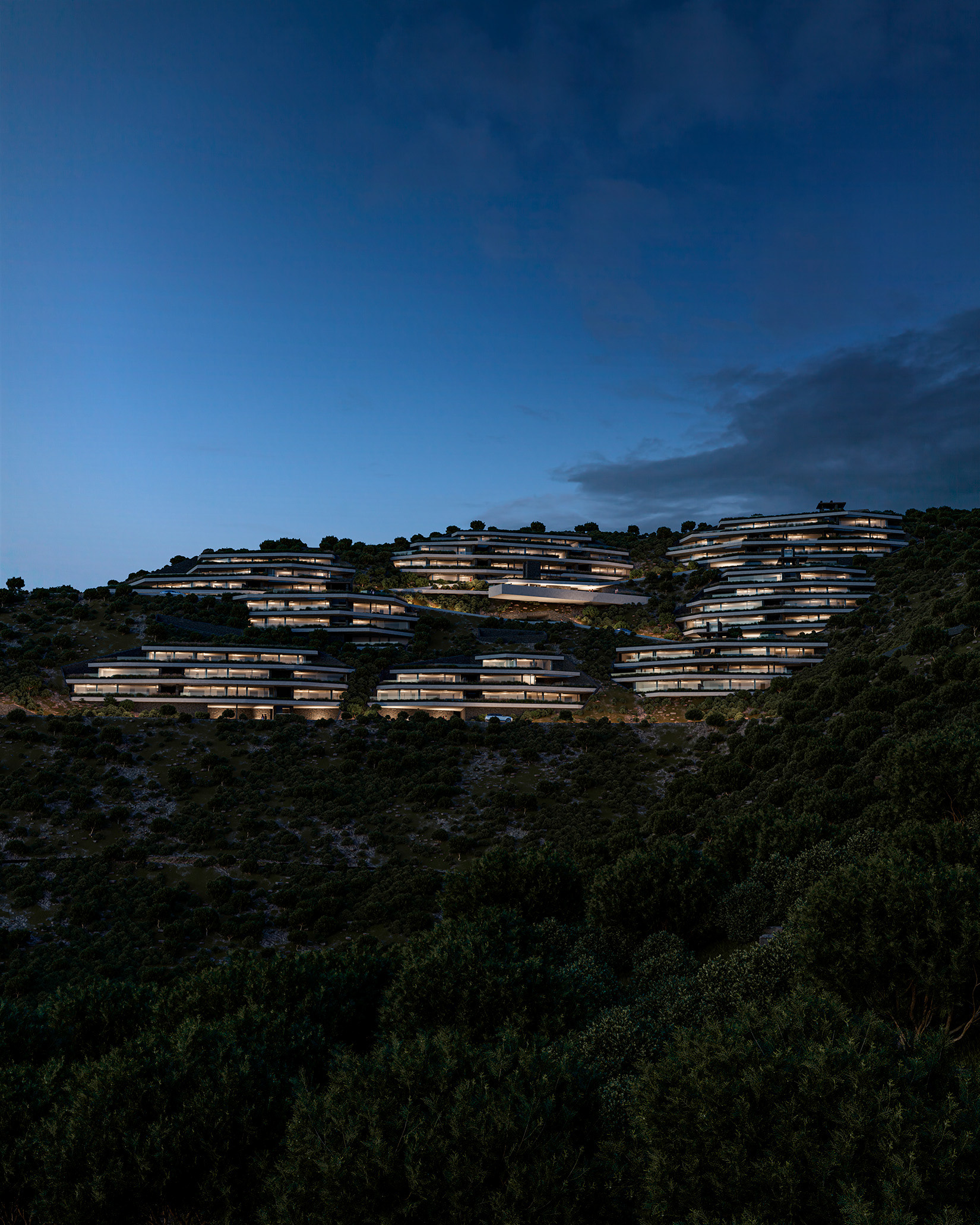
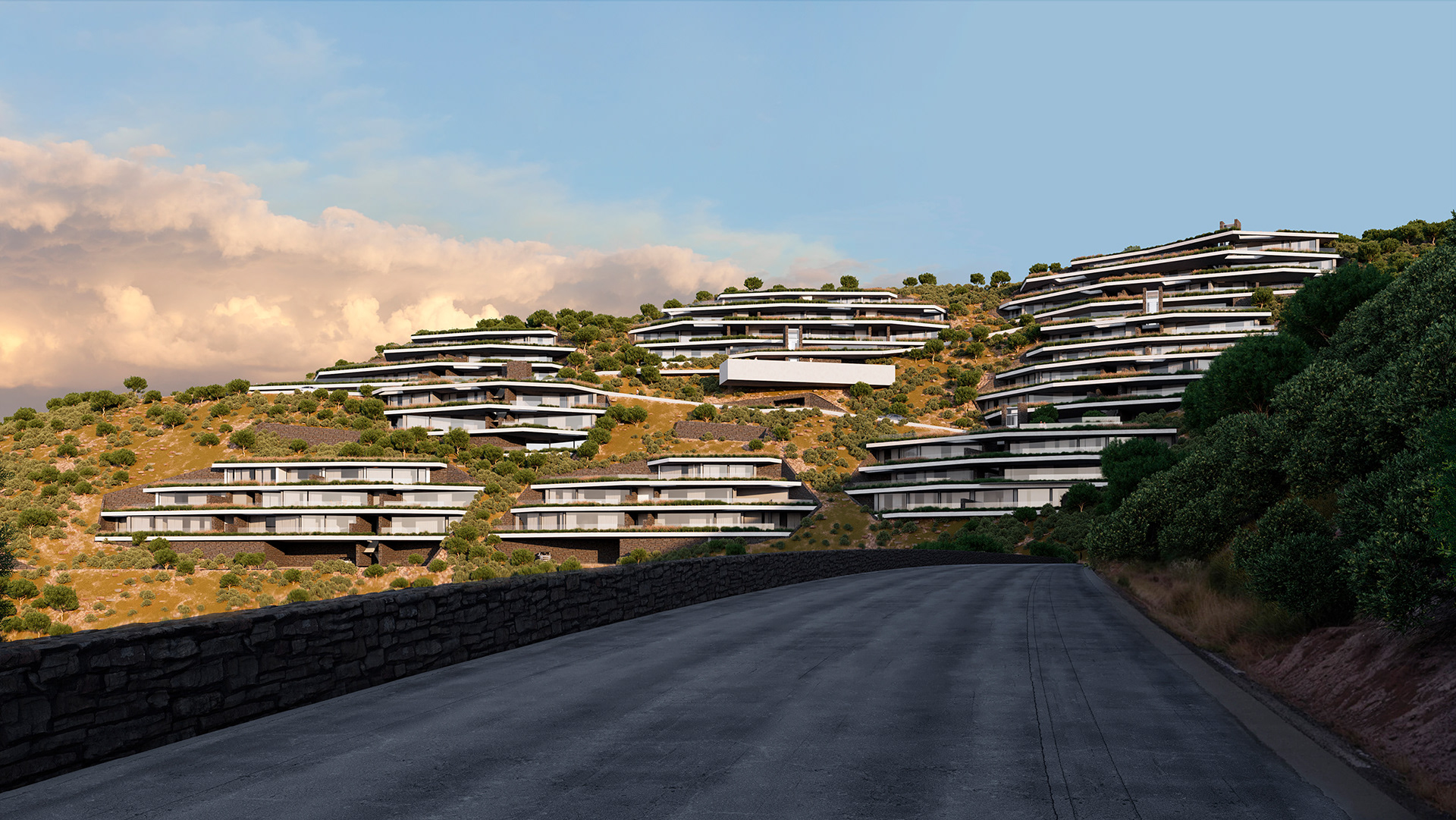
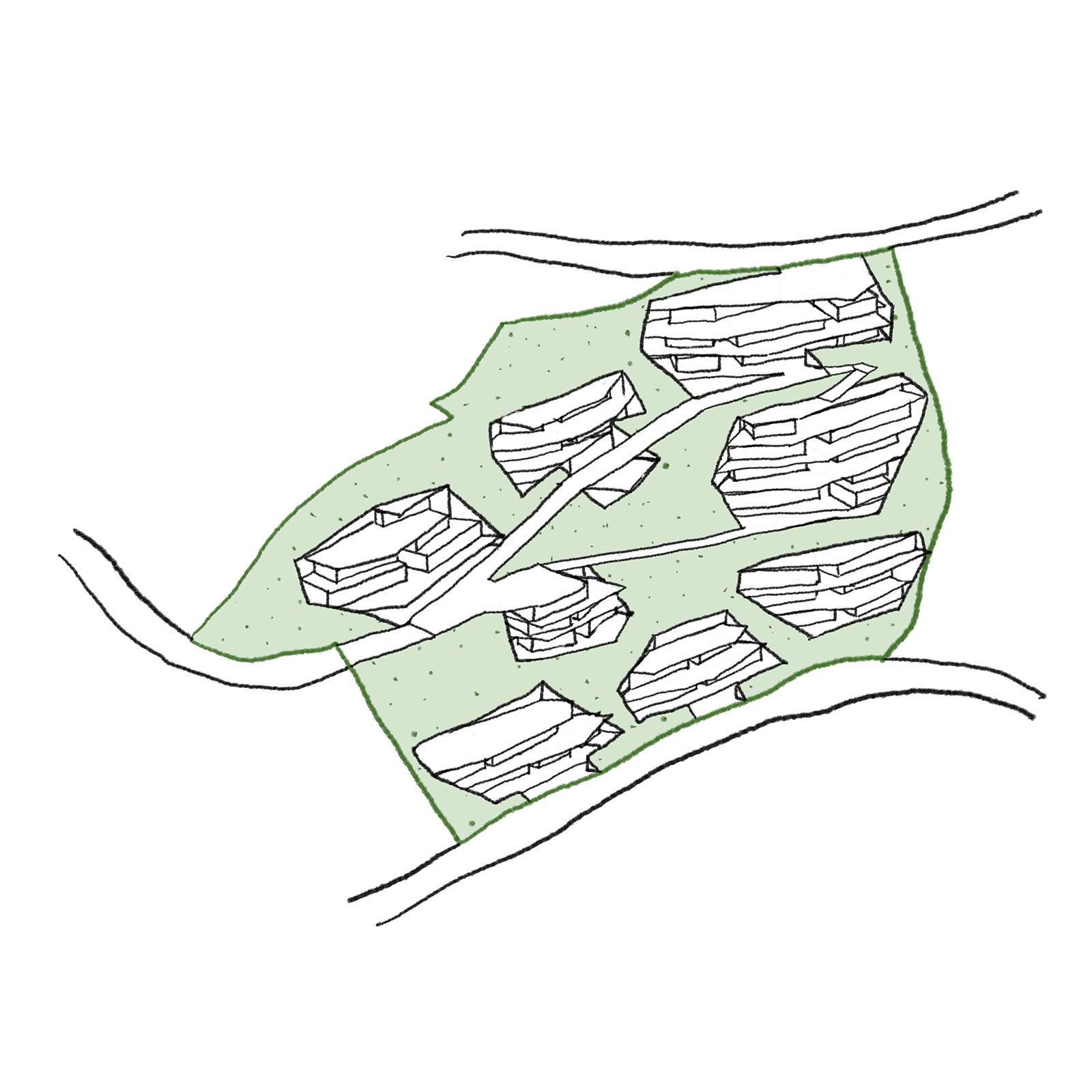
Seeking to avoid the construction of a single large building housing the 41 planned units, while also meeting the challenge of complying with the maximum building height of 10.75m, the main concept was to organize the apartments into separate clusters. Beyond establishing a gentler relationship with the site, this also provided a solution for the vertical circulation within each cluster.
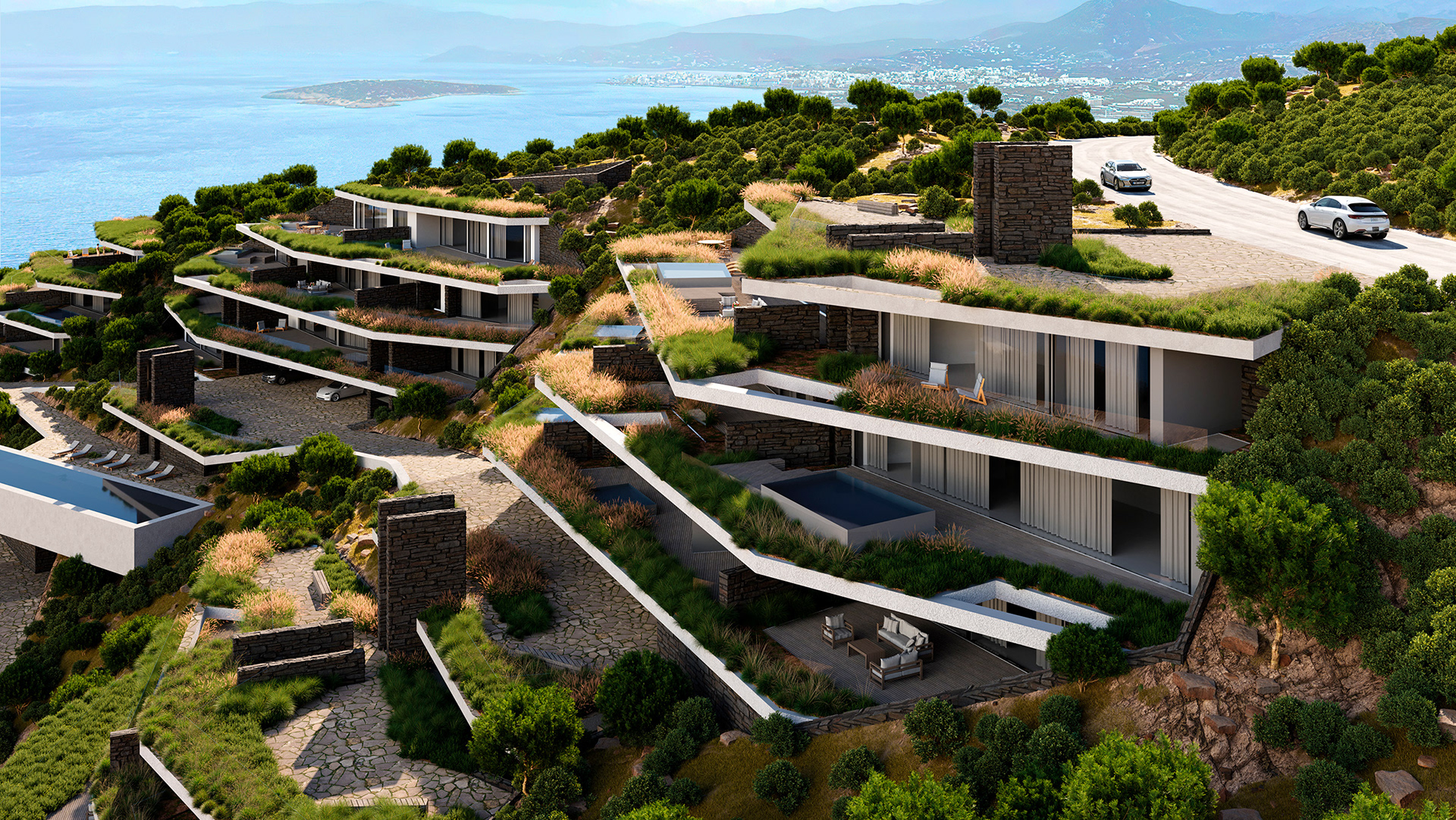
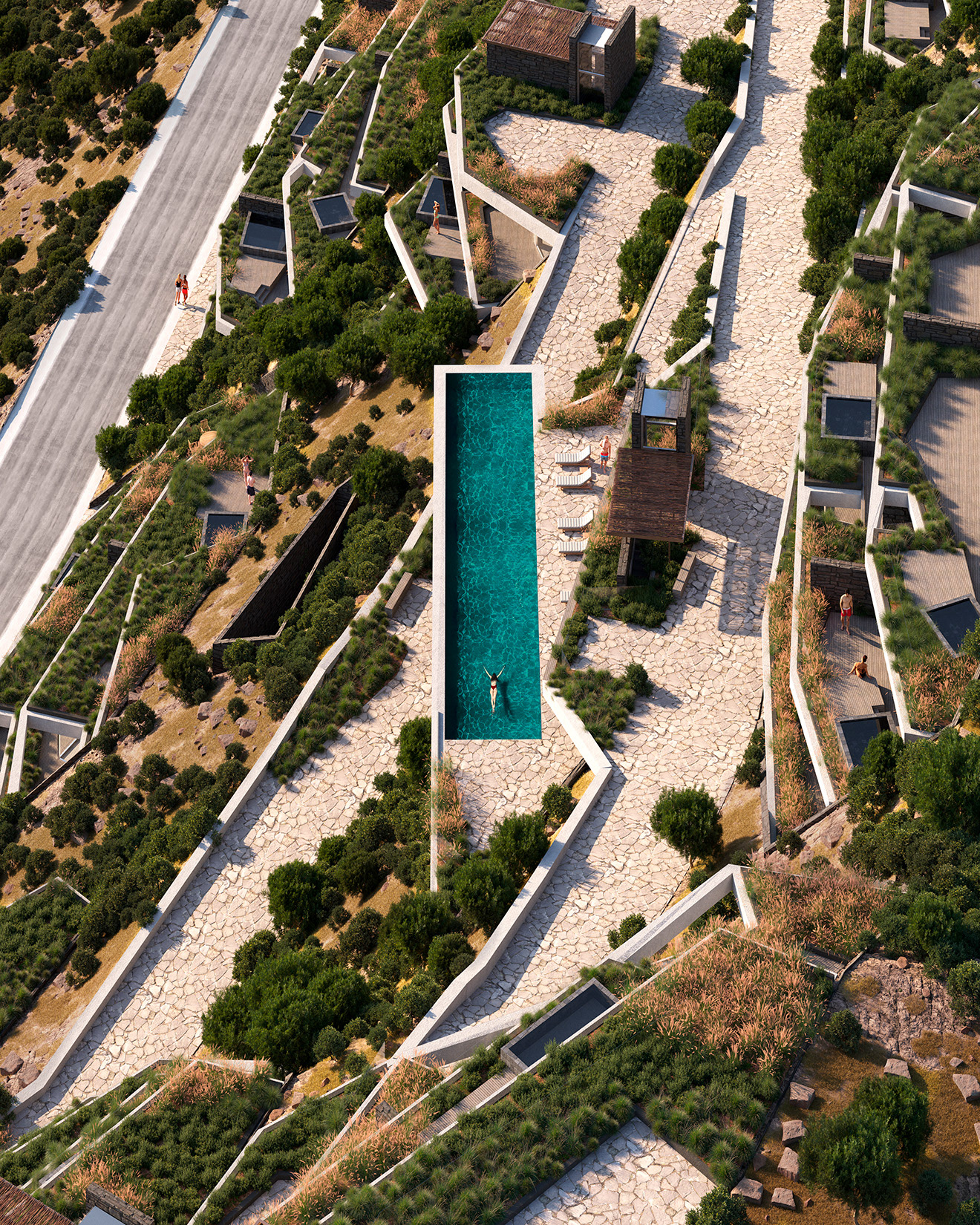
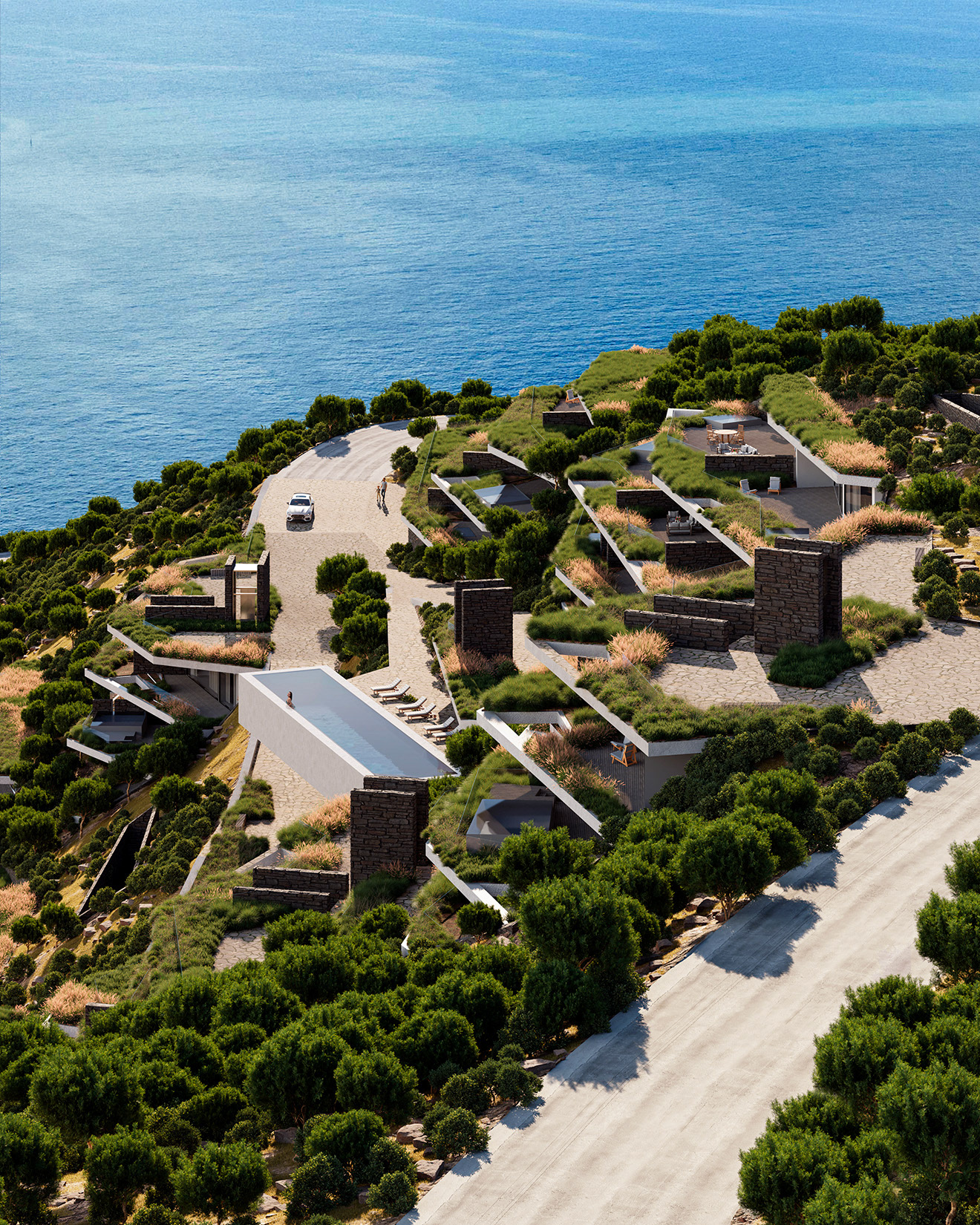
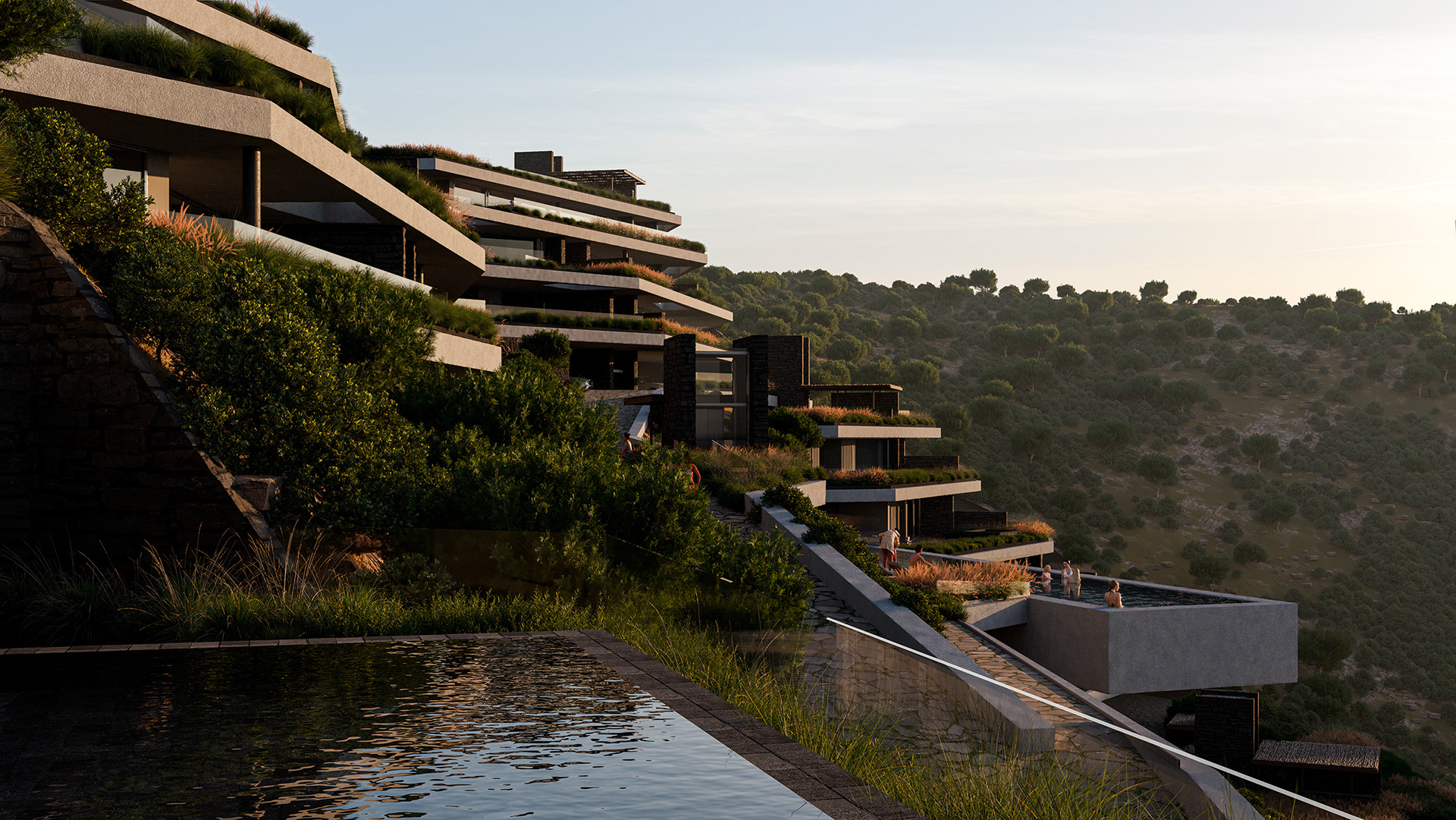
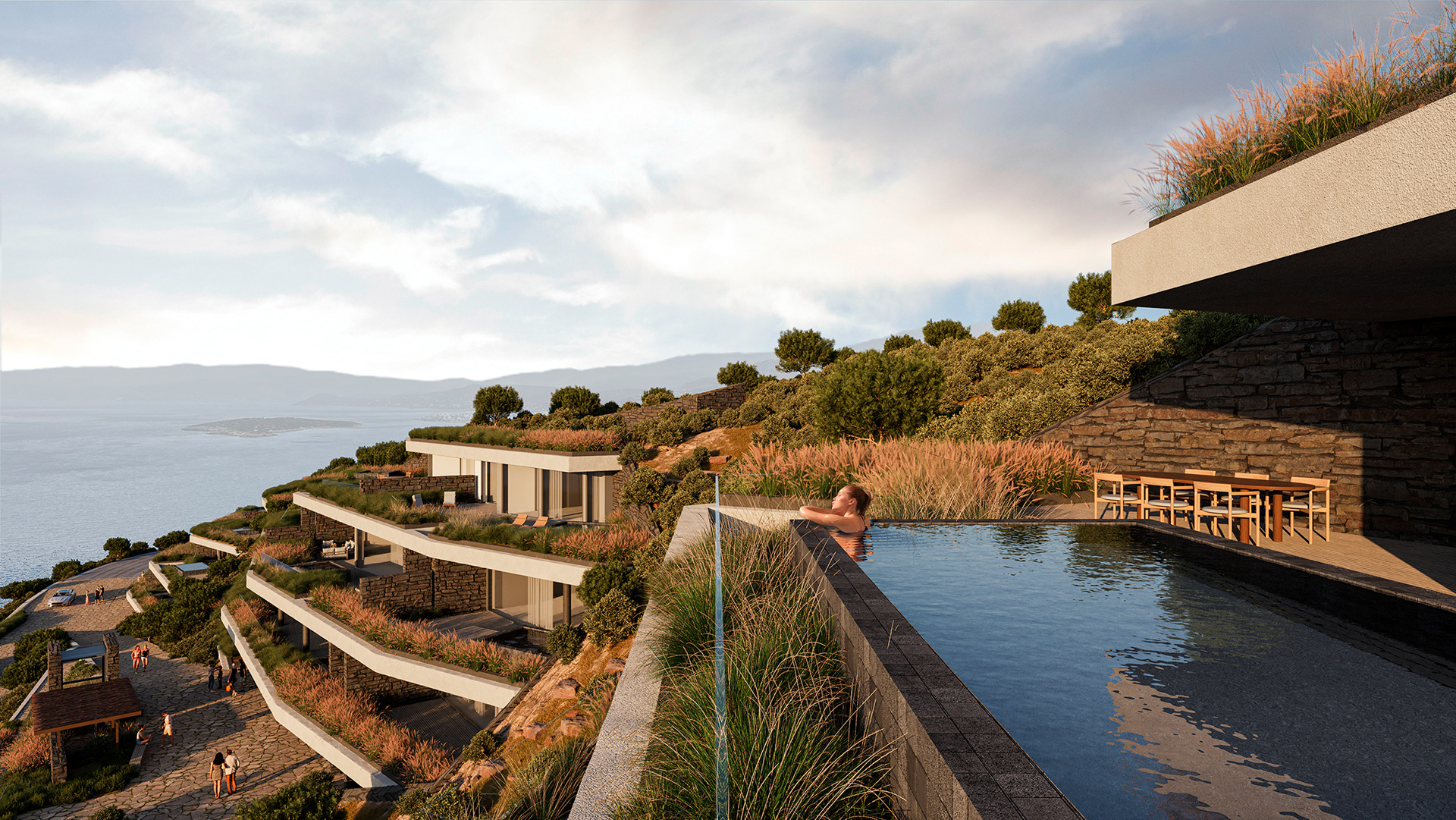
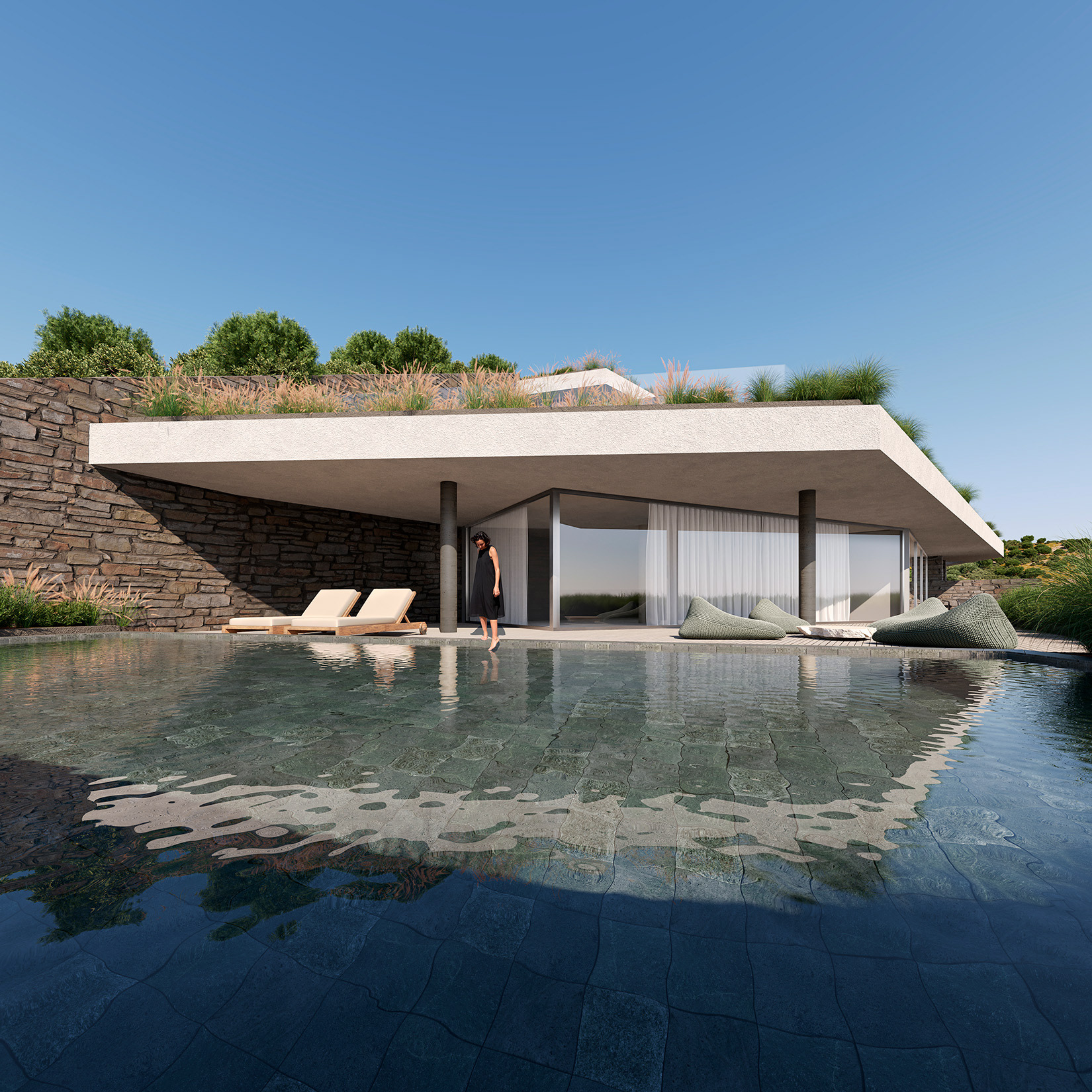
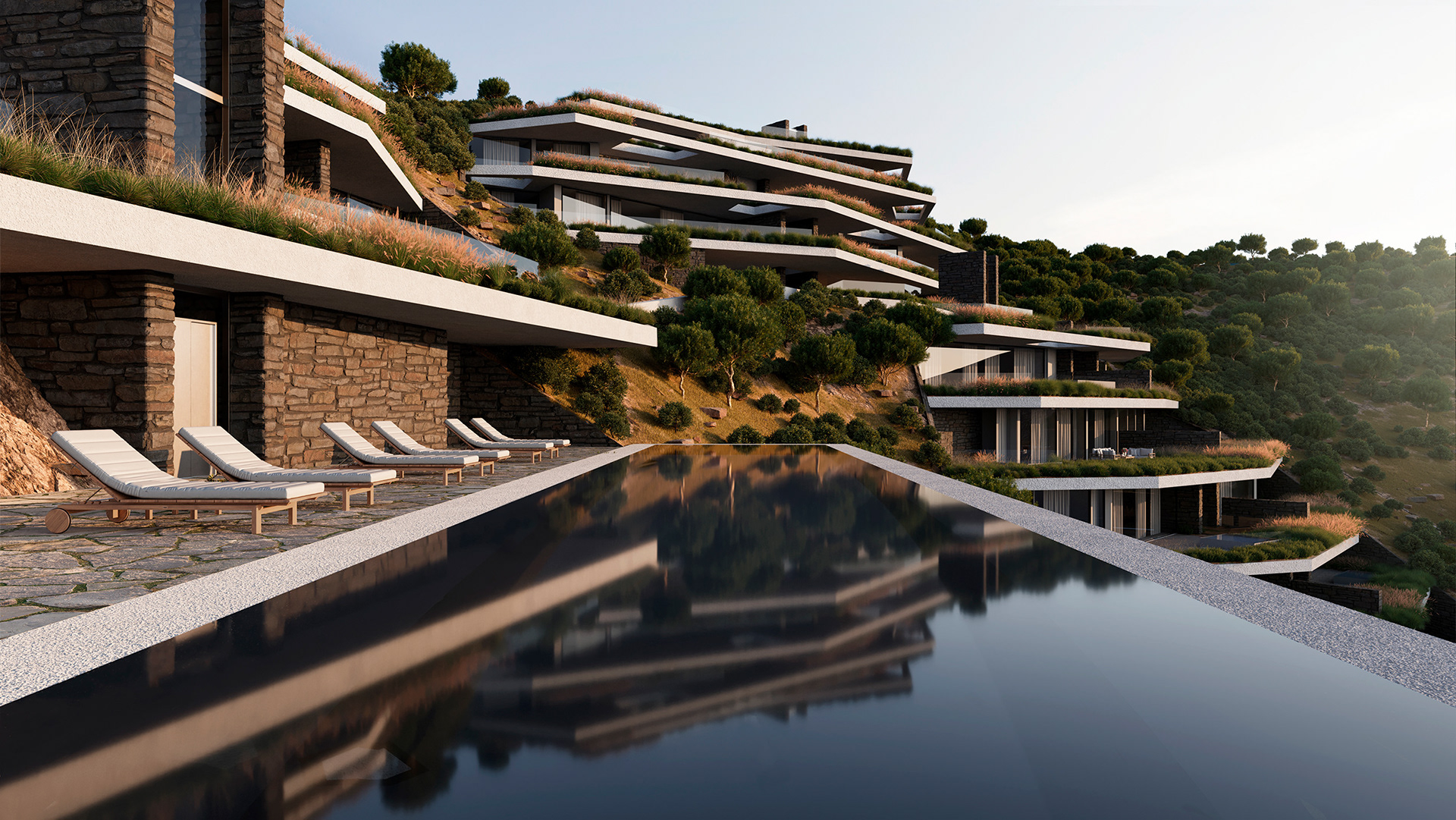
These eight independent clusters adapt to the topography in an efficient yet intriguing way: instead of treating each building as an object placed on top of the terrain, we chose to excavate and merge them into the rock. As if carved out with a giant “scoop,” each hollow created accommodates one cluster of apartments. The exposed rock, forming the rear boundary of the small buildings, becomes an integral part of the construction.
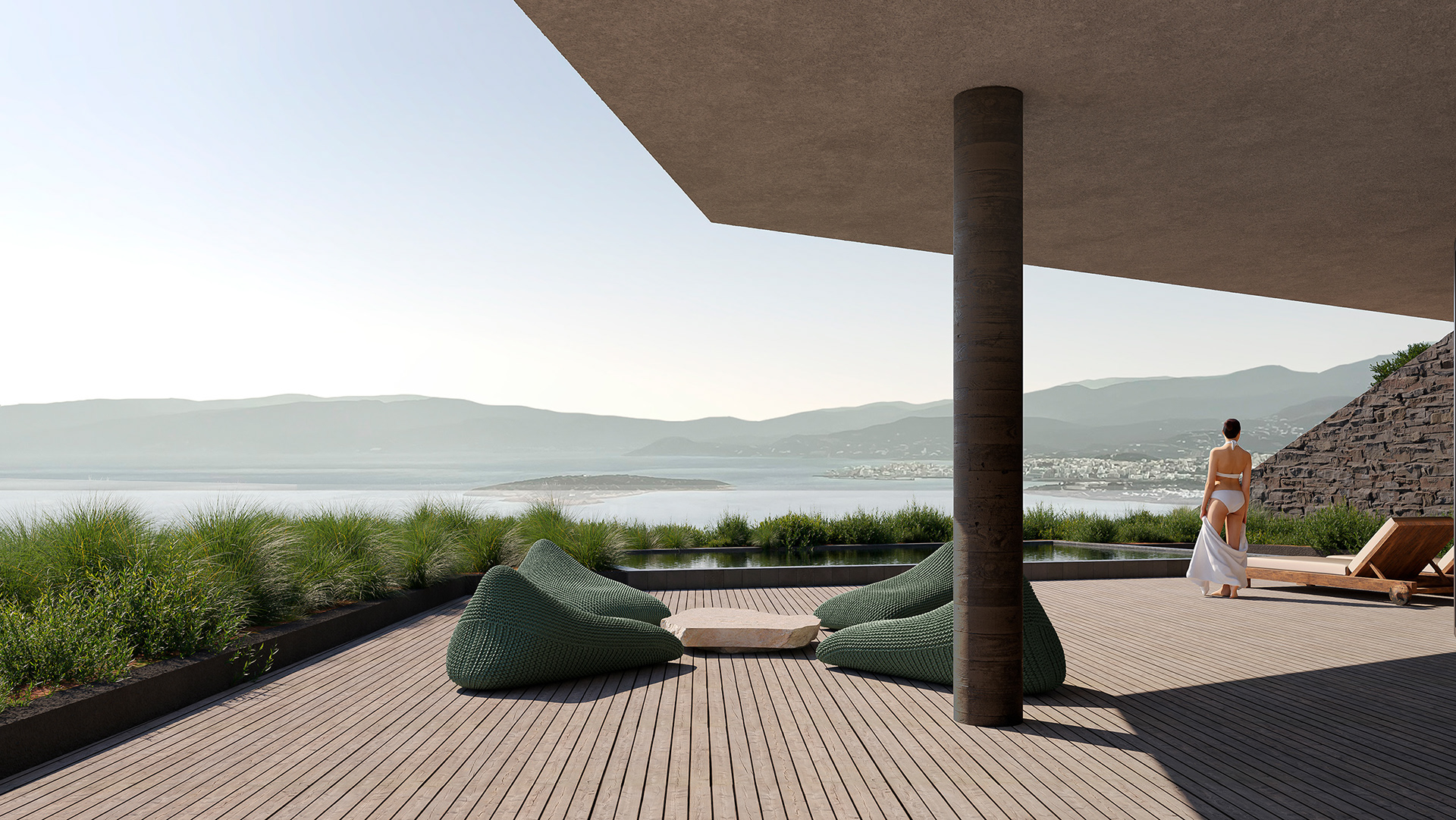
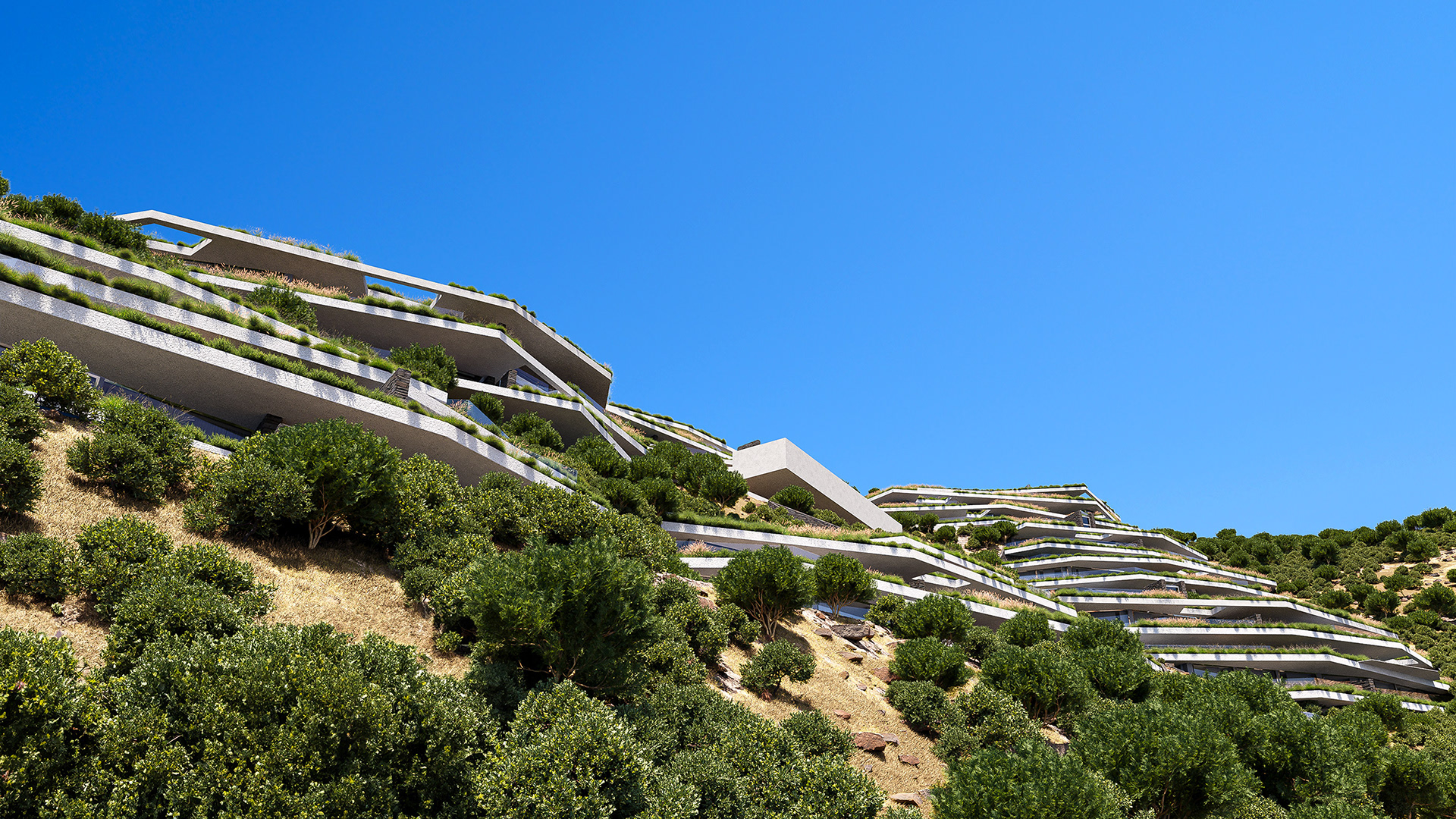
The inevitable misalignment between floors is expressed through freeform slabs that cover the lower level and create garden terraces for the upper one, allowing for large openings within the interiors and offering viewpoints for all units.
These flat, white elements adjust to each niche carved into the rock and are the main visible feature from the outside—yet, when seen from the apartments, they virtually disappear among the vegetation. Different in size, number, and shape, the slabs give each cluster its uniqueness while still belonging to the whole. Between them, the original terrain with its exposed stones and arid vegetation plays the same role as the excavated rock: building and landscape form an inseparable whole.